 By admin
 Unmasking the Silent Threat: 10 Colon Cancer Symptoms You Can’t Afford to Ignore
Colon cancer tragically claims thousands of lives annually, often because its earliest warnings are missed until the disease has progressed significantly. What might seem like minor digestive upset or unusual tiredness can, in fact, be critical signals of a serious underlying condition. These subtle clues are frequently brushed off as everyday annoyances or signs of aging, allowing the cancer to advance undetected. Yet, recognizing these hidden indicators early could be life-saving – and surprisingly, some don’t even manifest in your gut.
Why Colon Cancer Often Goes Unnoticed
The insidious nature of colon cancer lies in its slow, often pain-free development within the large intestine. In its nascent stages, it rarely presents dramatic symptoms, mimicking common, less serious issues like stress, dietary changes, or irritable bowel syndrome. This silent progression underscores the vital importance of awareness and regular screening. As emphasized by organizations like the American Cancer Society, early detection significantly improves treatment outcomes. Crucially, some of these warning signs can appear in unexpected ways, even affecting your skin or overall energy levels, making them easy to overlook as unrelated to your digestive health.
The 10 Silent Symptoms You Need to Watch For
Let’s break down the most commonly overlooked clues. While each symptom on its own might seem harmless, their persistent presence or combination warrants immediate attention.
- Persistent Changes in Bowel Habits
A noticeable and lasting shift in your bowel patterns – such as sudden diarrhea, constipation, or stools that are consistently narrower than usual – can be an early red flag. These changes, often dismissed as effects of diet or travel, can signal an alteration in how waste passes through the colon, as noted by institutions like the Mayo Clinic.
- Blood in the Stool or Rectal Bleeding
You might observe bright red streaks on toilet paper or notice stools that appear unusually dark. While often attributed to hemorrhoids, this bleeding can stem from polyps or tumors within the colon, a symptom highlighted by the Centers for Disease Control and Prevention (CDC) that requires medical evaluation.
- Ongoing Abdominal Discomfort
Persistent cramping, gas, or a dull ache in the belly that doesn’t subside can signal trouble. A tumor might cause partial blockages or inflammation, leading to this discomfort. Many individuals mistakenly attribute it to simple indigestion and ignore it for weeks.
- Feeling That Your Bowel Doesn’t Empty Completely
That lingering sensation of needing to pass more stool, even after using the bathroom, can be more than just annoying. It might indicate an obstruction affecting normal bowel function. Studies suggest this symptom appears in many early cases but is often dismissed as a normal part of aging.
- Narrower-Than-Normal Stools
If your stools suddenly become consistently pencil-thin, it could be a sign of narrowing in the colon. The Mayo Clinic lists this as a classic, yet frequently overlooked, indicator that warrants discussion with a doctor.
- Unexplained Weight Loss
Losing weight without any changes to your diet or exercise routine is never normal. The CDC connects this to the body’s increased energy expenditure fighting abnormal cells or a reduced appetite caused by discomfort.
- Chronic Fatigue or Weakness
Feeling unusually tired or weak, even after adequate sleep, often points to slow, internal blood loss within the colon. The American Cancer Society notes that many people endure this for months before understanding its underlying cause.
- Iron-Deficiency Anemia
Low iron levels, detectable through blood tests, can manifest as pale skin, shortness of breath, and increased fatigue. This condition develops gradually from hidden bleeding and is often one of the first clues doctors identify during routine checkups.
- Persistent Bloating or Excess Gas
Ongoing abdominal swelling or trapped gas that doesn’t improve with dietary adjustments could be related to changes inside the intestine. While common in many conditions, persistent bloating combined with other symptoms deserves careful attention.
- Unusual Skin Changes
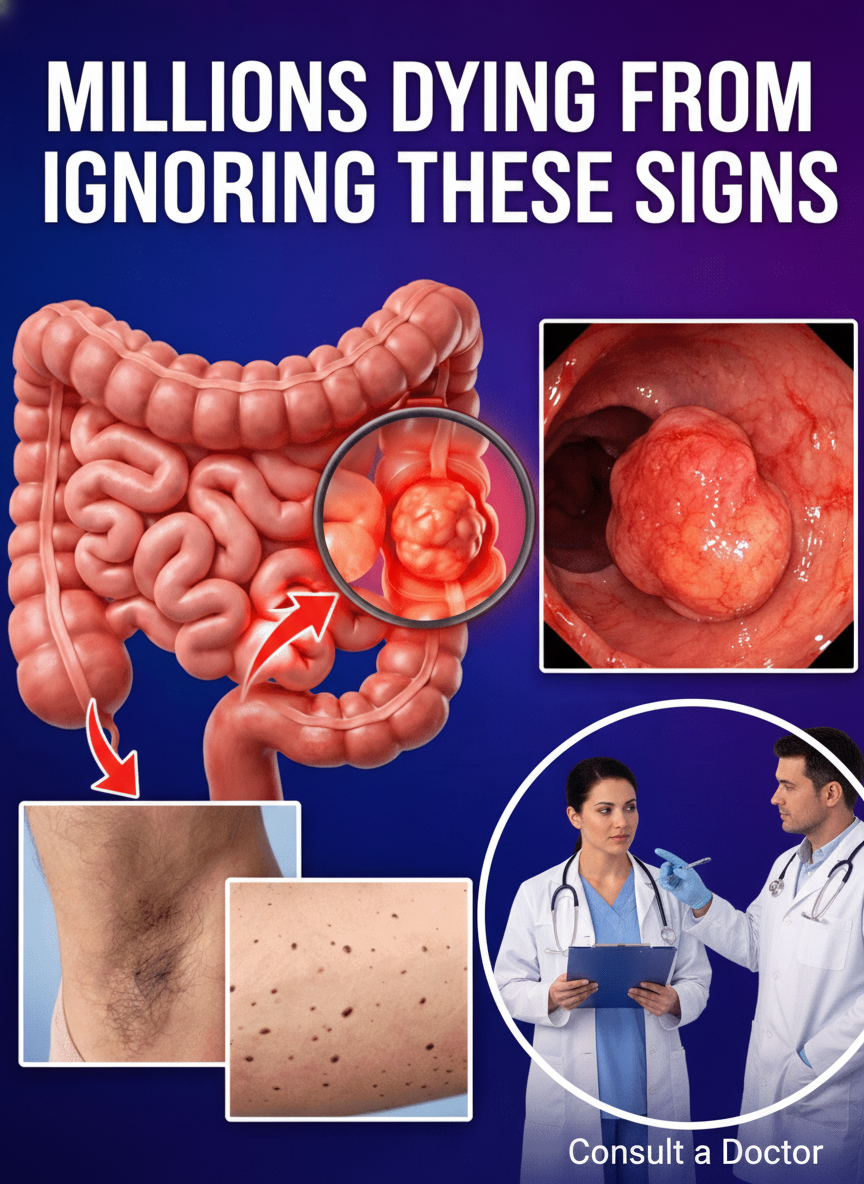
In rare instances, colon cancer can be linked to specific skin clues. These include darkening, velvety patches in body folds like the armpits or neck (known as acanthosis nigricans), or the sudden appearance of new skin growths or moles. Medical literature, including reports from the Mayo Clinic, indicates these paraneoplastic signs can sometimes emerge even before digestive symptoms become apparent.
It’s crucial to remember that these symptoms rarely appear in isolation. Their combination, or any persistent, unexplained change in your health, should prompt a visit to your doctor. Early detection truly makes a life-saving difference.