 By admin
 Unmasking the Baking Soda and Lemon Teeth Whitening Trend: Risks vs. Rewards
A radiant, brighter smile is a common aspiration, yet many individuals find themselves concerned about tooth discoloration caused by daily habits like consuming coffee, tea, or certain foods. The appearance of yellowish or dull teeth can significantly impact self-confidence, leading to reluctance in social interactions or photographs. While numerous professional dental whitening solutions are available, a growing number of people seek accessible, at-home methods using common kitchen ingredients to achieve a cleaner, more vibrant smile. Could a widely discussed combination offer a viable pathway to tackle surface stains within your regular oral hygiene routine? This article delves into a popular DIY method, exploring its purported mechanisms, crucial precautions, and evidence-based practices for preserving optimal dental health and a naturally brilliant smile.
Understanding Tooth Discoloration and Surface Stains
Tooth discoloration primarily stems from extrinsic stains that accumulate on the outer enamel layer, as opposed to intrinsic changes deep within the tooth structure. Common culprits for these surface stains include heavily pigmented foods, dark beverages such as coffee and tea, and tobacco use. Over time, these substances can gradually build up, diminishing the natural brightness of your teeth. Scientific studies suggest that certain mild abrasives can effectively polish away some of this surface accumulation when applied judiciously. Nevertheless, it’s vital to remember that tooth enamel is irreplaceable; once eroded, it cannot regenerate. Consequently, any at-home stain removal strategy must be approached with extreme caution to prevent adverse effects like heightened tooth sensitivity or irreversible damage. A critical point often overlooked is that not all widely circulated home remedies are gentle or safe for your dental health. Let’s now examine a particularly prevalent combination.
The Widespread Baking Soda and Lemon Combination: An Overview
One frequently discussed DIY teeth whitening method involves creating a paste by combining baking soda (scientifically known as sodium bicarbonate) with freshly squeezed lemon juice. Individuals typically apply this mixture to their teeth for a short duration, anticipating a noticeable polishing and brightening effect.
Why This Combination Garners Attention
Many proponents believe baking soda serves as a gentle abrasive, capable of physically scrubbing away superficial stains, much like its role in some commercial toothpastes. Lemon juice, on the other hand, is valued for its inherent acidity and natural compounds, which some users believe contribute to a temporary perception of whiter teeth. Research, including in vitro studies comparing various natural agents, has indeed indicated that baking soda can induce measurable changes in tooth surface color over short periods. Similarly, certain laboratory reports have observed that repeated applications of lemon juice can lead to visible alterations in tooth shade. However, despite these individual findings suggesting a potential for stain reduction from each ingredient, their combined use introduces significant concerns regarding their overall balance and safety for dental enamel.
Perceived Benefits and Why People Try It
Individually, both baking soda and lemon juice have been subjects of discussion regarding their potential for stain removal.
- Baking Soda’s Role: Extensive literature reviews have consistently highlighted baking soda’s efficacy in removing extrinsic tooth stains. When incorporated into properly formulated dental products, it has been shown to achieve this without causing undue damage. Its mild abrasive quality helps gently polish the tooth surface.
- Lemon Juice’s Role: The citric acid present in lemon juice has demonstrated an ability to break down certain organic stains in controlled laboratory settings. Short-term experiments have even recorded measurable changes in color metrics (such as ΔE values) following its application.
When these two ingredients are combined, users often report several immediate sensations:
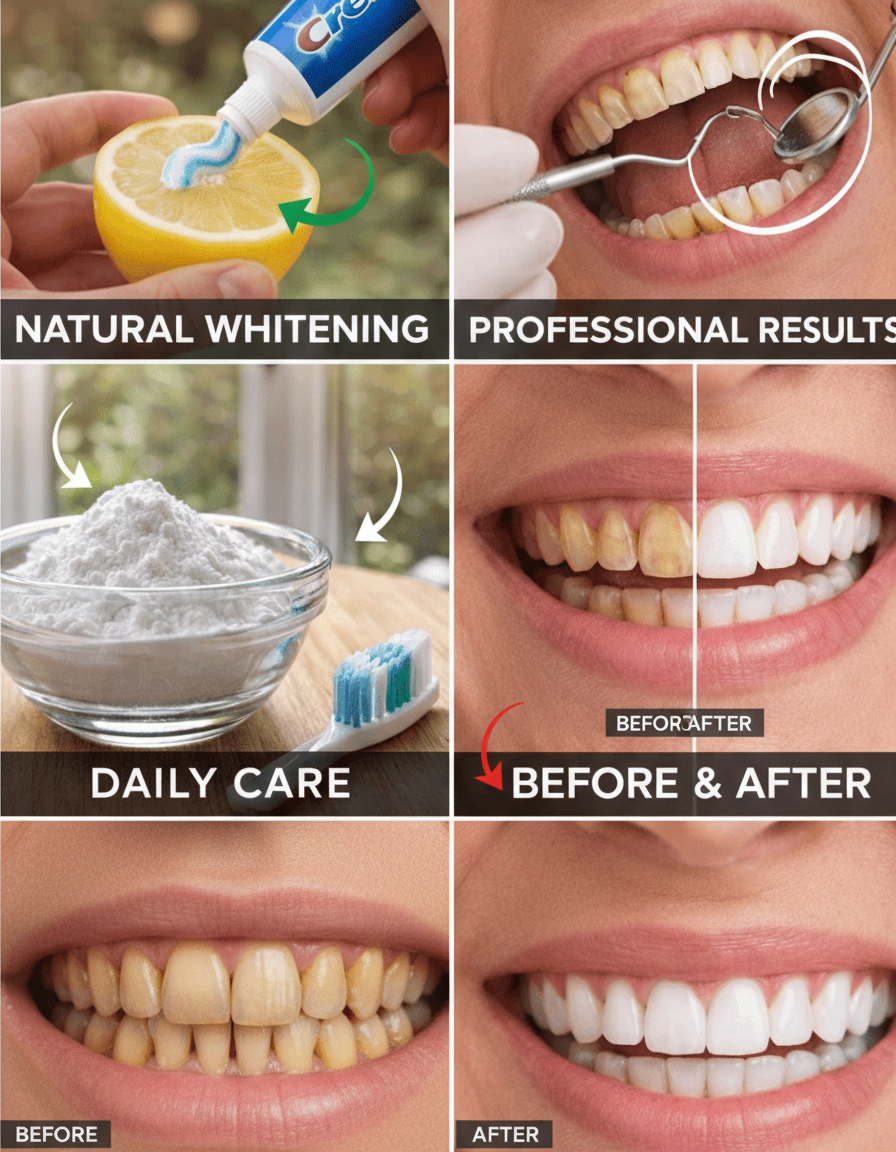
- The gentle abrasive action of baking soda appears to effectively dislodge surface debris and stains.
- A slight fizzing sensation is often noted, which many interpret as a cleansing action.
- Anecdotal evidence frequently describes teeth feeling remarkably smoother and appearing visibly cleaner after infrequent application, aligning with the concept that light polishing can enhance a tooth’s fresh appearance.
Critical Risks and the Imperative for Caution
This is arguably the most crucial section, as the acidity of lemon juice presents significant dental health risks. Leading dental authorities, including the American Dental Association (ADA), issue strong warnings against extended or frequent exposure to highly acidic substances like citrus fruits. Such exposure can gradually soften and ultimately erode tooth enamel over time, a process known as enamel erosion.
The detrimental consequences of enamel erosion include:
- Heightened Tooth Sensitivity: As enamel thins, the underlying dentin becomes more exposed, leading to increased sensitivity to hot, cold, or sweet stimuli.
- Elevated Risk of Future Staining: With less enamel protecting the tooth, the yellowish dentin beneath becomes more apparent, paradoxically making teeth appear duller and more susceptible to new stains.
- Potential for Discomfort and Long-Term Dental Problems: Enamel loss is irreversible and can lead to more serious issues requiring professional dental intervention.
Furthermore, while baking soda is considered a mild abrasive, its abrasive properties can exacerbate enamel wear, particularly when combined with acid-softened enamel and used excessively. Numerous dental health resources underscore that homemade remedies involving lemon juice frequently cause more harm than benefit to long-term enamel integrity. Unlike commercially available whitening toothpastes, which are meticulously formulated with precisely controlled pH levels and abrasive properties, DIY concoctions entirely lack such scientific precision and safety engineering. The uncomfortable reality is that any immediate “shine” or perceived brightness from these mixtures often comes at the severe expense of your teeth’s enduring strength and health.
Safe and Effective Alternatives for a Brighter Smile
Rather than jeopardizing your precious tooth enamel with potentially harmful acidic mixtures, prioritize established, gentle, and evidence-based oral care practices. Here are practical daily recommendations to support a naturally brighter and healthier smile:
- Consistent Brushing: Brush your teeth twice daily for two minutes each time using a fluoride toothpaste. Many reputable toothpastes incorporate mild polishing agents, such as hydrated silica or finely ground baking soda, specifically designed for gentle stain removal and prevention without damaging enamel.
- Utilize an Electric Toothbrush: Opt for an electric toothbrush equipped with soft bristles. These are generally more effective at removing plaque and surface stains than manual brushes, requiring less force and reducing the risk of gum recession or enamel abrasion.
- Daily Flossing: Incorporate daily flossing or the use of interdental cleaners to meticulously remove food particles and plaque from between teeth, areas where stains can also accumulate.
- Manage Staining Agents: Be mindful of your consumption of highly pigmented foods and beverages. When you do indulge, consider rinsing your mouth thoroughly with water afterward to minimize stain adherence.
- Professional Guidance & OTC Solutions: For those seeking more significant whitening, consult your dentist. They can recommend professional treatments or guide you toward safe and effective over-the-counter (OTC) whitening products, such as whitening strips or trays, which are formulated with controlled ingredients and usage instructions to protect your enamel.
Ultimately, achieving a truly brighter smile is a journey best undertaken with patience, consistency, and a commitment to scientifically backed dental care, safeguarding your long-term oral health over quick, risky fixes.