 By admin
 Many adults frequently worry about noticeable tooth discoloration, which often stems from consuming coffee, tea, or red wine, or simply from the natural aging process. This concern often leads individuals to feel self-conscious about their smile, particularly when posing for photographs or engaging in conversations. Consequently, quick at-home solutions—especially those widely shared viral trends that promise dramatic whitening results in mere minutes—have captured significant public interest.
However, a crucial question remains: just how effective are these natural methods in reality? We will delve into the scientific basis, debunk common myths, and explore safer, more reliable alternatives that can help you achieve a genuinely brighter smile.
🦷 Understanding Tooth Stains (And the Appeal of Rapid Solutions)
Daily routines significantly contribute to the gradual formation of tooth stains. Over a period, the enamel on our teeth naturally becomes more permeable, which allows colored pigments from the foods and beverages we consume to embed and build up.
This common issue prompts a widespread search for:
- Expedited whitening methods
- Budget-friendly do-it-yourself treatments
- Milder options compared to harsh chemical procedures
Nevertheless, despite the enticing allure of claims like “2-minute whitening,” the consensus among dental professionals is clear: achieving genuine and lasting results demands consistent effort, not immediate solutions.
🌿 Banana Peel for Teeth Whitening: Myth or Miracle?
Among the most widely circulated natural remedies for whiter teeth is the practice of rubbing the interior of a banana peel on your teeth for a few minutes.
Popular Beliefs:
- It is believed that banana peels are rich in potassium and magnesium.
- These naturally occurring minerals are thought to help lift existing stains from the tooth surface.
- Some individuals have reported perceiving a slight brightening effect on their teeth after trying this method.
Scientific Findings:
- Controlled studies have consistently demonstrated minimal to no discernible whitening impact.
- In certain instances, the natural pigments present in the peel might even contribute to a more yellowish appearance of the teeth.
- Any perceived improvement is most likely attributable to simple mechanical cleaning, akin to the action of regular brushing.
👉 In summary: While using a banana peel for whitening is generally harmless, it proves largely ineffective for truly removing stains.
🧪 Natural Components Often Used for Teeth Brightening
Numerous homemade whitening concoctions frequently incorporate everyday kitchen staples:
- Baking soda – Acts as a gentle abrasive, capable of assisting in the removal of superficial stains.
- Lemon juice – Highly acidic, it might offer a brightening effect but carries a significant risk of eroding tooth enamel.
- Sea salt – Contributes to the paste’s texture and possesses slight antibacterial properties.
- Ginger – Offers a refreshing sensation and provides anti-inflammatory advantages.
Of these ingredients, baking soda demonstrates the most reliable evidence for its effectiveness, though its impact is typically limited to subtle, progressive improvements when applied judiciously.
🪥 Crafting a Safe DIY Natural Whitening Paste (Setting Realistic Goals)
Should you wish to experiment with a gentle at-home approach, consider this balanced recipe:
Components:
- One teaspoon of baking soda
- A few drops of water or your regular toothpaste
- Optional: A minuscule pinch of sea salt OR a single drop of lemon juice (to be used very sparingly)
Directions:
- Combine ingredients to form a smooth consistency.
- Scoop a small quantity onto a soft-bristled toothbrush.
- Gently brush your teeth for approximately one to two minutes.
- Limit usage to only two to three times per week.
- Thoroughly rinse your mouth and conclude with your usual fluoride toothpaste.
⚠️ It is important to note that this technique aims for superficial polishing, not immediate, dramatic whitening.
❌ Deconstructing the Myth: Why “2-Minute Whitening” Promises Fall Short
The majority of viral quick-fix methods are founded on individual testimonials and personal stories rather than substantiated scientific research.
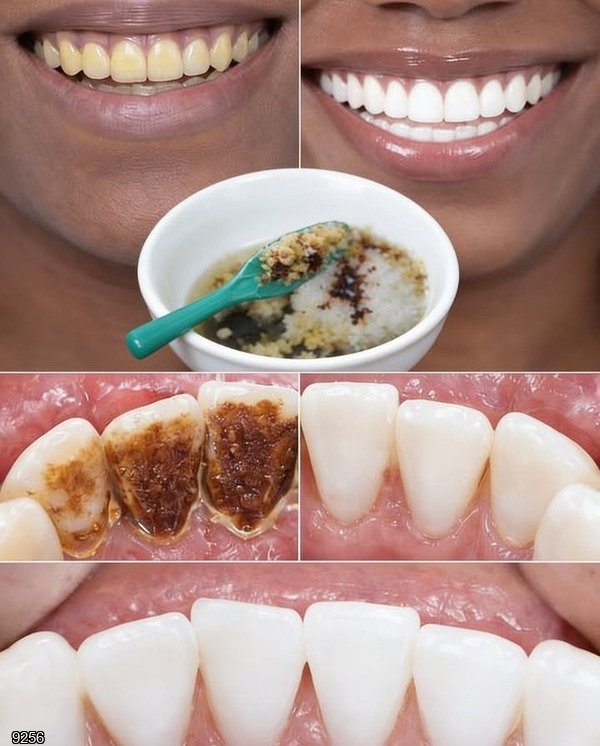
Leading dental professionals consistently highlight that:
- Stubborn, deep-set stains are impossible to eliminate instantaneously.
- To achieve effective whitening, the application of either abrasive substances or active bleaching agents is necessary.
- Visible outcomes generally manifest over a period of several weeks, not in mere minutes.
Reputable professional dental bodies frequently caution the public against harboring unrealistic expectations derived from natural, expedited solutions.
✅ Scientifically Supported Methods for Safely Brightening Your Smile
To achieve genuine and visible enhancements, prioritize integrating these well-established habits into your routine:
- Brush your teeth twice every day using a whitening toothpaste.
- Floss daily to effectively eliminate plaque accumulation between teeth.
- Incorporate an antiseptic mouthwash into your oral hygiene regimen.
- Reduce your intake of beverages known to cause staining, such as coffee, tea, and red wine.
- Rinse your mouth thoroughly with water immediately after consuming meals.
- Explore the use of whitening strips that have received endorsement from dental professionals.
- For more rapid and significant outcomes, consider undergoing professional teeth whitening treatments.
These strategies are designed to tackle the underlying reasons behind tooth discoloration, rather than merely addressing superficial aesthetics.
📊 A Comparative Overview of Teeth Whitening Approaches
| Method | Efficacy | Associated Risk | Scientific Support |
|---|---|---|---|
| Banana peel | Negligible | Low | Extremely limited |
| Baking soda paste | Slight to moderate | Low | Moderate |
| Whitening strips | Moderate to significant | Medium | Robust |
| Professional whitening | Substantial | Low | Robust |
👉 This comparison clearly illustrates why reliable, scientifically-backed methods consistently yield superior results compared to trending internet shortcuts.
💡 Additional Advice for Achieving a Naturally Brighter Smile
- Incorporate crunchy fruits and vegetables, such as apples and carrots, into your diet.
- Maintain adequate hydration to stimulate increased saliva production, which naturally cleanses teeth.
- Refrain from aggressive brushing or vigorous scrubbing, as this can damage enamel.
- Adhere consistently to your established oral hygiene regimen.
👉 Always keep in mind: Regularity and persistence consistently prove more effective than sporadic, intense efforts.
❓ Common Questions Answered
Does rubbing a banana peel on teeth for two minutes actually work?
No, scientific studies indicate very little efficacy beyond what regular brushing provides.
Is it possible for natural remedies to harm tooth enamel?
Indeed, they can—particularly highly acidic options such as lemon juice, especially with frequent application.
What is the most secure method for beginning at-home teeth whitening?
Employing baking soda sparingly and upholding impeccable oral hygiene practices is a safe starting point. For tailored guidance, always consult with your dentist.
🦷 Concluding Thoughts: Prioritizing Lasting Outcomes
Rather than pursuing instant, miraculous solutions, it is far more beneficial to cultivate sustainable, long-term oral health practices. While some natural remedies might offer minor assistance, they are no substitute for established and effective dental care protocols.
Should significant tooth discoloration be impacting your self-confidence, a qualified dental professional is best equipped to suggest safe and highly effective treatments customized to your specific requirements.
⚠️ Important Disclaimer
The content provided in this article is intended strictly for informational purposes and should not be considered a substitute for expert dental advice. Individual results may differ. Always consult with your dentist prior to implementing any new oral care techniques, particularly if you experience tooth sensitivity or have pre-existing dental conditions.