 By admin
 Unmasking Skincare Myths: Is Your Kitchen Mix Harming Your Mature Skin?
A few weeks ago, I listened as my neighbor, Doña Rosa, shared her skincare woes with tears in her eyes. “Doctor,” she began, “I tried a paste of baking soda and petroleum jelly I saw online, hoping to smooth my face. Now my skin feels tight and terribly uncomfortable.” She was mortified, convinced her wrinkles looked worse, not better. This scenario is all too common. Many older adults I speak with feel immense pressure, thinking, “If I don’t act now, I’ll look perpetually tired, old, or simply worn out.” However, rushing into “quick fixes” can often lead to irritation or distress for sensitive skin.
The truth is, we all desire gentle, reliable methods to support healthier skin as we gracefully age. In this article, we’ll delve into popular homemade remedies, explain why your skin might react negatively, and outline safe, evidence-backed habits that can help your skin feel its absolute best—without any unpleasant surprises. Stick with me, because further on, I’ll reveal a simple daily routine that even the busiest individuals can incorporate in just a few minutes.
Why Certain DIY Blends Can Aggravate Mature Skin
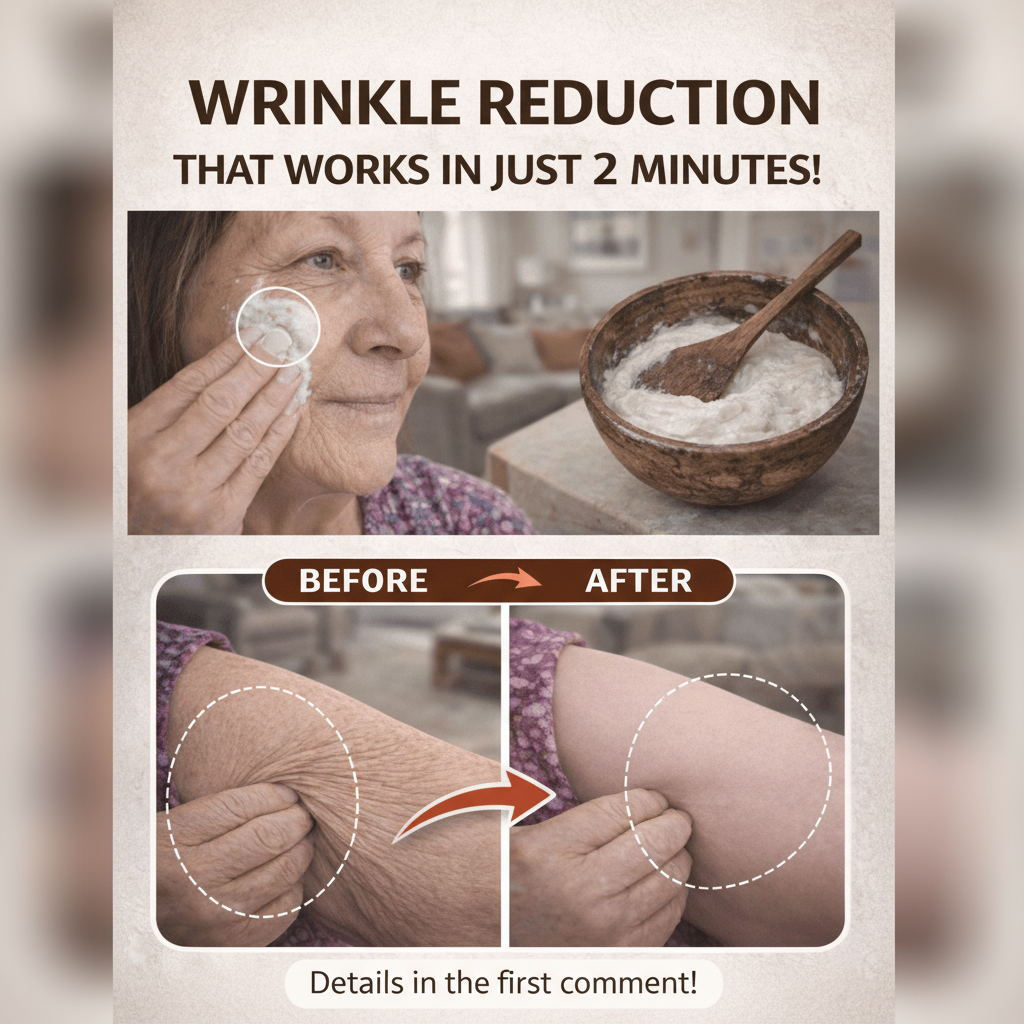
Many older adults encounter online recommendations suggesting a mix of baking soda (sodium bicarbonate) and petroleum jelly for “rapid wrinkle reduction.” Before applying any concoction to your skin, it’s crucial to understand how these ingredients interact with your complexion:
- Baking soda is an alkaline powder widely used in cooking and household cleaning.
- Petroleum jelly is a dense, occlusive moisturizer renowned for creating a protective barrier on dry skin.
But here’s the critical point: Our skin’s natural protective layer, known as the acid mantle, maintains a slightly acidic pH (typically around 4.5–5.5). Baking soda, being alkaline, can significantly elevate the skin’s pH, thereby disrupting this delicate balance. This alteration may trigger redness, dryness, or irritation—especially problematic for mature skin, which naturally tends to be thinner and drier with age.
The Hidden Dangers of a “Quick Fix”
Applying a baking soda paste to your face for an instant improvement might initially seem appealing, but it can strip away essential natural oils and compromise the skin’s vital barrier. Once this protective barrier is weakened, moisture escapes more readily, leaving your skin vulnerable to irritation and environmental stressors. The unfortunate reality is that a healthy, radiant appearance stems more from consistent, gentle care than from drastic, experimental measures.
Safe Skincare Practices for Aging Skin
Transitioning from potentially risky DIY mixtures to gentle, scientifically supported habits can profoundly transform how your skin looks and feels. Here’s an effective daily regimen specifically designed for older adults:
-
Cleanse with Care
Use a mild, fragrance-free cleanser once daily, either in the morning or evening. Steer clear of harsh soaps or abrasive scrubs that can strip away natural oils and weaken the skin barrier.
-
Hydrate Deeply
Apply a rich moisturizer containing ingredients like hyaluronic acid or glycerin while your skin is still slightly damp. These powerful humectants draw moisture into the skin and help lock it in, promoting lasting hydration.
-
Prioritize Sun Protection
Every morning, make it a habit to apply a broad-spectrum sunscreen with an SPF of 30 or higher. Consistent UV exposure is a primary accelerator of visible signs of aging, including wrinkles and dark spots, over time.
-
Fortify the Skin Barrier
Incorporate creams rich in ceramides to strengthen and restore the skin’s crucial protective layer. Consistently avoid the frequent use of alkaline or abrasive substances that can undermine this barrier.
-
Consider Gentle Exfoliation
A product containing lactic acid or polyhydroxy acid (PHA), used 1–2 times per week, can encourage gentle surface cell renewal without harshness. Always start slowly to prevent irritation, particularly if you have sensitive skin.
Remember: Consistency in your routine yields far better results than intense, sporadic treatments.
Comparing Common Skin Solutions and Their Outcomes
This table illustrates why some quick fixes might seem tempting but often fail to support long-term skin health, while highlighting safer, more dependable alternatives.
| Remedy | Pros | Cons |
|---|---|---|
| Baking soda paste | Inexpensive, simple to mix | Can severely disrupt skin pH, highly likely to cause irritation and damage |
| Petroleum jelly alone | Excellent for sealing in existing moisture | Does not add hydration on its own; best used over a humectant |
| Gentle moisturizer | Supports hydration, nourishes skin barrier | Visible results require consistent use over time |
| Daily sunscreen | Protects against UV damage, prevents premature aging | Requires reapplication throughout the day, especially with sun exposure |
| Professional products (retinoids, peptides) | Specifically target signs of aging, proven efficacy | May cause initial sensitivity if not introduced carefully or used incorrectly |
Actionable Steps You Can Integrate Today
Let’s transform this valuable information into practical, actionable steps for your daily life:
- Tonight: Gently cleanse your face with a mild cleanser and follow with a moisturizing ceramide cream to restore your skin barrier.
- Tomorrow morning: Rinse your face with lukewarm water. Apply your chosen moisturizer, then finish with a broad-spectrum sunscreen before stepping outdoors.
- Weekly: Use a gentle exfoliant (like a PHA or lactic acid product) once or twice a week, never daily, to promote cell turnover.
- Monthly: Review your skincare products, prioritizing those labeled “fragrance-free” and “low-irritant” to minimize potential reactions.
- If irritation occurs: Immediately pause any new products and consult with a dermatologist or a qualified skincare professional for personalized advice.
These are straightforward actions that anyone can incorporate, even if you lead a busy life or have particularly sensitive skin.
Debunking Common Myths: What Truly Addresses Wrinkles?
- Myth: “Aggressive scrubs can eliminate wrinkles quickly.”
- Fact: Harsh scrubbing can actually damage delicate skin, leading to more irritation and inflammation. Gentle, consistent renewal and hydration are far safer and more effective for supporting smoother skin texture.
- Myth: “Using kitchen ingredients is always a natural and safe way to improve skin.”
- Fact: While some natural ingredients can be beneficial, many common kitchen items are not formulated for topical skin application and can disrupt the skin’s pH balance, barrier function, and cause severe irritation or allergic reactions, especially on mature or sensitive skin. Always research and consult a professional before applying DIY remedies.