 By admin
 Unmasking Poor Circulation: 5 Early Warning Signs & Natural Strategies for Better Blood Flow
That persistent tingling, perpetually cold toes, or aching calves aren’t just minor annoyances; they could be your body’s subtle alerts about compromised blood flow. Healthy circulation is vital, powering everything from your energy levels to your ability to move comfortably through daily life. While these discomforts often begin subtly, they can escalate, making simple actions increasingly challenging.
The good news? Recognizing these early indicators and adopting a few natural lifestyle adjustments can significantly support and enhance your circulation. Let’s delve into understanding this critical bodily function and how to improve it.
Understanding Poor Blood Circulation
Poor blood circulation occurs when blood struggles to flow freely through your body’s intricate network of arteries, veins, and capillaries. This vast system, spanning approximately 60,000 miles, is responsible for delivering essential oxygen and nutrients while efficiently removing waste products. When this network is compromised, vital areas—especially your hands, feet, and legs—may not receive the nourishment they need. Research indicates that factors like sedentary lifestyles and certain habits are significant contributors to this issue.
5 Early Signs to Watch For
Spotting these signs early can empower you to make proactive changes. Here are five common indicators, based on insights from health experts:
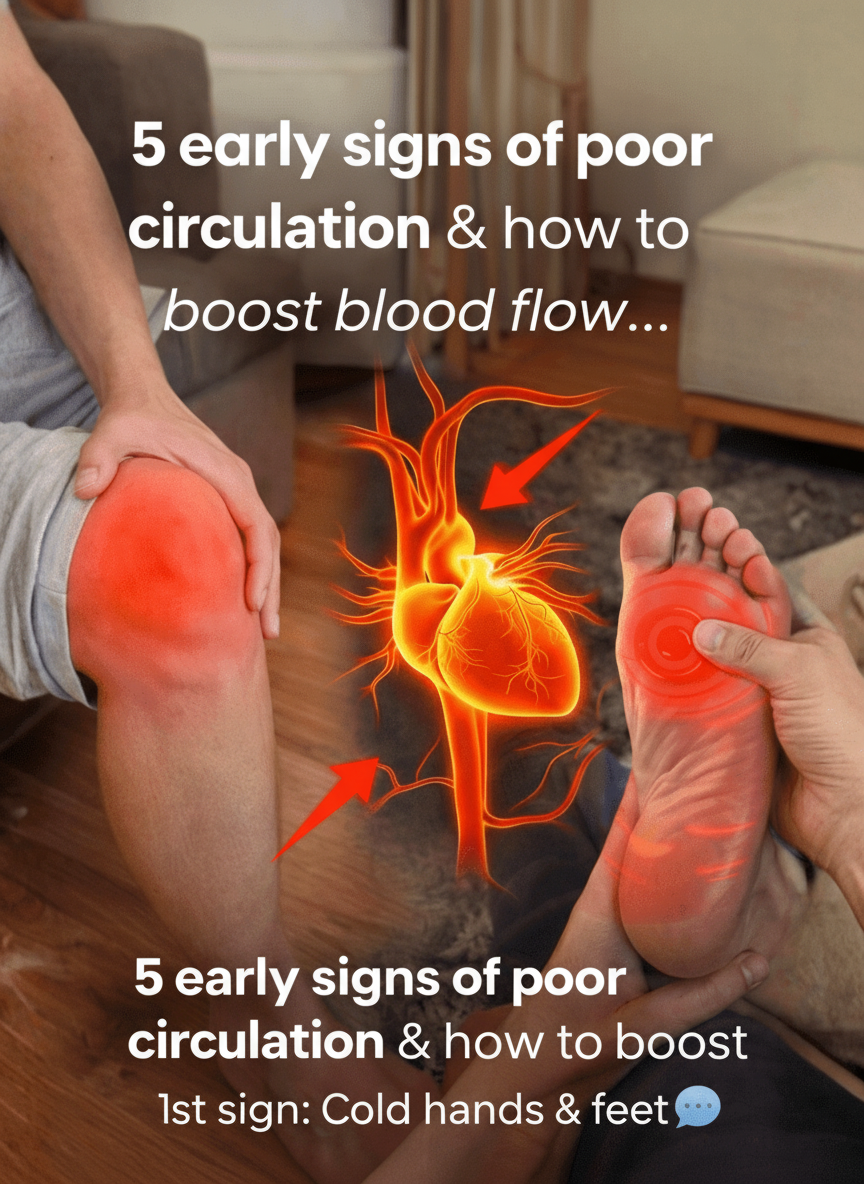
1. Cold Hands and Feet
If your extremities consistently feel chilly, even in warm environments, it could signal restricted blood flow. Blood is the primary carrier of warmth from your body’s core, so when circulation slows, your fingers and toes are often the first to cool down. Pay attention if this sensation persists beyond temporary exposure to cold.
2. Numbness or Tingling Sensations
The familiar “pins and needles” feeling in your limbs might not always be due to an awkward sleeping position. Frequent numbness or tingling can indicate that blood isn’t adequately reaching nerves, leading to temporary loss of sensation. Studies highlight this as a common symptom; if it occurs often without an obvious cause, it warrants attention.
3. Leg Pain or Cramping During Activity
Do you experience aches or a heavy feeling in your calves, thighs, or hips while walking that eases with rest? This could be related to arterial narrowing, which limits blood supply to your muscles during exertion. Medically known as claudication, it’s a key indicator of circulatory issues in the legs.
4. Swelling in the Lower Extremities
Fluid accumulation in your legs, ankles, or feet—referred to as edema—can occur when blood pools due to weakened veins. Gravity plays a significant role, particularly after prolonged periods of sitting or standing. Mild swelling might fluctuate throughout the day.
5. Skin Changes or Discoloration
Observe your skin, especially on your legs or feet, for pale, bluish, or reddish tones. Inadequate blood flow deprives the skin of oxygen, leading to these color shifts. Dryness or unusually slow-healing minor cuts might also accompany these changes, serving as visual cues that your body needs attention.
These signs might not be dramatic initially, but addressing them proactively can make a significant difference in your overall health.
What Causes Poor Blood Circulation?
Several everyday factors can negatively impact circulation. Sedentary behavior is a primary culprit; prolonged sitting significantly reduces blood movement. Other contributors include smoking, which damages blood vessel walls, and diets high in processed foods, which can impair vessel flexibility. While aging naturally plays a part as vessels can stiffen over time, the encouraging news is that many of these factors are modifiable.
Natural Ways to Support Better Blood Flow
Improving your circulation doesn’t always demand drastic changes. Here are evidence-based, practical strategies you can incorporate into your daily life for sustainable results:
1. Incorporate Regular Movement
Physical activity is a powerful catalyst for healthy circulation. Aim for at least 30 minutes of moderate activity most days of the week. Activities like brisk walking, cycling, or swimming get your heart pumping and blood flowing efficiently. Start with a 10-minute warm-up, gradually increase intensity, and always stretch afterward to maintain muscle flexibility. Consistency is paramount.
2. Stay Hydrated Throughout the Day
Dehydration causes blood to thicken, making it harder for your heart to pump and for blood to flow smoothly. Make a conscious effort to drink water regularly—approximately eight glasses daily, and more if you’re active. A simple tip: add lemon slices to your water for a refreshing taste and a boost of Vitamin C, which supports blood vessel health. Monitor your urine color; pale yellow indicates good hydration.
3. Focus on a Nutrient-Rich Diet
What you eat profoundly impacts your circulatory health. Incorporate foods rich in nitrates, such as beets and leafy greens (spinach, kale), as they help blood vessels relax and widen, promoting better flow. Omega-3 fatty acids found in fatty fish (salmon, mackerel) also support vascular health. Conversely, limit processed foods, excessive sodium, and unhealthy fats that can contribute to vessel damage and inflammation.