 By admin
 Unmasking PAD: 7 Critical Warning Signs of Blocked Arteries in Your Legs and Feet
Many individuals experience persistent discomfort or unusual sensations in their lower extremities, often dismissing these symptoms as a natural part of aging or mere fatigue. Yet, these subtle indicators can signal a more serious underlying condition: Peripheral Artery Disease (PAD). PAD occurs when narrowed or blocked arteries restrict vital blood flow to your legs and feet. Overlooking these early signs can lead to severe health complications. The good news is that prompt recognition opens the door to timely medical intervention and improved vascular health. This comprehensive guide will explore seven crucial warning signs of blocked arteries in the lower limbs, empowering you to seek professional advice and proactively manage your well-being.
What is Peripheral Artery Disease (PAD) and What Causes It?
The primary culprit behind diminished blood flow to the lower extremities is a condition known as atherosclerosis. This process involves the gradual accumulation of fatty deposits, called plaque, within the inner walls of your arteries. As these plaques harden and grow, they narrow the arterial passages, impeding the smooth delivery of oxygen-rich blood to the muscles and tissues below the waist. Leading health organizations, such as the American Heart Association, identify several key risk factors that accelerate atherosclerosis and increase the likelihood of developing PAD. These include a history of smoking, high blood pressure (hypertension), elevated cholesterol levels, diabetes, and a sedentary lifestyle. While many individuals with early-stage PAD may experience no noticeable symptoms, the progression of arterial narrowing inevitably leads to observable changes, particularly during physical activity. Recognizing these vital alerts from your body is paramount for early intervention.
7 Critical Warning Signs of Blocked Arteries in Your Legs and Feet
1. Leg Pain or Cramping During Activity (Intermittent Claudication)
This is often the hallmark symptom of PAD. You might experience aching, cramping, or a feeling of heaviness in your calves, thighs, or buttocks that consistently arises during physical exertion like walking, climbing stairs, or exercising. This discomfort, medically termed intermittent claudication, occurs because your muscles demand more oxygen during activity than your narrowed arteries can supply. Esteemed medical institutions like the Mayo Clinic confirm that this pain typically subsides within minutes of resting, only to recur once physical activity resumes.
- It frequently affects one leg more noticeably than the other.
- The sensation is usually described as a deep ache, tightness, or fatigue, rather than a sharp, sudden pain.
- It directly limits how far you can walk or how long you can be active before needing to pause for relief.
2. Numbness, Weakness, or Heaviness in Lower Limbs
Do your legs or feet often feel unusually weak, heavy, or numb, even when you’re at rest? These sensations can arise from insufficient blood supply, which deprives nerves and muscles of the consistent oxygen they need to function optimally. Experts at the Cleveland Clinic explain that while this numbness or weakness might fluctuate, over time it can significantly impair your balance and make everyday movements feel unstable. Many describe it as a persistent “pins and needles” sensation or a noticeable loss of strength that was not previously present.
3. Persistent Coldness in One Lower Leg or Foot
A classic red flag for poor circulation is when one foot or lower leg consistently feels significantly colder to the touch compared to the other limb, or even to the rest of your body. This temperature disparity occurs because restricted blood flow means less warm blood reaches the affected area. The American Heart Association emphasizes that this difference in skin temperature is often quite pronounced when comparing both legs side-by-side. You might even find your feet feeling persistently chilly despite warm weather or wearing socks.
4. Noticeable Changes in Skin Color and Appearance
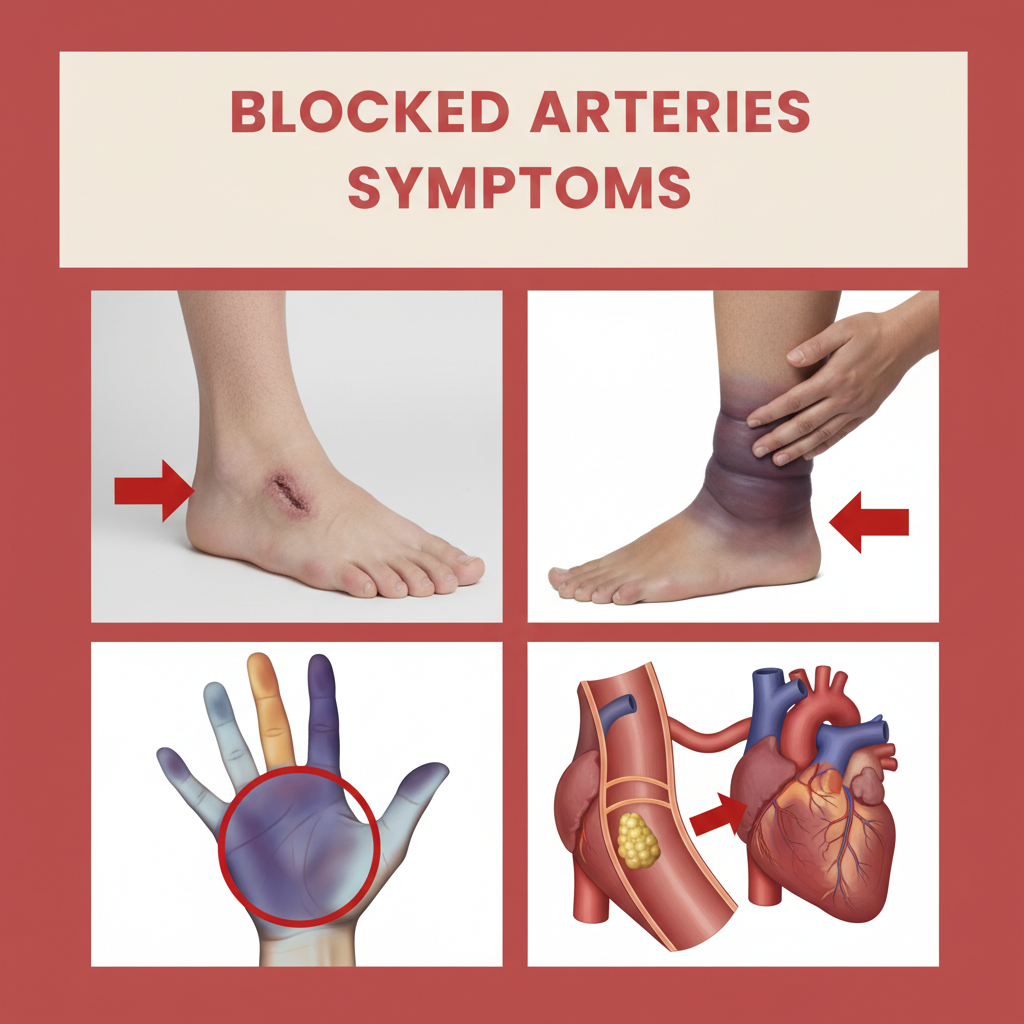
Carefully observe the skin on your legs and feet. Does it appear unusually pale, bluish, or abnormally shiny? Blocked arteries can lead to skin that looks smooth and glossy, often accompanied by a reduction or complete loss of hair growth on the legs and feet. In some instances, the skin may turn noticeably pale when you elevate your leg and then develop a reddish or purplish tint when you lower it back down. These visual changes are direct consequences of inadequate blood flow failing to properly nourish the skin and underlying tissues.
5. Slow-Healing Sores, Wounds, or Ulcers on Feet and Toes
Any cuts, blisters, or small injuries on your feet or toes that take an unusually long time to heal—weeks, or even fail to heal entirely—are critical indicators of compromised circulation. With insufficient blood flow, your body struggles to deliver the essential nutrients, oxygen, and immune cells required for effective wound repair. Reputable sources such as the Mayo Clinic highlight that non-healing wounds on the lower extremities are a grave concern and warrant immediate medical consultation to prevent further complications like infection or tissue death.
6. Changes in Toenail and Hair Growth Patterns
Have you observed any unusual changes in your toenails, such as them growing significantly slower, becoming brittle, or appearing thicker than normal? Similarly, a noticeable decrease in hair growth on your legs or the tops of your feet can be a subtle but important sign. These changes are direct manifestations of chronic low blood flow, which deprives the hair follicles and nail beds of the necessary nourishment for healthy growth.
7. Weak or Absent Pulses in the Legs or Feet
A crucial clinical sign of PAD, often checked by healthcare professionals, is a diminished or completely absent pulse in the arteries of your feet or legs. A healthy pulse indicates strong blood flow. If a doctor or nurse struggles to find a pulse in your ankle or foot, or if it feels significantly weaker than expected, it strongly suggests a blockage in the arteries supplying that limb. This physical finding is a direct indication that blood flow is severely restricted and requires immediate medical evaluation.
Recognizing these seven warning signs is the first crucial step toward protecting your vascular health. While these symptoms can sometimes be attributed to other conditions, it’s vital not to self-diagnose or dismiss them. If you experience any of these indicators, especially if you have risk factors for PAD, consulting a healthcare professional without delay is paramount. Early diagnosis and treatment can significantly slow the progression of peripheral artery disease, alleviate discomfort, and prevent serious complications, allowing you to maintain an active and healthy lifestyle. Prioritizing your circulatory health today can lead to a healthier tomorrow.