 By admin
 Unmasking Milia: Your Guide to Understanding and Gently Treating Persistent White Bumps
Many adults encounter small, pearly white bumps on their skin, often mistaking them for stubborn acne. These tiny, firm lesions, known as milia, can make skin feel rough, complicate makeup application, and subtly erode confidence during close-up moments. The frustration intensifies when conventional acne remedies yield no results. But what if a clear understanding of milia, coupled with gentle, expert-approved practices, could pave the way for noticeably smoother, healthier-looking skin? Delve into these practical insights that many wish they’d discovered sooner.
Distinguishing Milia from Acne: Why It Matters for Effective Treatment
It’s crucial to understand that milia are fundamentally different from acne. While acne develops when pores become clogged with excess oil, dead skin cells, and bacteria, milia are miniature cysts filled with keratin – the natural protein found in your skin, hair, and nails. This critical distinction explains why attempts to ‘pop’ milia or treat them with harsh acne solutions are often futile and can even lead to irritation, scarring, or the emergence of more bumps. Early and accurate identification of milia empowers you to adopt gentler, more appropriate strategies, especially for sensitive areas like around the eyes. The relief often comes from realizing that you haven’t been doing anything ‘wrong’; milia simply demand a different approach.
Understanding the Genesis of Milia: Why They Appear on the Face and Around the Eyes
Milia develop when dead skin cells or keratin become entrapped beneath the skin’s surface, failing to shed naturally. Primary milia, commonly observed in adults, frequently emerge around the eyes and on the cheeks, often linked to the natural slowing of cell turnover that occurs with age. Secondary milia, on the other hand, can be triggered by various factors such as skin trauma, the prolonged use of rich, heavy creams, excessive sun exposure, or certain dermatological procedures. Products that are highly occlusive can inadvertently impede the skin’s natural exfoliation process, allowing keratin to accumulate and milia to persist. Many individuals first notice these small white bumps appearing in their 30s or 40s, serving as a subtle reminder of the skin’s evolving needs.
⚠️ The Pitfalls of Viral “Overnight” Milia Remedies
Social media platforms are rife with ‘miracle’ remedies for milia, often involving concoctions of household items like Vaseline, baking soda, coffee grounds, or honey. While these promise rapid removal, they can, in reality, severely irritate the delicate facial skin and compromise its protective barrier. Vaseline, being highly occlusive, might paradoxically trap more keratin when applied generously around the eyes. Abrasive scrubs risk causing microscopic tears in the skin, while harsh substances like baking soda can lead to excessive dryness and inflammation. Dermatologists frequently treat patients whose skin conditions have worsened after experimenting with these unproven trends. For milia, a gentle, consistent approach almost always yields superior results compared to aggressive, quick-fix solutions.
🧴 Cultivating Safer Daily Practices for a Smoother Skin Texture
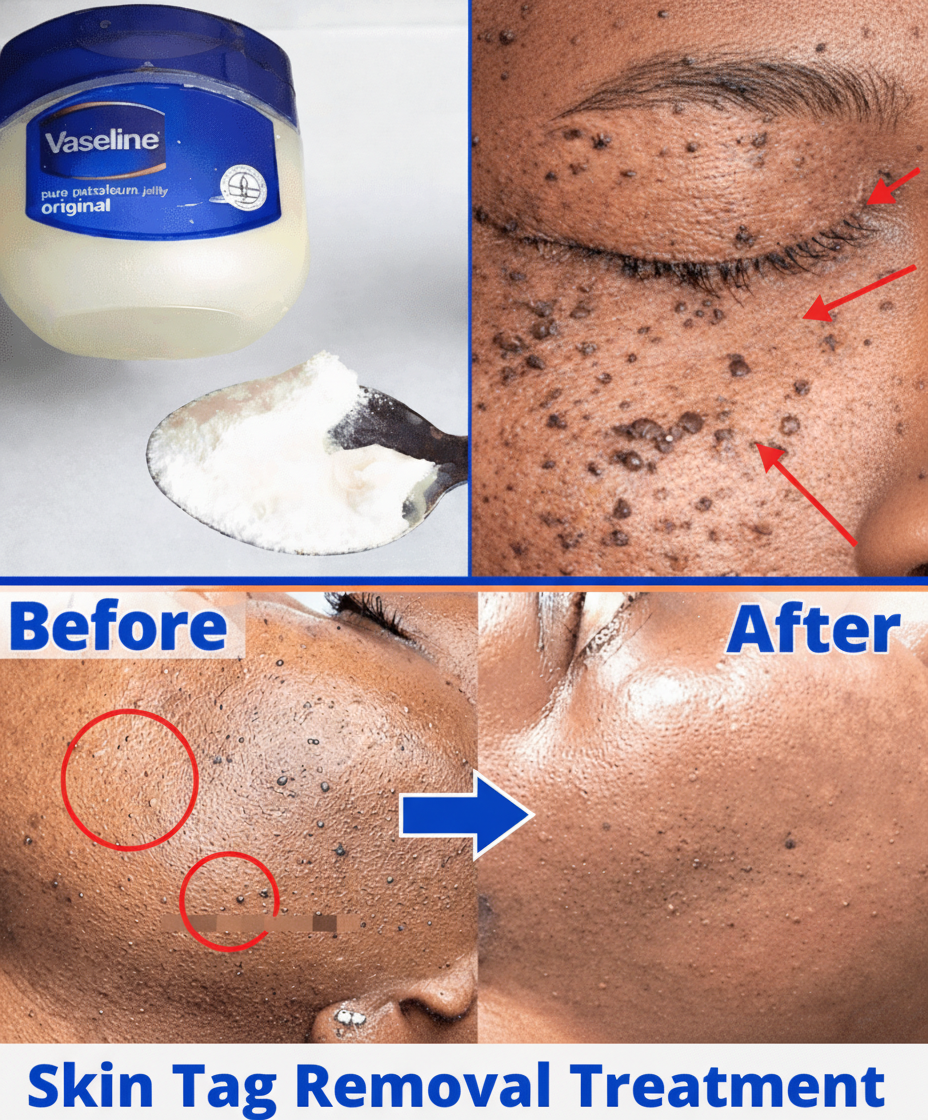
Embrace small, evidence-based modifications to your daily routine that promote natural cell turnover without causing irritation:
- Opt for Lightweight Hydration: Choose non-comedogenic moisturizers to prevent keratin from becoming trapped beneath the skin’s surface.
- Prioritize Sun Protection: Apply a broad-spectrum sunscreen every morning to shield your skin from damage that can instigate secondary milia.
- Incorporate Gentle Exfoliation: Use mild chemical exfoliants, such as salicylic acid or lactic acid, 2–3 times per week to encourage cell renewal.
- Consider Retinoids: Explore over-the-counter retinol or adapalene products to support gradual skin cell turnover and improve overall texture.
- Introduce New Products Cautiously: Always perform a patch test before fully integrating new products, and introduce them one at a time to monitor your skin’s reaction.
🌟 Transformative Journeys: Real-Life Success with Gentle Milia Care
- Emma’s Experience: At 48, Emma struggled with clusters of milia around her eyes that made her concealer appear uneven and cakey. After transitioning to a lightweight moisturizer and incorporating a gentle retinol twice weekly, she observed a noticeable, gradual improvement over several months. “My skin finally feels smooth and even again,” she happily shared.
- Sarah’s Solution: Sarah, 55, had attempted various DIY methods without success before consulting a dermatologist for professional extraction. The swift, in-office procedure effectively and safely cleared her stubborn milia, providing the smooth canvas she desired for her daily makeup routine.
Both women discovered that patience and expert guidance were far more effective than risky, unverified home treatments.
🩺 When Professional Expertise Becomes Essential for Milia
If milia persist despite consistent gentle care, consulting a dermatologist is the most advisable next step. A skin expert can safely and effectively extract milia using a sterile needle or lancet – a quick, low-risk procedure. Additionally, they can prescribe stronger, professional-grade retinoids or recommend targeted chemical peels specifically formulated for your skin type. Seeking early professional intervention often prevents unnecessary frustration and mitigates the risk of scarring that can result from misguided DIY attempts. Many adults find that just one or two visits provide lasting clarity and significantly improve their skin’s appearance.
Your Personalized Gentle Milia Care Plan: Steps to Start Today
- Moisturize Smart: Switch to an oil-free, lightweight moisturizer, particularly for the delicate skin around your eyes.
- Daily SPF Protection: Integrate a mineral-based, broad-spectrum sunscreen into your morning routine every day.
- Exfoliate Thoughtfully: Introduce a gentle chemical exfoliant (such as salicylic or lactic acid) into your evening regimen a few times per week.
- Seek Expert Advice: Schedule a visit with a dermatologist if your milia have persisted for several months despite your home care efforts.
- Resist Picking: Avoid the temptation to pick or squeeze milia; allow your skin to heal naturally.
- Monitor Progress: Track any changes in your skin over a period of 4–8 weeks. Often, even minor adjustments can lead to significant improvements in skin texture and clarity.