 By admin
 Have you ever noticed tiny, persistent white bumps on your skin, particularly around your eyes or cheeks, that seem resistant to your usual cleansing routine? These small, pearl-like spots can create an uneven skin texture, impacting how your makeup applies and potentially affecting your self-confidence. Often confused with acne, these resilient blemishes can be frustrating, especially when attempts to scrub or ‘pop’ them prove ineffective or even worsen the issue. The good news is that understanding these common skin concerns—scientifically known as milia—can empower you to make more informed skincare decisions. This comprehensive guide will delve into what milia are, why certain popular ‘quick fixes’ might do more harm than good, and introduce evidence-based practices for achieving smoother, healthier-looking skin. Prepare to uncover dermatologist-approved insights that could transform your approach to these stubborn white bumps.
Milia vs. Acne: Understanding the Crucial Distinction
As skin matures, particularly from our 30s onwards, new dermatological concerns can emerge. You might notice firm, pearl-like white dots that lack the redness or inflammation characteristic of typical acne breakouts. These are not pimples; they are milia. Milia are tiny, keratin-filled cysts that develop when dead skin cells become trapped just beneath the skin’s surface. In contrast, acne involves pores blocked by excess oil, bacteria, and inflammation, resulting in painful or red lesions. Recognizing this fundamental difference is vital. Treating milia with harsh acne remedies, such as aggressive scrubbing or manual extraction, can exacerbate skin irritation and potentially lead to damage. Dermatological research consistently highlights that an accurate understanding of milia prevents unnecessary skin trauma and promotes more effective, gentle skincare practices. But what exactly triggers their formation? Let’s explore the underlying causes.
Unpacking Milia: Causes, Classifications, and Common Locations
Milia form when keratin, a naturally occurring protein essential for healthy skin, becomes entrapped beneath the epidermal layer instead of undergoing its normal shedding process. This cellular entrapment leads to the formation of those characteristic firm, white bumps, typically measuring 1-2 mm in diameter. These tiny cysts are generally categorized into two primary types:
- Primary Milia: These emerge spontaneously without an obvious preceding cause and are frequently observed in adults, commonly appearing on areas like the eyelids, cheeks, or forehead.
- Secondary Milia: This type develops subsequent to some form of skin trauma or damage. Potential triggers include burns, various rashes, extensive sun exposure, or the application of rich, occlusive creams that hinder the skin’s natural exfoliation. Specific culprits can include heavy moisturizers, certain petroleum-based products, or any form of physical skin injury.
Clinical studies affirm that milia are benign and non-contagious. While precise adult prevalence varies, they are a frequent presentation in dermatological clinics, affecting a significant number of adults throughout their lives. It’s worth considering: could your current skincare regimen, particularly the use of very rich eye creams, be a contributing factor? Fortunately, gentler, more effective solutions are available.
Debunking DIY: Why ‘Quick Fix’ Home Remedies for Milia Can Be Counterproductive
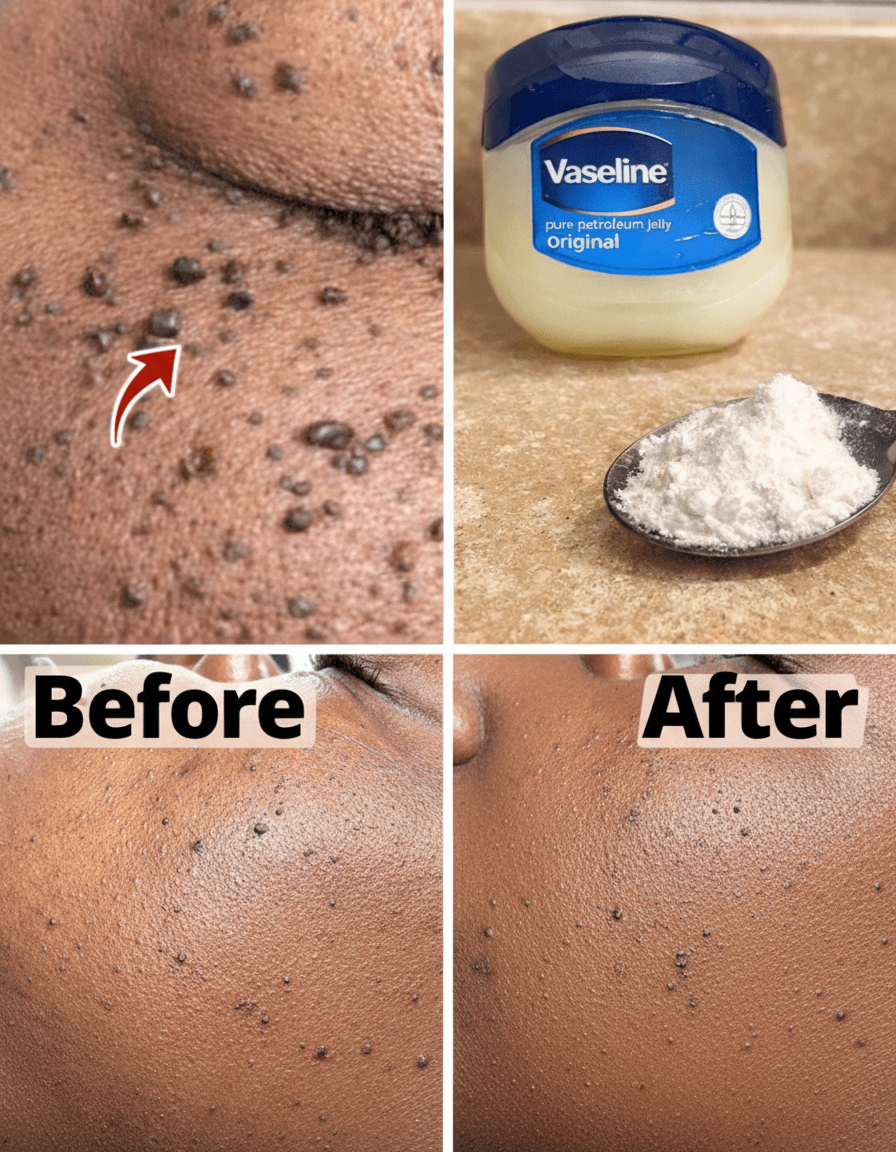
The allure of rapid solutions often leads to popular social media trends promoting DIY concoctions, such as combining petroleum jelly (like Vaseline) with harsh scrubs or exfoliants for milia removal. However, dermatological experts strongly advise against these methods, as they can inadvertently exacerbate the problem by trapping more keratin or compromising the skin’s delicate barrier. Petroleum jelly, being highly occlusive, can further impede the natural exfoliation process in milia-prone areas, potentially worsening keratin buildup. Similarly, abrasive household ingredients like baking soda or coffee grounds, often recommended in DIY recipes, can inflict micro-tears, induce redness, and cause excessive dryness, thereby disrupting the skin’s natural pH balance. There is a distinct lack of robust scientific evidence supporting the efficacy of these homemade remedies for milia removal, while the risks, including irritation, inflammation, and even scarring, are well-documented. Numerous individuals have reported adverse reactions and flare-ups after attempting such remedies, only to find genuine relief through simpler, scientifically validated skincare practices. The key takeaway here is crucial: consistent, patient, and gentle care typically delivers superior and safer results.
Establishing a Gentle Skincare Regimen for Smoother Skin
Achieving a smoother skin texture begins with incorporating small, consistent changes into your routine that encourage natural skin cell turnover without aggressive intervention. Consider integrating mild chemical exfoliants, such as cleansers containing salicylic acid (BHA) or glycolic acid (AHA), 2-3 times per week. These ingredients work gently to dissolve dead skin cells and prevent blockages. Furthermore, introducing over-the-counter retinoids or retinol can significantly boost cellular renewal; however, begin with a low concentration and gradual application to minimize potential irritation. Opt for lightweight, non-comedogenic moisturizers specifically formulated not to clog pores or create an occlusive barrier. Crucially, apply a broad-spectrum sunscreen daily to shield your skin from harmful UV radiation, which is a known contributing factor to secondary milia. Always remember to patch-test any new product before full application. These dermatologist-backed strategies prioritize prevention and gradual, gentle enhancement of your skin’s appearance.
Inspiring Transformations: The Power of Consistent Skincare
To illustrate the effectiveness of these gentle approaches, consider real-life accounts from individuals who have successfully managed milia. For instance, a woman in her late 50s experienced clusters of persistent white bumps around her eyes, which significantly impacted her confidence and daily appearance. After transitioning to a carefully chosen retinol-based routine and opting for lighter, non-occlusive skincare products, she observed a remarkable, gradual smoothing of her skin over several months. This steady improvement underscores the importance of patience and consistency in skincare. By adopting a well-informed, gentle regimen tailored to address milia, many find that they can significantly improve their skin’s texture and overall health, leading to renewed confidence and a clearer complexion. The journey to smoother skin is often a marathon, not a sprint, and these evidence-based strategies offer a reliable path forward.