 By admin
 Unmasking HPV in the Throat: Essential Symptoms, Early Signs, and When to Seek Medical Advice
Have you ever experienced a nagging throat discomfort that simply won’t subside, or noticed an unusual lump that appears without explanation? These subtle shifts in your health can be unsettling, especially when they persist longer than a typical seasonal allergy or cold. While occasional throat issues are common, persistent symptoms might signal something more significant, such as changes related to human papillomavirus (HPV) in the throat, often referred to as oropharyngeal HPV.
Leading health organizations, including the Centers for Disease Control and Prevention (CDC), highlight that certain types of HPV can lead to health concerns in the mouth and throat over time. Crucially, symptoms of oropharyngeal HPV can be easy to overlook initially. However, recognizing these signs early and understanding their potential implications can profoundly impact your health outcomes. This comprehensive guide will delve into the most frequently reported symptoms associated with HPV-related changes in the throat, explain their underlying causes, and provide actionable steps you can take to proactively manage your health. We’ll also share vital insights on prevention that could reshape your daily health habits.
What Is HPV and How Does It Affect the Throat?
Human Papillomavirus (HPV) is an exceedingly common viral infection primarily transmitted through skin-to-skin contact, including various intimate activities. While the majority of HPV infections are transient and resolve spontaneously without causing problems, specific high-risk strains can linger within the body. These persistent high-risk HPV types can affect the cells lining the mouth and throat over many years, potentially leading to oropharyngeal changes. These changes specifically impact the back of the throat, the base of the tongue, and the tonsils.
Extensive research indicates that HPV is a contributing factor to a substantial percentage of oropharyngeal cancers in the United States. These cancers often develop slowly, frequently without any obvious early warning signs. Nevertheless, heightened awareness of potential symptoms empowers individuals to seek professional medical advice much sooner, which is critical for early diagnosis and treatment.
Key Symptoms Linked to HPV in the Throat
It’s important to note that symptoms of oropharyngeal HPV don’t always manifest immediately; many individuals may remain asymptomatic for years following exposure. When signs do emerge, they typically involve irritation or noticeable alterations in the throat tissues. Here’s what reputable health organizations like the CDC and major cancer research centers commonly report:
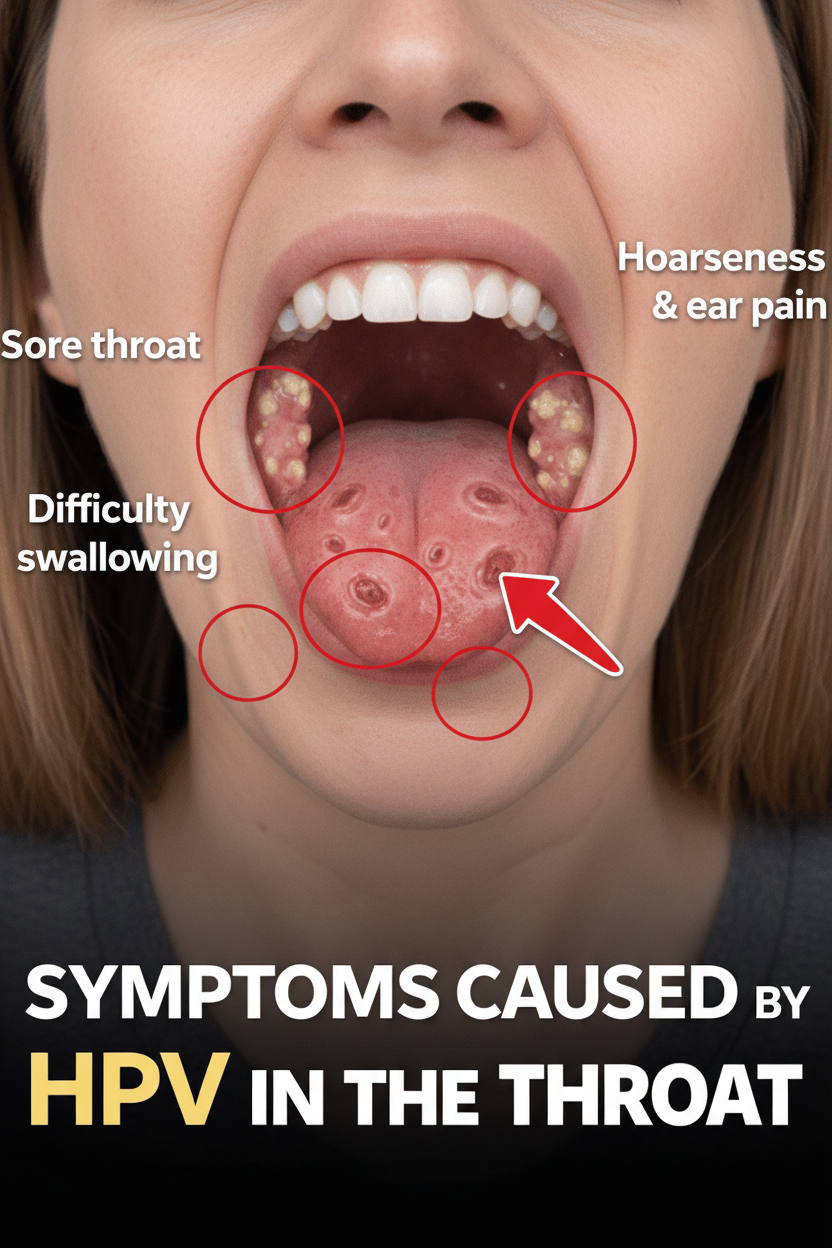
- Persistent Sore Throat: A sore throat that lasts for more than a few weeks, even after attempting home remedies or a course of antibiotics, warrants attention. Unlike a typical viral infection, this discomfort tends to linger.
- Difficulty or Pain When Swallowing (Dysphagia): You might experience a sensation of food getting stuck, or swallowing may become increasingly uncomfortable or painful over time. This can range from mild irritation to severe difficulty.
- Hoarseness or Voice Changes: A voice that sounds persistently raspy, muffled, or noticeably different from your usual tone for an extended period could be a symptom. This is often due to changes affecting the vocal cords or surrounding structures.
- Unilateral Ear Pain: Pain in one ear, particularly when there’s no accompanying ear infection, can sometimes be a referred pain originating from the throat. Nerves in the throat and ear share pathways, making this a possible symptom.
- Lumps or Swelling in the Neck: A painless lump in the neck, often indicative of swollen lymph nodes, is one of the most frequently cited early signs in HPV-related throat conditions. This lump may grow slowly over time.
- Unexplained Weight Loss: Losing a significant amount of weight without any intentional dietary changes or increased physical activity can be a concerning sign, sometimes linked to swallowing difficulties that reduce food intake.
- A Feeling That Something Is Stuck in the Throat (Globus Sensation): This persistent sensation of a “lump in the throat” or a foreign object lodged there, even when nothing is physically present, can be quite distracting and persistent.
Beyond these primary indicators, some individuals may also observe white or red patches inside the mouth or on the tonsils, experience persistent jaw discomfort, or, in more advanced scenarios, even cough up blood. It’s crucial to remember that these symptoms can overlap with numerous common, non-serious conditions such as bacterial infections, allergies, or acid reflux. The critical differentiator is their persistence: if any of these symptoms last for more than 2-3 weeks without improvement, seeking medical evaluation is highly recommended.
Why Do These Symptoms Happen?
HPV can trigger cellular changes in the throat over time, potentially leading to chronic inflammation, the formation of abnormal growths (lesions), or other tissue abnormalities. For instance, a lump in the neck often signifies an immune response where the body’s lymphatic system reacts to the presence of abnormal cells, causing the lymph nodes to swell. Ear pain, particularly on one side, occurs due to shared nerve pathways; issues in the throat can ‘refer’ or transmit discomfort to the ear, even if the ear itself is healthy.
Research highlights that HPV-positive cases of oropharyngeal concerns sometimes present differently compared to other throat issues. For example, a neck lump is often the initial noticeable sign in HPV-related cases. While these symptoms are important indicators, they are not definitive proof of a serious condition on their own. Many minor issues can resolve naturally, but actively monitoring them provides you with vital control over your health narrative and allows for timely intervention if needed.
Actionable Steps You Can Take Today
If you’re concerned about the information you’ve just read, here are practical, everyday habits and steps you can take to support your throat health and overall well-being:
- Monitor Your Symptoms Diligently: Keep a detailed record of any persistent throat discomfort, voice changes, or the appearance of lumps. Note when they started, how long they last, and if they worsen or improve. This information is invaluable for your doctor.
- Consult a Healthcare Professional: If any of the symptoms mentioned persist for more than 2-3 weeks, or if you notice new, concerning signs, schedule an appointment with your primary care physician or an ear, nose, and throat (ENT) specialist without delay. Early diagnosis significantly improves treatment outcomes.
- Regular Health Check-ups: Maintain a schedule of regular medical check-ups, which can help detect potential health issues before they become severe. Discuss any long-standing concerns with your doctor during these visits.
- Consider HPV Vaccination: If you are within the recommended age range (typically 9-45 years, depending on national guidelines), discuss HPV vaccination with your doctor. The HPV vaccine is highly effective in preventing infections from the types of HPV that most commonly cause oropharyngeal cancers.
- Practice Safe Intimate Habits: While HPV can be transmitted through various forms of skin-to-skin contact, practicing safe intimate habits can help reduce the risk of transmission.
- Avoid Tobacco and Limit Alcohol: Smoking and excessive alcohol consumption are significant risk factors for various head and neck cancers, including those that can be linked to HPV. Reducing or eliminating these habits is beneficial for overall health.
Empowering Yourself Through Awareness
Understanding the common symptoms of HPV in the throat is a powerful step toward proactive health management. While the presence of these signs doesn’t automatically mean a serious condition, their persistence warrants prompt medical attention. By staying informed, monitoring your body, and engaging with healthcare professionals, you empower yourself to detect potential issues early and pursue the best possible health outcomes. Your awareness is your greatest asset in safeguarding your well-being.