 By admin
 Unmasking Hives: Surprising Triggers Behind Those Itchy Skin Bumps
Imagine waking up to an unwelcome landscape of red, raised, intensely itchy bumps covering your skin. This discomfort can disrupt your day, steal your peace at night, and leave you wondering why your skin is suddenly reacting this way. While many suspect common allergens, some of the most frequent triggers are surprisingly mundane, hiding in plain sight.
Your skin communicates through these itchy welts, and understanding their potential messages can offer real clarity. Many people experience this phenomenon, and the good news is that recognizing everyday factors can help you start connecting the dots. Let’s explore what might be going on in a straightforward and empowering way.
Understanding Sudden Skin Reactions
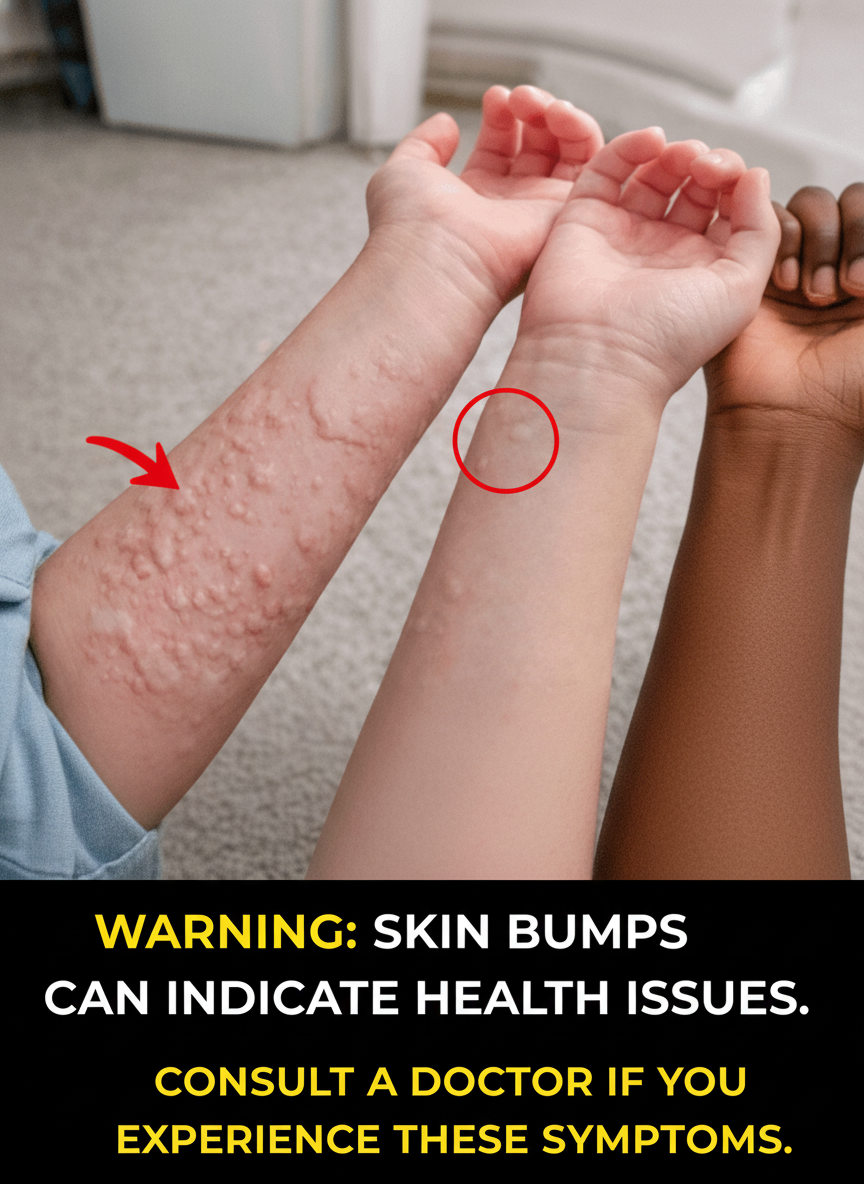
These raised, itchy welts, commonly known as hives or urticaria, emerge when your body releases a natural chemical called histamine. Histamine causes tiny blood vessels in the skin to leak fluid, leading to the swollen bumps you see. Hives can appear anywhere, change shape rapidly, and sometimes fade within hours only to reappear later.
What makes them particularly tricky is that they don’t always point to a single, obvious reason. According to the Cleveland Clinic, these reactions can be short-term (lasting less than six weeks) or chronic (longer-lasting). The key is to notice patterns rather than assuming one direct cause.
The Everyday Triggers You Might Already Suspect
Allergic responses are often the first suspect for many, with certain foods frequently topping the list. Foods like peanuts, tree nuts, shellfish, eggs, milk, and even some berries can trigger a reaction in sensitive individuals within minutes or hours.
Medications are another common culprit. Antibiotics (such as penicillin), pain relievers (like aspirin or ibuprofen), and certain blood pressure drugs have been linked to these skin reactions, as noted by allergy experts.
Other common contacts include:
- Foods: Peanuts, shellfish, eggs, tree nuts, specific berries
- Medications: Penicillin, sulfa drugs, aspirin, ibuprofen
- Environmental Contacts: Pollen, pet dander, insect bites or stings, latex
The American College of Allergy, Asthma & Immunology points out that these triggers often cause quick-onset reactions. Keeping a diary of what you ate or touched just before a breakout can reveal important connections over time.
Hidden Triggers That Often Go Unnoticed
This is where it gets interesting: many hives outbreaks have nothing to do with classic allergies. Physical factors can trigger the exact same itchy bumps without any food or medication involved:
- Temperature Changes: Heat from a warm shower, cold wind, or even sunlight.
- Pressure & Friction: Tight clothing, a backpack strap, or even prolonged sitting.
- Vibration: From jogging or using certain tools.
- Exercise: Any activity that significantly raises your body temperature.
- Emotional Stress: High tension can cause your body to release histamine.
Infections are another surprising player. A simple cold, strep throat, or urinary tract infection might be the hidden reason behind recurring hives, according to Mayo Clinic resources.
Furthermore, underlying health conditions like thyroid imbalances can sometimes play a role, though these require professional medical investigation. The truth is, up to half of chronic hives cases have no single clear trigger, a condition experts refer to as “idiopathic.”
Consider these everyday scenarios: someone notices welts exactly where their snug watch band sat all day, or another person breaks out after a particularly stressful workday with no changes to their diet. These physical and lifestyle connections often surprise people because they feel so ordinary, yet they can be powerful histamine releasers.
Could Stress or Daily Habits Be Playing a Bigger Role?
Stress stands out as one of the most overlooked triggers. When emotional tension builds, your body can respond with a release of histamine, turning internal pressure into visible skin reactions. Similarly, intense exercise, hot weather, or even spicy meals that elevate your core temperature can provoke a similar response.
Lifestyle habits also matter. Constant pressure from tight clothing or repetitive physical actions can be enough to trigger a localized breakout. Recognizing these subtle connections is the first step toward managing and potentially preventing future episodes of hives.