 By admin
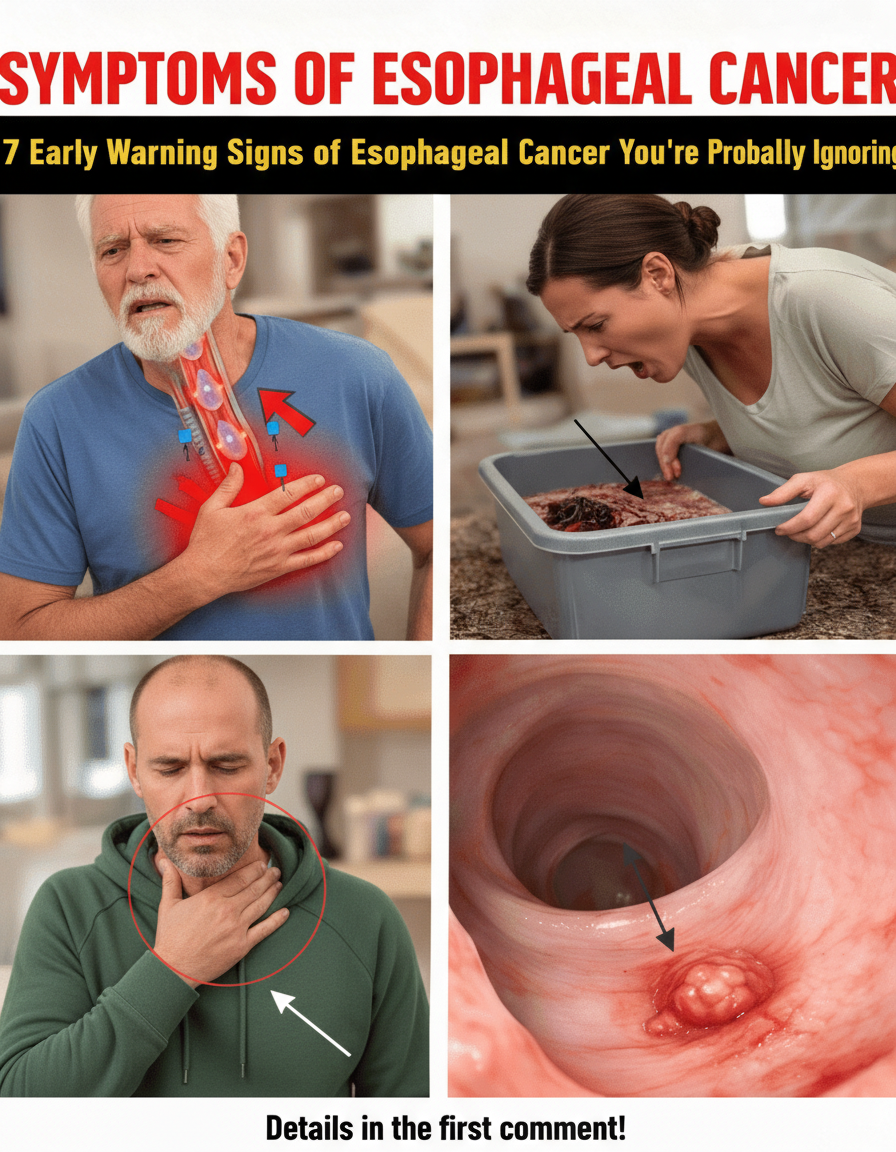
 Imagine taking a bite of your favorite meal, only for it to feel uncomfortably lodged in your throat, refusing to go down smoothly. Initially, you might dismiss it, perhaps washing it down with a sip of water, assuming it’s just a minor hiccup. But what if this subtle sensation is your body’s urgent early warning? Esophageal cancer often develops insidiously, with its initial symptoms frequently mimicking common, less serious issues like everyday heartburn or the natural effects of aging.
Insights from the American Cancer Society underscore a critical truth: early detection can dramatically improve patient outcomes. Have you recently noticed persistent digestive discomfort that you’ve brushed aside? Many individuals overlook these vital signals until the disease has progressed significantly. However, these crucial indicators are often hidden within our daily routines, and understanding them could truly be life-changing. Stay with us to uncover a lesser-known aspect of this disease that might genuinely surprise you.
Why Esophageal Cancer Often Goes Unnoticed
Your esophagus, the muscular tube that efficiently transports food from your throat to your stomach, typically operates without you giving it a second thought. When esophageal cancer begins to develop, it gradually narrows this vital passageway, leading to initially vague and easily dismissed discomfort. Studies frequently highlight that a majority of cases are diagnosed at later stages because early symptoms can closely overlap with more common conditions such as gastroesophageal reflux disease (GERD) or a hiatal hernia. Alarmingly, over 50% of patients experience unexplained weight loss by the time of diagnosis.
You might wonder if occasional heartburn warrants concern. While an isolated instance typically doesn’t, its persistence is a different matter entirely. But these are just the initial layers; let’s delve deeper into the specific warning signs that often blend seamlessly into our daily lives.
The 7 Warning Signs You Might Be Overlooking
Here, we count down the most common, yet frequently ignored, indicators of esophageal cancer, drawing on expert insights from reputable sources like the Mayo Clinic and the American Cancer Society.
7. Chronic Indigestion or Heartburn
Picture this: You’ve just finished dinner, and that familiar burning sensation starts to rise in your chest. You reach for an antacid, and the discomfort temporarily subsides, quickly forgotten. However, long-term, unmanaged acid reflux can cause significant damage to the esophageal lining, known as Barrett’s esophagus, which elevates cancer risk. Many people simply dismiss this as a “normal” reaction to spicy foods or rich meals. Research consistently suggests that persistent heartburn, especially if it’s worsening or unresponsive to typical remedies, demands medical evaluation. This is often an entry-level symptom; the next sign frequently accompanies it.
6. Hoarseness or Persistent Cough
Your voice might suddenly turn raspy, as if you’ve been shouting too loudly, or a cough lingers for weeks without any other cold symptoms. Tumors in the esophagus can irritate nearby nerves, leading to vocal changes, or even cause aspiration of food or liquids into the lungs, triggering a chronic cough. Patients often describe a dry, irritating cough that seems to worsen at night. While you might attribute this to seasonal allergies or a lingering cold, if it persists for more than a few weeks, it’s a noteworthy symptom that warrants attention. The following sign often adds a sense of urgency.
5. Chest Pain or Pressure
You might experience a dull ache or a burning sensation in your chest, particularly after eating, which can unsettlingly mimic cardiac issues. As a tumor grows, it can press on surrounding tissues and nerves, causing this discomfort. Many individuals mistakenly attribute this to gas, indigestion, or even anxiety. However, medical experts emphasize that this type of chest pain is often non-cardiac in origin when linked to esophageal issues. Does this resonate with your experiences? The next symptom often indicates a more noticeable escalation.
4. Food Feeling Stuck in Throat (Dysphagia)
When you swallow solid foods, you might feel a peculiar hesitation, as if the food is momentarily caught or lodged behind your breastbone. This sensation, medically termed dysphagia, is an early indicator of the esophagus gradually narrowing. People often adapt to this by chewing their food more thoroughly, taking smaller bites, or drinking more liquids during meals, often without realizing it’s a significant warning sign. This difficulty in swallowing begins subtly. But beware—the painful version intensifies this concern significantly.
3. Painful Swallowing (Odynophagia)
Each bite brings not just difficulty, but sharp discomfort or pain that can radiate to your back or chest. This symptom, known as odynophagia, is a more advanced signal, often indicating inflammation, irritation, or an obstruction within the esophagus. Dry or coarse foods typically trigger the most intense pain. Research consistently highlights painful swallowing as a significant red flag that should never be ignored. It’s truly shocking how often this is excused as merely a severe sore throat. The next sign ties directly into the body’s overall response.
2. Unintentional Weight Loss
You might notice your clothes fitting looser, or that your appetite has quietly diminished, all without any conscious effort to diet or exercise. This unexplained weight loss is a concerning symptom, driven by a combination of reduced food intake due to swallowing difficulties and increased metabolic demands from the cancer itself. Up to 50% of patients experience significant, unintentional weight loss. While you might initially attribute it to stress or a busy lifestyle, when combined with any of the other signs, it becomes an alarming indicator.
1. Progressive Difficulty Swallowing (Worsening Dysphagia)
This is often the most common and definitive symptom, yet its progressive nature means it’s frequently reported late. It typically begins with difficulty swallowing solid foods, then gradually advances to soft foods, and eventually, even liquids become challenging to ingest. A growing tumor progressively blocks the esophageal passage. This symptom tops our list because individuals tend to “adjust” to it for the longest time, unknowingly delaying critical diagnosis. Recognizing these patterns reveals the truth.
Now, let’s break this down further with a quick comparison:
| Common Warning Signs | Why It Happens | Often Mistaken For |
|---|---|---|
| Chronic Heartburn & Indigestion | Acid damage to the esophageal lining (GERD) | Dietary issues, stress, or common reflux |
| Difficulty/Painful Swallowing | Narrowing of the esophagus due to tumor growth | Aging, anxiety, or eating too fast |
| Unexplained Weight Loss & Chest Pain | Reduced food intake, metabolic demands, tumor pressure | Stress, dieting, muscle strain, or simple heartburn |
| Hoarseness & Persistent Cough | Nerve irritation or aspiration | Allergies, common cold, or bronchitis |
The truth is, recognizing these patterns early can make all the difference.
Real Stories: Awareness Made the Difference
Consider Barbara, 62, who consistently ignored her heartburn for years. When swallowing became painful, she finally sought medical attention, and tests revealed early-stage esophageal cancer. Thanks to timely treatment, she is now thriving and passionately urges others to speak up about their symptoms. Then there’s Tom, 68, who experienced persistent hoarseness and unexplained weight loss. His ongoing cough eventually prompted further checks, leading to a localized diagnosis of esophageal cancer. He is now in remission.
You might be thinking, “This won’t happen to me.” This sentiment is understandable, but these real-life stories powerfully illustrate that listening to your body and seeking professional advice truly pays off. These examples underscore the immense value of paying close attention to your body’s signals. But here’s the critical question: What proactive steps should you take next?
Safe Steps to Take If Signs Resonate
There’s no need for panic if you recognize some of these warning signs. However, it is paramount to consult a healthcare professional without delay. Early diagnosis is key to effective treatment. Here are some responsible steps you can take:
- Schedule an Appointment: Contact your doctor promptly to discuss your symptoms. Be prepared to describe when they started, how often they occur, and what makes them better or worse.
- Be Specific: Don’t downplay your symptoms. Provide your doctor with a clear and detailed account of what you’re experiencing.
- Keep a Symptom Diary: Jot down your symptoms, their frequency, severity, and any potential triggers. This can provide valuable information for your doctor.
- Avoid Self-Diagnosis: While awareness is crucial, only a medical professional can accurately diagnose your condition through proper examinations and tests.
Remember, your health is your most valuable asset. Being proactive and informed about potential warning signs empowers you to take control and seek the care you need. Don’t let subtle symptoms go unnoticed; your body might be trying to tell you something vital.
”
}
“`