 By admin
 Waking up to unexplained itchy bites after a restless night can be a tell-tale sign of unwelcome guests: bed bugs. These minuscule nocturnal pests are notorious for their elusive nature, expertly concealing themselves in tiny cracks and crevices, often remaining undetected until an infestation becomes significant. The resulting discomfort and frustration within your own living space can be substantial. However, by gaining a deeper insight into their behaviors and life cycle, you can empower yourself to effectively tackle the problem. Keep reading, as we’ll also explore a surprisingly simple, common household item that many individuals integrate into their routine for managing these persistent pests.
Understanding Bed Bugs: Biology and Invasion Tactics
Bed bugs (Cimex lectularius) are tiny, wingless insects, primarily known for feeding on the blood of humans and warm-blooded animals, typically during slumber. Their bodies are characteristically flat and oval-shaped, transforming into a reddish-brown hue and swelling after a blood meal. Unlike many other insects, bed bugs are incapable of flying or jumping; instead, they swiftly crawl across various surfaces. According to insights from the Environmental Protection Agency (EPA), these resilient pests flourish in warm conditions, ideally between 70°F and 80°F (21°C and 27°C), and possess the remarkable ability to endure for several months without feeding. This resilience contributes significantly to their persistent nature.
Moreover, bed bugs are master hitchhikers. They frequently infiltrate homes by clandestinely clinging to luggage, second-hand furniture, or even clothing. Once they establish themselves indoors, their population can expand at an alarming rate, with a single female capable of depositing hundreds of eggs throughout her lifespan, leading to rapid infestation.
The Bed Bug Life Cycle: From Hatchling to Mature Pest
The life cycle of a bed bug typically spans 6 to 12 months under optimal environmental conditions, progressing through distinct developmental stages. It commences with the eggs: minute, pearly-white, and approximately 1 millimeter in length. These are commonly deposited in concealed clusters within cracks and crevices.
Following the egg stage are the nymphs. These are immature bed bugs that undergo five molts, or shedding of their exoskeletons, before maturing into adults. Each molt necessitates a blood meal, highlighting their constant need for a host. Fully developed adults are roughly the size and shape of an apple seed. They can survive for up to a year, consistently seeking blood meals every few days when hosts are readily available. Intriguingly, entomological research, including reports from institutions like Purdue University, suggests that an unchecked bed bug population has the potential to double in size every 16 days, underscoring the urgency of early intervention.
Identifying a Bed Bug Infestation: Key Indicators
Early detection is paramount when dealing with bed bugs, as it significantly impacts the effectiveness of management strategies. Be vigilant for these tell-tale signs within your living space:
- Small, Rust-Colored Stains: Often found on sheets or mattresses, these are traces of crushed bed bugs or their fecal matter.
- Dark, Pepper-Like Spots: These tiny, blackish specks are bed bug excrement, typically found on bedding, furniture, and walls near their hiding spots.
- Shed Exoskeletons: As nymphs grow, they shed their translucent, yellowish-brown skins (exuviae), which can be found in infested areas.
- Unpleasant Musty Odor: In cases of severe infestation, a distinct, sweet yet musty aroma may permeate the affected room, caused by pheromones and feces.
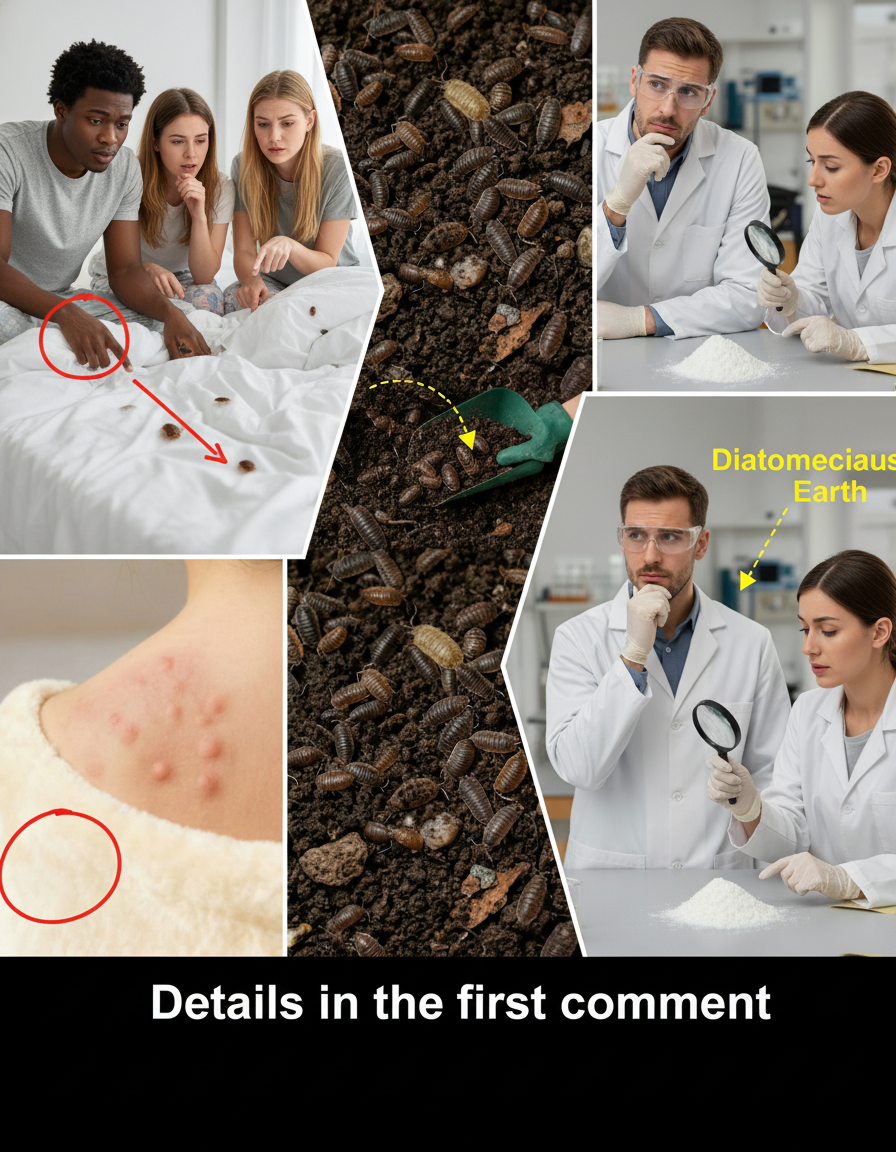
- Itchy Bites: Many individuals first notice red, itchy welts on their skin, frequently appearing in linear patterns or clusters, particularly on exposed skin during sleep. It’s important to note, however, that individual reactions to bites can vary widely.
A crucial misconception to dispel is that bed bugs are solely a problem of uncleanliness. In reality, these pests are opportunistic and can inhabit pristine environments just as readily as cluttered ones. Their primary means of entry often involves personal travel and the introduction of second-hand items into the home.
Health Implications of Bed Bug Bites and Infestations
While current research suggests bed bugs are not known vectors for disease transmission, their presence and bites can certainly lead to a range of health-related issues. The most immediate impact is physical discomfort, manifesting as redness, localized swelling, and often intense itching at the bite sites. In rare instances, individuals may experience more severe allergic reactions.
Beyond the physical, bed bug infestations frequently cause significant sleep disturbances, contributing to increased stress levels and chronic fatigue. Furthermore, studies highlighted by the Centers for Disease Control and Prevention (CDC) indicate potential mental health impacts, including heightened anxiety and distress related to the persistent presence of these pests. The crucial takeaway, however, is that proactive prevention and diligent management strategies can substantially mitigate these adverse effects. Implementing routine inspections of bedding, mattresses, and furniture is an excellent starting point for safeguarding your well-being.
Effective Prevention Strategies to Deter Bed Bugs
Minimizing the risk of a bed bug invasion requires adopting proactive and consistent prevention tactics. Begin by implementing diligent travel precautions: when staying in hotels or other accommodations, always thoroughly inspect mattresses, headboards, and upholstered furniture. Crucially, keep your luggage elevated and off the floor to prevent hitchhikers.
Within your home, consider investing in high-quality, zippered encasements for mattresses and box springs. These covers trap any existing bed bugs and prevent new ones from colonizing. Regular and thorough vacuuming, particularly in bedrooms and living areas, is another essential step. Immediately after vacuuming, dispose of the vacuum bag or empty the canister contents into a sealed plastic bag and discard it outside your home. Utilizing bed bug interceptors beneath bed legs can also serve as an effective non-toxic trap, capturing pests attempting to crawl onto your bed. Finally, remember that heat is a powerful weapon against bed bugs; washing and drying potentially infested items on the highest heat setting (temperatures exceeding 120°F or 49°C) is recommended by guidelines from the EPA to effectively eradicate them.
Exploring Natural and DIY Home Remedies for Pest Control
In the quest to manage household pests like bed bugs, many homeowners often explore natural and do-it-yourself (DIY) remedies using readily available household items. For instance, certain essential oils, including tea tree or lavender, are occasionally integrated into homemade sprays, valued for their purported insect-repelling or insecticidal qualities. Another popular option is diatomaceous earth, a finely ground natural powder derived from fossilized algae, which works by dehydrating insects upon contact.
Furthermore, common pantry staples such as baking soda or white vinegar are sometimes incorporated into cleaning regimens, believed by some to deter pests. The appeal of these methods largely stems from their accessibility and cost-effectiveness. However, it is crucial to understand that the efficacy of these natural approaches can be highly variable and may not provide a complete solution for severe infestations.
A Simple Salt Method for Bed Bug Management: Potential Application
Salt, a ubiquitous household staple, is sometimes considered as a component in natural pest management routines due to its desiccant properties, which can dehydrate insects. While comprehensive scientific evidence on its standalone effectiveness against bed bugs is limited, some individuals explore its use as a supplementary measure.
Here’s a basic approach that some sources suggest for incorporating salt:
- Identify Infested Areas: Thoroughly inspect and pinpoint locations where bed bugs are likely hiding, such as the seams of mattresses, within furniture cracks, behind baseboards, and along carpet edges.
- Prepare the Salt: For best results, a fine-grained salt is typically recommended.
(Note: The original source material provided an incomplete method for using salt. For any pest management strategy, especially for an established bed bug infestation, consulting with a professional pest control service is highly recommended to ensure complete eradication.)