 By admin
 In today’s fast-paced world, many individuals grapple with persistent discomforts such as daily aches, stiffness, and subtle inflammation. These issues, often exacerbated by prolonged sitting, repetitive motions, and chronic stress, can insidiously impact sleep quality, mood, and overall well-being. Consequently, there’s a growing interest in discovering gentle, food-based approaches to enhance physical comfort and restore the body’s natural equilibrium.
Historically, indigenous food plants have served this very purpose, providing essential nourishment while supporting holistic health. Among these botanical treasures is common purslane (Portulaca oleracea) – an often-underestimated edible herb with a surprising array of benefits. This comprehensive guide will explore its scientific backing, nutritional profile, and versatile applications, culminating in a fascinating insight you won’t want to overlook.
What Is Common Purslane (Portulaca oleracea)?
Common purslane, scientifically known as Portulaca oleracea, is a rapidly growing, succulent annual herb that thrives across various global regions. Despite its widespread presence in gardens, cracks in sidewalks, and agricultural fields, it is frequently misidentified as a mere weed. However, its true significance lies in its dual role: revered as a nutritious vegetable in numerous cuisines and highly valued in traditional wellness systems worldwide.
Common Names You Might Recognize
- Verdolaga (Latin America)
- Little Hogweed
- Red Root
- Pigweed (a regional term, distinct from Amaranthus species)
Characterized by its fleshy, smooth leaves and distinctive reddish stems, purslane offers a unique culinary profile. Its flavor is mildly tangy with a hint of lemon, complemented by a satisfyingly crisp texture. These qualities make it a popular addition to a variety of dishes, including fresh salads, hearty soups, and vibrant stir-fries.
Why Purslane Has Garnered Scientific Attention
The remarkable aspect of purslane is its exceptional nutrient density, especially considering its humble size. This has made it a focal point for researchers, who predominantly investigate it as a functional food – a category of foods that offer health-promoting benefits extending beyond their fundamental nutritional value.
Key Nutrients Found in Purslane
Extensive research highlights purslane’s rich nutritional composition, featuring several vital compounds:
- Omega-3 Fatty Acids (ALA): Uniquely, purslane is one of the rare land-based vegetables to contain significant levels of alpha-linolenic acid (ALA), a crucial plant-based omega-3.
- Flavonoids: These powerful plant compounds are renowned for their potent antioxidant capabilities.
- Vitamins A, C, and E: A trio of essential vitamins, integral for robust cellular protection and overall immune function.
- Minerals: A good source of vital minerals including magnesium, potassium, and calcium, supporting various bodily functions.
Given the close interplay between chronic inflammation and oxidative stress, foods abundant in these beneficial compounds are frequently examined for their potential in fostering physical comfort and enhancing mobility.
Traditional Uses of Purslane Across Cultures
Long before the advent of modern nutritional science, purslane held a significant place in the traditional food and wellness practices of diverse cultures worldwide. Its history is rich with applications extending beyond mere sustenance.
Historical and Cultural Applications
- Traditional Chinese Medicine: Revered as a ‘cooling’ food, it was often consumed to help balance the body during hot weather conditions.
- Mediterranean Diets: A staple ingredient, frequently incorporated into fresh salads and creamy yogurt-based preparations.
- Middle Eastern Cuisine: Utilized fresh to add a refreshing balance to richer, heavier meals.
- Folk Traditions: Employed both internally (consumed) and externally (topically applied) to promote general well-being and alleviate discomfort.
Significantly, many of these historical uses emphasized maintaining daily physiological balance rather than seeking immediate, dramatic cures. This perspective resonates strongly with contemporary dietary advice advocating for holistic, balanced nutrition.
Modern Research: Purslane’s Impact on Inflammation and Comfort
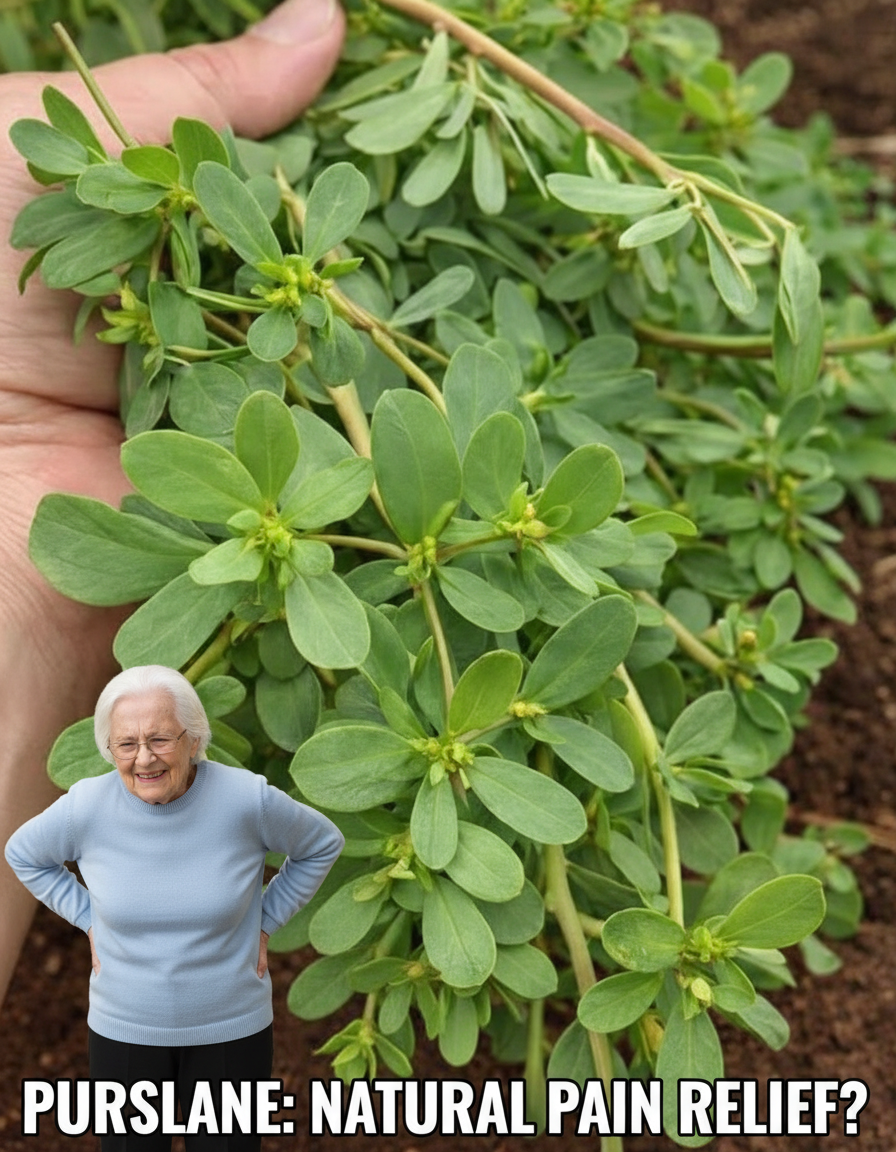
Contemporary scientific investigations have delved into the biological activities of purslane extracts, particularly focusing on their effects on inflammatory markers observed in controlled laboratory environments.
Key Observations from Scientific Studies
Research consistently suggests that compounds present in purslane may:
- Modulate Inflammatory Response: Aid in supporting the body’s healthy and normal inflammatory processes.
- Combat Free Radicals: Help to neutralize free radicals, which are unstable molecules known to cause cellular damage.
- Boost Antioxidant Capacity: Contribute significantly to the body’s overall antioxidant defense mechanisms.
Important Disclaimer: It is paramount to recognize that these findings highlight supportive properties and potential benefits, rather than indicating definitive medical outcomes or cures. Purslane should be considered a valuable component of a comprehensive, balanced diet and a healthy lifestyle, not as a standalone medical treatment.
The Significance of Omega-3 Fatty Acids for Daily Well-being
This is an area where purslane truly distinguishes itself. Omega-3 fatty acids are celebrated for their profound role in various aspects of health:
- Promoting Joint Comfort: Essential for maintaining supple and comfortable joints.
- Sustaining Inflammatory Balance: Crucial for helping the body regulate its natural inflammatory responses.
- Supporting Cardiovascular & Metabolic Health: Contributing to a healthy heart and efficient metabolic function.
While the majority of dietary omega-3s are typically sourced from fatty fish or seeds like flax and chia, purslane stands out as one of the rare leafy green plants that naturally provides a substantial amount of alpha-linolenic acid (ALA), a vital plant-based omega-3.
Culinary Applications: Integrating Purslane into Your Diet
As a highly versatile edible plant, incorporating purslane into your daily meals is perhaps the most straightforward and enjoyable method to harness its benefits. Its mild yet distinctive flavor profile and crisp texture make it a fantastic addition to a wide range of dishes.
Popular Ways to Enjoy Purslane
- Fresh Salads: A refreshing addition, often paired simply with lemon juice and olive oil.
- Lightly Sautéed: Excellent when gently cooked with garlic and other garden vegetables.
- Soups and Stews: Can be added to thicken and enrich the nutritional content of various broths.
- Mediterranean-Inspired Dishes: Blends beautifully into yogurt or soft cheese preparations, embodying traditional regional flavors.
Its unique tangy essence complements both plant-based meals and dishes rich in protein, making it an incredibly adaptable ingredient in any kitchen.
Traditional External Applications: A Note of Caution
Certain historical traditions document the external application of purslane, typically in the form of crushed leaves or simple topical preparations applied directly to the skin. These practices were rooted in folk remedies passed down through generations.
Important Considerations
- Traditional vs. Clinical: It is vital to understand that these external applications are based on traditional practices and lack robust clinical validation in modern medical science.
- Limited Modern Evidence: Contemporary scientific evidence for topical purslane use is largely confined to preliminary laboratory studies or early-stage research.
- Individual Skin Sensitivity: As with any botanical applied topically, individual skin reactions can vary. It is always advisable to perform a patch test before widespread application.