 By admin
 Many older adults recognize that subtle shift: the jar that’s suddenly harder to open, the stairs that feel steeper, or groceries that weigh a little more than they used to. This gradual decline in muscle strength can be frustrating, often making us feel less capable. While it’s a common part of aging, what many don’t realize is the significant role small, daily nutrition choices can play in maintaining strength well into later life.
And one tiny, often-overlooked seed might just be a powerful ally.
Why Muscle Strength Declines After 70
The natural process of aging often brings with it sarcopenia, a gradual loss of muscle mass and strength. This isn’t an overnight change; it accumulates over years. Research suggests adults can lose 3-8% of muscle mass per decade after age 30, with this rate accelerating past 60.
Several factors contribute to this decline:
- Reduced protein intake
- Decreased physical activity
- Hormonal shifts
- Lower nutrient absorption
Compounding this, many seniors inadvertently reduce their intake of muscle-supporting foods. Factors like a diminished appetite, sensitive digestion, or the inconvenience of cooking can lead to meals that are lighter in essential nutrients. However, certain foods pack a significant nutritional punch in small portions, and seeds are a prime example. Among them, one particular seed is gaining quiet recognition from nutrition experts.
The Tiny Seed Nutrition Experts Are Talking About
Frequently highlighted in discussions about muscle-supportive nutrition are hemp seeds, also known as hemp hearts. Despite their small size, these seeds are a nutritional powerhouse, offering a blend of vital nutrients particularly beneficial for older adults.
According to nutrition databases, hemp seeds provide:
- High-quality plant protein (approximately 9-10g per 30g serving)
- Essential fatty acids, including Omega-3 and Omega-6
- Magnesium and zinc
- Iron and fiber
What makes hemp seeds especially valuable is their complete amino acid profile. Unlike many other plant-based foods, they contain all essential amino acids—the fundamental building blocks that muscles rely on for repair and maintenance. While they don’t replace diverse protein sources like eggs, fish, or legumes, they serve as an excellent complement.
Even better, hemp seeds are soft, possess a mild, nutty flavor, and are incredibly easy to incorporate into daily meals. This simplicity is a major advantage for older adults who might struggle with chewing tougher foods or preparing complex dishes.
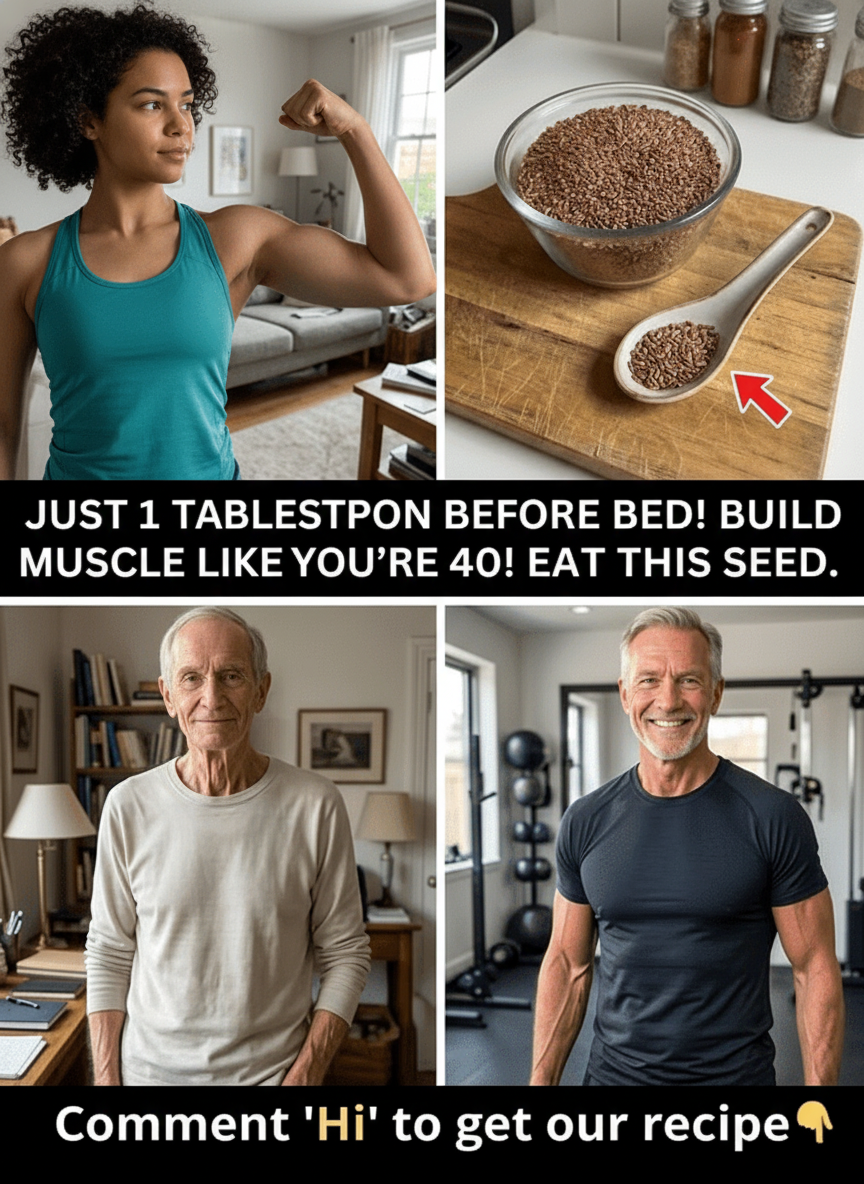
Hemp Seeds vs. Common Protein Sources
Many wonder how hemp seeds stack up against familiar protein-rich foods. Here’s a quick comparison:
- Hemp Seeds: ~9–10g protein per 30g. Rich in Omega fatty acids, magnesium.
- Eggs: ~6g protein per egg. Contains Vitamin B12, choline.
- Lentils: ~8–9g protein per 30g (cooked). Good source of fiber, iron.
- Almonds: ~6g protein per 30g. Provides Vitamin E, healthy fats.
The key takeaway isn’t that one food is “superior,” but that variety is crucial for optimal nutrition. Combining different protein sources like eggs, fish, legumes, nuts, and seeds ensures a broader spectrum of nutrients for overall health and muscle maintenance.
A Simple Bedtime Habit for Muscle Support
Here’s an interesting insight: some nutrition experts suggest that a small, protein-rich snack in the evening can significantly support overnight muscle maintenance. Why? During sleep, the body goes for extended periods without food. For older adults who eat early dinners, this gap can stretch to 12 hours or more.
A light evening snack helps bridge this nutritional gap. Consider options like:
- Plain yogurt with a spoonful of hemp seeds
- Oatmeal sprinkled with seeds and berries
- Whole grain toast with nut butter
- Cottage cheese with chopped nuts
Remember, portion size is important. The aim is a small, nutrient-rich snack, not a large late-night meal.
Beyond Food: Essential Habits for Muscle Strength After 70
While nutrition is vital, food alone isn’t enough to maintain muscle health. Lifestyle habits are equally important. Here are three habits many doctors and experts encourage older adults to prioritize:
- Stay Physically Active: Even light resistance exercise makes a difference. This includes activities like walking, using resistance bands, light weights, or chair squats. Consistent research demonstrates that muscles respond positively to activity at any age.
- Distribute Protein Intake: Instead of consuming most of your protein in one large meal, spread your protein intake throughout the day. This provides a more consistent supply of amino acids for muscle repair and synthesis.
- Prioritize Quality Sleep: Adequate sleep is crucial for muscle recovery and repair, hormone regulation, and overall well-being. Aim for 7-9 hours of quality sleep each night to support your body’s regenerative processes.
By integrating these nutritional insights and lifestyle habits, adults over 70 can take proactive steps to maintain their muscle strength, helping them enjoy a more active and independent life.