 By admin
 If you’re a woman of reproductive age, you’re likely familiar with the intense days preceding your period – a time when emotional shifts can feel overwhelming. Beyond typical premenstrual syndrome (PMS), 3-5% of women experience Premenstrual Dysphoric Disorder (PMDD), a severe condition that profoundly impacts daily life, relationships, and work.
While established options like selective serotonin reuptake inhibitors (SSRIs) such as fluoxetine are available, many seek gentler approaches with potentially fewer side effects. This quest has led to a growing interest in everyday natural ingredients, with one ancient spice, long cherished in cooking, showing intriguing results in controlled research.
Understanding PMDD: More Than Just “That Time of the Month”
PMDD is a severe form of PMS, typically manifesting during the luteal phase of the menstrual cycle, after ovulation and before menstruation. Women often report intense emotional fluctuations, including sudden tears, heightened anger, persistent low mood, anxiety, difficulty concentrating, fatigue, and even changes in sleep or appetite. These symptoms are not “all in your head”; they arise from complex interactions involving hormones, brain chemistry (especially serotonin pathways), and individual sensitivities. The monthly cycle of dread can ripple into various aspects of life, affecting work performance, partnerships, and self-worth.
However, there’s hope: researchers are continuously investigating supportive options beyond conventional medications, particularly focusing on plant compounds that may influence mood-regulating systems with a different side-effect profile.
What the Research Says About Saffron and PMDD Symptoms
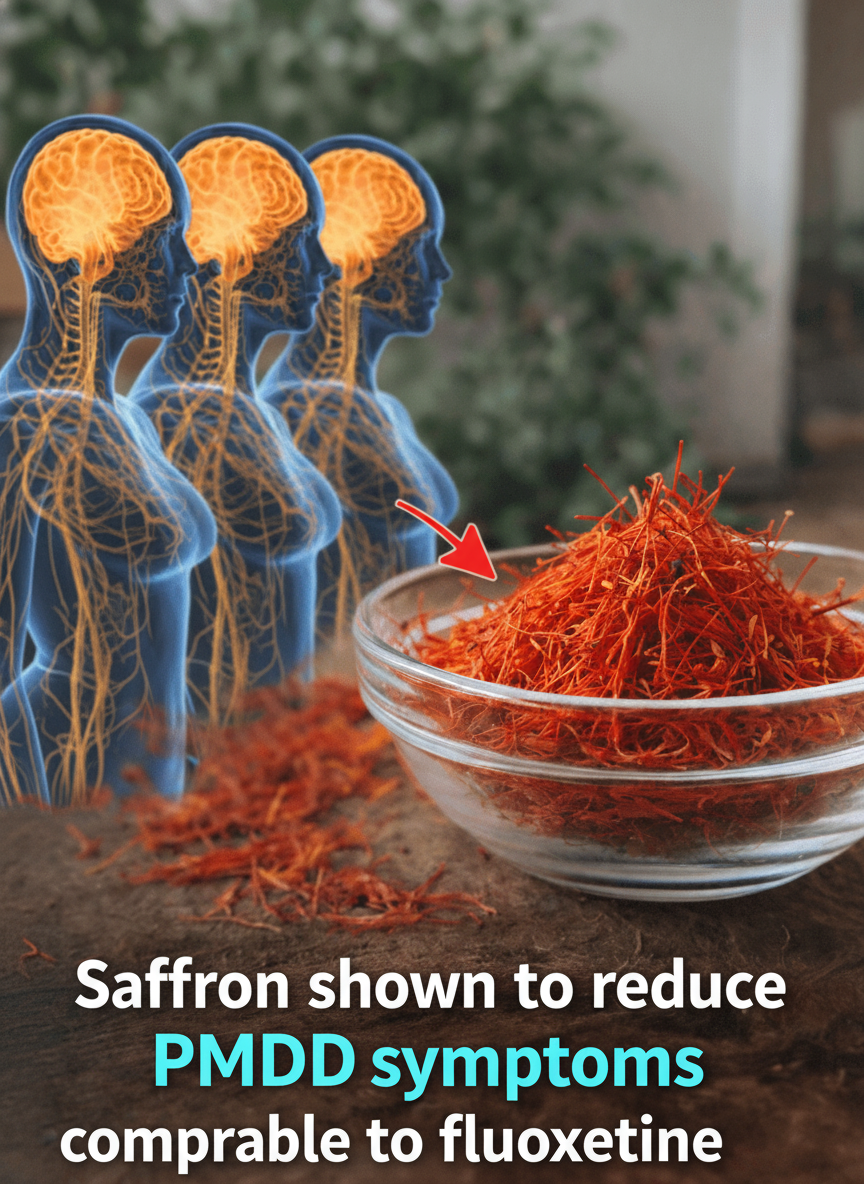
A notable 2020 randomized controlled trial shed light on saffron’s potential. Involving 120 women diagnosed with PMDD, participants were divided into three groups: one received fluoxetine (20 mg twice daily), another saffron (15 mg twice daily), and the third a placebo. Dosing occurred for two weeks during the luteal phase across two menstrual cycles, with outcomes measured using standardized tools like the Daily Record of Severity of Problems (DRSP) and Hamilton assessments.
While all three approaches showed some symptom improvement, the saffron group demonstrated significant benefits compared to placebo on key measures. Remarkably, saffron’s effectiveness appeared similar to fluoxetine in reducing overall symptom severity. What truly stood out was the side-effect profile: the fluoxetine group reported a noticeably higher rate of adverse effects, whereas saffron was associated with fewer. This suggests saffron could offer a promising supportive strategy with a milder profile, aligning with broader interest in its active compounds like crocin and safranal, known for their potential influence on serotonin, dopamine, and other mood-related pathways.
Saffron vs. Fluoxetine: A Comparative Look at the Trial
Here’s a concise comparison based on the 2020 study findings:
- Study Design: 120 women with PMDD, randomized, placebo-controlled, luteal-phase dosing over two cycles.
- Saffron Group (15 mg twice daily): Achieved significant symptom improvement compared to placebo on DRSP; showed overall effectiveness similar to fluoxetine across multiple measures; reported a lower incidence of side effects.
- Fluoxetine Group (20 mg twice daily): Demonstrated significant symptom improvement; however, exhibited a higher rate of side effects when compared to both saffron and placebo.
- Placebo Group: Experienced some improvement (a common observation in PMDD trials due to monitoring and expectation), but less pronounced than the active treatment groups on key scales.
Key Takeaway: In this specific trial, saffron exhibited comparable supportive effects to fluoxetine, critically, with a more favorable tolerability profile. While more extensive research is always valuable, this study contributes significantly to the growing body of evidence exploring saffron’s potential role in supporting women’s cyclical health. As with any supplement, it’s advisable to consult a healthcare professional before incorporating saffron into your routine, especially if you are on other medications.