 By admin
 Unlocking Prostate Health: The Natural Power of Pumpkin Seeds for Men Over 50
For men over the age of 50, experiencing bothersome urinary issues such as waking up multiple times at night to urinate, a noticeably weak urine flow, hesitation or difficulty initiating urination, the sensation that your bladder isn’t completely empty, or a persistent, urgent need to go – these are common indicators of benign prostatic hyperplasia (BPH). This non-cancerous enlargement of the prostate gland affects a significant majority, up to 80%, of men by their 80s. While various medical treatments, including alpha-blockers, 5-alpha-reductase inhibitors, and surgical procedures, offer relief to many, a powerful natural food has consistently garnered scientific praise for its supportive role: pumpkin seeds, also known as pepitas. Consuming these nutrient-rich seeds daily in adequate quantities has demonstrated remarkable efficacy in numerous human clinical trials, leading to a reduction in prostate size, enhanced urinary flow, and significant alleviation of BPH symptoms. This isn’t merely anecdotal; its benefits are firmly supported by rigorous randomized, placebo-controlled studies. Let’s delve into the scientific evidence and discover how to effectively incorporate pumpkin seeds into your daily routine for optimal prostate and urinary health.
Why Pumpkin Seeds Are a Cornerstone for Optimal Prostate Health
Pumpkin seeds stand out due to their unique and potent blend of bioactive compounds, specifically formulated by nature to address prostate enlargement and associated urinary discomfort. Here’s a closer look at their key components:
- Exceptional Zinc Concentration: A 30-gram serving of pumpkin seeds typically provides 7–10 mg of zinc. This is particularly significant because the prostate gland boasts the highest concentration of zinc among all organs in the human body. Zinc plays a crucial role by inhibiting the enzyme 5-alpha-reductase, which is responsible for converting testosterone into dihydrotestosterone (DHT) – a primary driver of prostate growth.
- Abundant Phytosterols (e.g., Beta-Sitosterol): These plant compounds are instrumental in blocking the binding of DHT to prostate cells, thereby helping to mitigate prostate enlargement. Furthermore, phytosterols possess anti-inflammatory properties that can soothe irritated prostate tissue.
- Powerful Antioxidants: Rich in carotenoids, vitamin E, and various phenolic acids, pumpkin seeds provide robust antioxidant protection. These compounds safeguard delicate prostate cells from oxidative stress and damage, which can contribute to prostate issues.
- Beneficial Essential Fatty Acids: The healthy fats found in pumpkin seeds contribute to reducing inflammation throughout the body, including the prostate, and are vital for maintaining the integrity and healthy function of cell membranes.
Compelling Clinical Evidence from Human Trials
The efficacy of pumpkin seeds for prostate health isn’t merely theoretical; it’s robustly supported by a growing body of scientific research:
- A landmark 2009 randomized, placebo-controlled trial, published in the Journal of Medicinal Food, administered 320 mg of pumpkin seed oil daily to men suffering from BPH over a 12-month period. Participants experienced a significant reduction in their International Prostate Symptom Score (IPSS), notable improvements in urinary flow rate, and a measurable decrease in prostate volume when compared to the placebo group.
- Further research in 2014 explored the synergistic effects of combining pumpkin seed oil with saw palmetto extract. This study revealed even more pronounced improvements in both symptom severity and overall quality of life for the participants.
- A subsequent 2015 Korean clinical trial further substantiated these findings, demonstrating that a daily intake of 320 mg of pumpkin seed oil led to a substantial 30–40% reduction in IPSS within just six months. This level of improvement was found to be comparable to the effects observed with certain prescription medications used for managing mild-to-moderate BPH.
- Beyond individual studies, numerous meta-analyses, which synthesize data from multiple trials, consistently affirm that pumpkin seed extract and oil represent one of the most effective natural, herbal interventions available for alleviating BPH symptoms.
How to Harness Pumpkin Seeds for Maximum Prostate and Urinary Benefits
To fully leverage the prostate-supporting properties of pumpkin seeds, consistent daily intake is key. Here’s a guide to effective usage:
Recommended Daily Dosage:
- Whole Seeds: Aim for 20–40 grams daily. This translates to approximately 1–2 small handfuls or 2–4 tablespoons of raw or lightly roasted pumpkin seeds.
- Pumpkin Seed Oil Capsules: For a more concentrated therapeutic effect, especially if you prefer supplements or need a higher dose, consider 320–500 mg of pumpkin seed oil capsules daily. These typically contain standardized extracts, similar to those utilized in clinical trials.
Optimal Consumption Methods:
- Enjoy them as a convenient daily snack, either raw or dry-roasted (preferably unsalted or with minimal salt).
- Easily incorporate them into meals by sprinkling them over yogurt, oatmeal, salads, or soups.
- Boost your smoothies by blending in pumpkin seeds, perhaps with a banana and a dash of cinnamon for enhanced flavor.
- Create your own nutritious pumpkin seed butter by blending roasted seeds with a small amount of healthy oil.
- Consider consuming a portion of your daily dose in the evening, as this may particularly aid in promoting overnight prostate relaxation and improving urinary comfort throughout the night.
Expert Tip for Absorption: To ensure optimal digestion and nutrient absorption, thoroughly chew whole pumpkin seeds or consider grinding them before consumption, as intact seeds can be more challenging for the digestive system to break down.
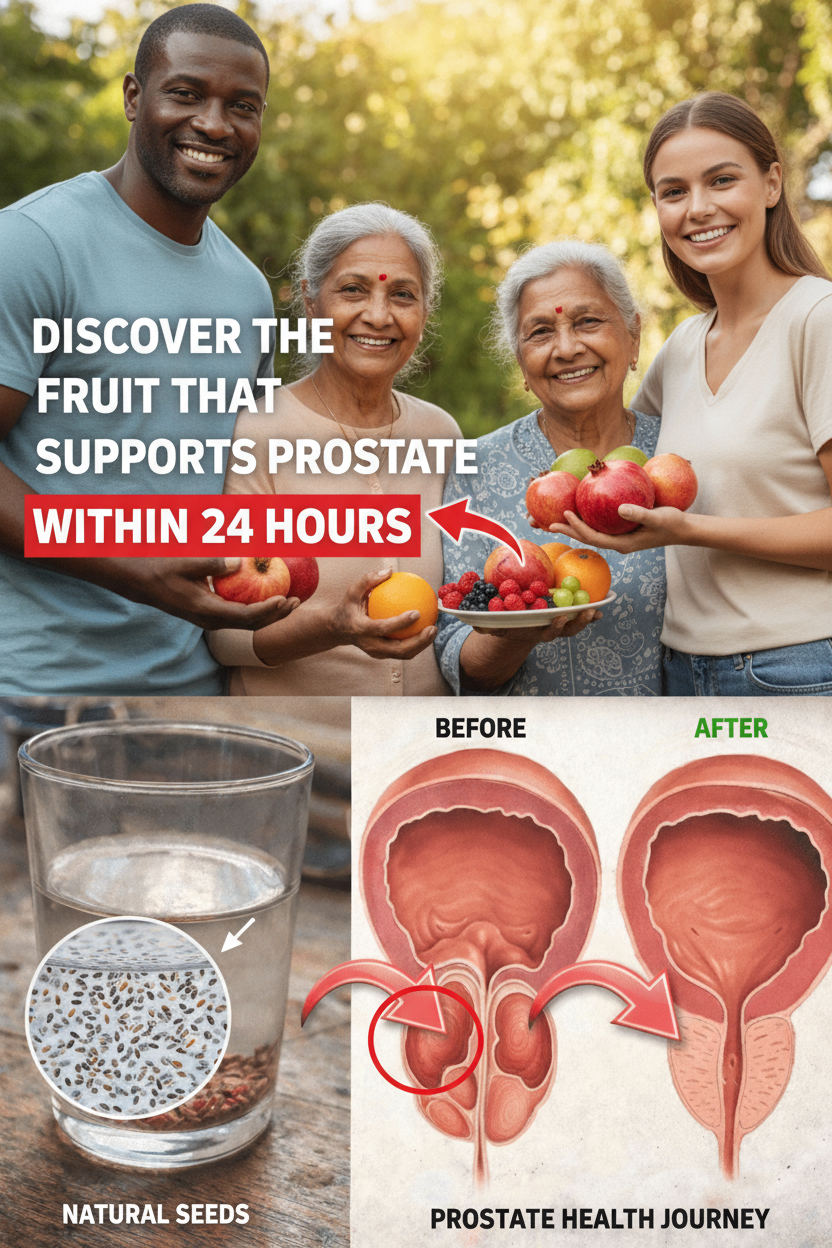
Realistic Timeline: What to Expect When Using Pumpkin Seeds for Prostate Health
While individual experiences may vary, many men following a consistent regimen of pumpkin seed consumption report a progressive improvement in their BPH symptoms over several weeks:
- Weeks 1–2: Initial Changes
- Noticeable reduction in the urgency of nighttime urination.
- A mild but perceptible improvement in the strength of urine flow.
- Weeks 3–6: Continued Improvement
- Further decrease in overall urinary frequency and urgency throughout the day and night.
- Less of the bothersome sensation of incomplete bladder emptying.
- A general feeling of a calmer, more settled bladder.
- Weeks 8–12: Significant Relief and Enhanced Quality of Life
- A substantial reduction in the International Prostate Symptom Score (IPSS), indicating a significant decrease in symptom severity.
- Many users joyfully report the ability to “finally sleep through the night” without frequent interruptions.
- Overall improvements in quality of life, confidence, and comfort related to urinary function.
Important Considerations: What Pumpkin Seeds Are NOT Intended For
While incredibly beneficial, it’s crucial to have realistic expectations about the role of pumpkin seeds in prostate health management. They are not a miracle cure and have certain limitations:
- They will not drastically shrink an extremely enlarged prostate overnight. Their action is gradual and supportive.
- They are not a cure for advanced BPH that necessitates surgical intervention or potent prescription medications.
- They should never be used as a substitute for prescribed medical treatments, such as alpha-blockers (e.g., tamsulosin) or 5-alpha-reductase inhibitors (e.g., finasteride), without consulting a healthcare professional.
Safety Profile and Important Precautions
Pumpkin seeds are generally considered very safe and well-tolerated for most men when consumed within the recommended daily dosage of 20–40 grams. However, a few considerations are worth noting:
- Caloric Content: Pumpkin seeds are calorie-dense. If you are actively managing your weight, mindful portion control is advisable to avoid excessive caloric intake.
- Allergies: While uncommon, individuals with existing seed or nut allergies should exercise caution, as allergic reactions to pumpkin seeds can occur.
- Digestive Sensitivity: For those prone to digestive discomfort or bloating, it’s recommended to start with a smaller daily amount, such as 10–15 grams, and gradually increase as your body adjusts.
- Interaction with Blood-Thinning Medications: Pumpkin seeds possess a mild anti-platelet effect. While typically not clinically significant at standard food consumption levels, individuals taking blood-thinning medications (anticoagulants) should consult their doctor as a precautionary measure.
The Bottom Line: Embrace Pumpkin Seeds for Prostate Wellness
In summary, pumpkin seeds stand out as one of the most thoroughly evidence-backed, economically accessible, and remarkably well-tolerated natural dietary interventions available for men seeking to proactively support their prostate health. They are particularly effective in improving urinary flow, alleviating bothersome nighttime urgency, and enhancing overall comfort for men over 50, especially those experiencing mild-to-moderate symptoms of BPH.
If you find yourself frequently interrupted by the need to urinate at night, experience the frustrating sensation of incomplete bladder emptying, or notice a diminished strength in your urine stream – and, crucially, your healthcare provider has already ruled out more serious conditions like prostate cancer – incorporating 20–40 grams of pumpkin seeds into your daily diet is a highly recommended step. Many men who adopt this simple habit report experiencing significant and noticeable relief from their symptoms within a period of 4 to 12 weeks. Start your journey towards better prostate health today!