 By admin
 Unlocking Nature’s Potential: A Traditional Guide to Identifying and Preparing Tribulus Terrestris at Home
In our fast-paced modern world, it’s common to experience persistent fatigue and a noticeable dip in energy levels, impacting everything from our mood to our physical stamina and overall zest for life. This pervasive weariness often prompts a search for natural solutions to restore balance and vitality. For generations, various cultures have revered traditional herbs such as Tribulus terrestris for their potential to bolster general well-being. What many might not realize is that long before the advent of commercial supplements, ancient wisdom guided individuals in preparing this potent botanical fresh or dried in their own homes. This comprehensive guide will walk you through safe identification techniques and straightforward traditional preparation methods, offering a unique perspective on harnessing the power of Tribulus terrestris.
What is Tribulus Terrestris and How to Identify it Safely?
Known by its common names like puncture vine or goathead, Tribulus terrestris is a resilient, low-lying plant that thrives in dry, sun-drenched environments across the globe. Characterized by its creeping stems that hug the earth, it features delicate small yellow flowers and, most distinctly, sharp, spiky fruits—often referred to as ‘goatheads’—which readily cling to footwear or vehicle tires. Its leaves are arranged oppositely along the stem and possess a subtle hairiness, giving the plant a soft, fuzzy texture. When considering foraging for this potent herb, it is absolutely crucial to recognize these specific identifying characteristics to prevent any confusion with other plants. Always prioritize safety by verifying your identification with a trusted botanical guide or a qualified expert, as incorrect identification can have serious consequences. This versatile plant is frequently observed flourishing in sandy soils and various disturbed landscapes.
Why Traditional Cultures Revere Tribulus Terrestris
Throughout history, traditional healers across diverse cultures, including practitioners of Ayurveda, Traditional Chinese Medicine (TCM), and various indigenous systems, have revered Tribulus terrestris for its wide-ranging therapeutic properties. Historically, different parts of the plant were utilized to enhance energy levels, boost stamina, and support urinary tract health. The plant’s rich array of natural compounds, most notably its potent saponins, are believed to be instrumental in these long-standing traditional applications. Beyond its recognized role in promoting general vitality and fostering a positive mood, certain traditions also underscore its potential benefits for optimal kidney and bladder function. While modern scientific reviews, often cited by reputable sources like Healthline and WebMD, acknowledge promising results in animal studies, they also highlight the current variability in human clinical evidence. This ongoing scientific exploration continues to fuel significant interest in its time-honored traditional uses and potential health advantages.
Simple Homemade Preparations Using Tribulus Terrestris
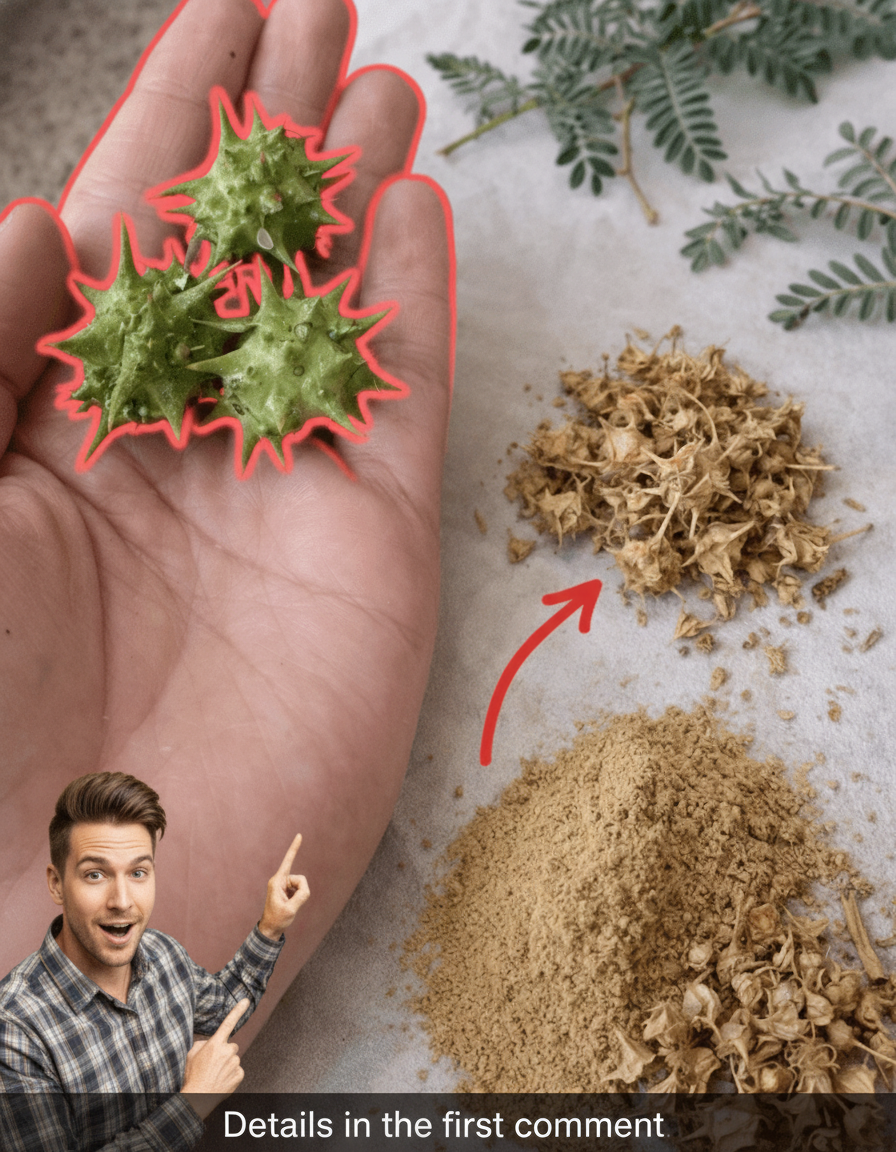
Once you have confidently identified and safely sourced Tribulus terrestris, you can explore various traditional methods for preparing it at home. These gentle preparations are inspired by centuries-old practices. Always begin with small quantities and carefully monitor your body’s response.
- Basic Herbal Infusion (Mild Tea)
This method offers the most delicate introduction to the plant’s properties.- Preparation: Gather young leaves or stems, wash them thoroughly, and allow them to air-dry in a shaded, well-ventilated area.
- Brewing: Add one teaspoon of the dried plant material to one cup of hot (but not boiling) water.
- Steeping: Let it steep for 10-15 minutes, then strain the liquid.
- Consumption: Sip once daily. This infusion was traditionally favored for gentle, everyday wellness support.
Tribulus Terrestris Fruit Leaves Tea Greek Mountain Herb – Lelex Tea
- Traditional Decoction from Fruits or Roots
For a more potent preparation, reminiscent of ancient boiling techniques.- Preparation: Use one teaspoon of carefully crushed dried fruits or roots.
- Simmering: Simmer the crushed material in 1 to 1.5 cups of water for 10-15 minutes.
- Consumption: Strain and consume no more than once a day, strictly for short durations. This process extracts a higher concentration of compounds, making caution paramount.
- Simple Powder Preparation
A time-honored method for incorporating small, precise doses.- Preparation: Ensure plant parts are completely dry, then grind them into a fine powder.
- Usage: Mix 1/4 to 1/2 teaspoon of the powder with warm water or honey.
- Dosage: Utilize sparingly, adhering to traditional small dosages.
- External Use Only: Warm Compress
Specifically for localized external comfort.- Preparation: Briefly boil fresh leaves or stems.
- Application: Soak a clean cloth in the cooled liquid and apply it as a compress to the affected area.
- Important: This preparation is strictly for external application and must never be ingested.
Key Safety Considerations When Exploring Tribulus Terrestris
Given the potent nature of Tribulus terrestris, traditional wisdom consistently underscores the importance of respect, caution, and moderation in its use. While research generally suggests it is well-tolerated for short-term consumption, individual physiological responses can vary significantly.
- Absolute Contraindications: It is strongly advised to avoid Tribulus terrestris entirely if you are pregnant or breastfeeding, as traditional sources consider its effects too potent during these sensitive periods.
- Duration of Use: Limit consumption to short cycles, typically a few weeks at a time, rather than continuous, long-term use.
- Monitor for Side Effects: Be vigilant for potential signs of overuse, which may include stomach upset, feelings of restlessness, or noticeable mood changes.
- Specific Health Conditions: Individuals with pre-existing kidney, liver, or hormone-sensitive conditions should strictly avoid using this herb without the explicit guidance and supervision of a qualified healthcare professional.
- Potential Drug Interactions: Tribulus terrestris may interact with certain medications, potentially affecting blood pressure, blood sugar levels, or other drug mechanisms. Always consult your doctor if you are on medication.
While studies generally highlight minimal side effects in the majority of users, it is important to acknowledge that rare adverse reactions can occur. Always prioritize your health and consult with a healthcare provider before incorporating any new herbal remedy into your routine.
A Quick Comparison of Tribulus Terrestris Preparation Strengths:
| Preparation Type | Strength Level | Traditional Use | Frequency | Best For |
|---|---|---|---|---|
| Mild Infusion | Gentle | Daily, mild support | Daily | Beginners |
| Decoction | Stronger | Occasional, short cycles | Short-term | Targeted traditions |
| Powder | Concentrated | Small doses only | Flexible | Flexible adding |
| External Compress | Topical only | As needed externally | As needed | External discomfort |