 By admin
 Unlocking Immune Harmony: The 2025 Nobel Prize Discovery on Self-Tolerance
Our immune system is an extraordinary guardian, constantly vigilant against a myriad of invaders like viruses, bacteria, and other pathogens. But what if this formidable defense mechanism, designed to protect us, mistakenly identifies our own healthy cells as threats? This internal misdirection is the hallmark of debilitating autoimmune diseases, conditions that impact millions globally, manifesting as persistent inflammation, chronic fatigue, and a profound sense of uncertainty. The relentless cycle of flare-ups and the quest for effective treatments can be both physically and emotionally draining.
However, pioneering scientific inquiry has illuminated a fundamental biological control that ensures the immune system maintains self-restraint, preventing it from attacking the very body it safeguards. This profound revelation, recognized in 2025 with the Nobel Prize in Physiology or Medicine, honored three distinguished scientists. Their collective work provides an unparalleled insight into the intricate balance of immune function, a discovery that continues to shape immunological research today. Join us as we explore how this “master regulator” has fundamentally transformed our understanding of the body’s protective systems.
The Immune System’s Intrinsic Self-Tolerance Mechanism
Imagine your immune system as a highly specialized security force, exceptionally adept at identifying and neutralizing external threats. Yet, without sophisticated internal checks and balances, this potent system could inadvertently turn its formidable power against the body’s own healthy cells. This crucial preventative measure is known as immune self-tolerance, a vital mechanism that ensures immune responses are directed solely at foreign invaders.
The foundational understanding of this concept was significantly advanced in the 1990s by Dr. Shimon Sakaguchi. He identified a distinct population of T lymphocytes, now recognized as regulatory T cells (Tregs). These specialized cells act as the immune system’s internal mediators, effectively dampening excessive immune activity and fostering physiological harmony. Dr. Sakaguchi’s pioneering experiments demonstrated that the absence of these cells in experimental models resulted in widespread autoimmune attacks on healthy tissues, unequivocally proving their indispensable role in preventing self-destruction. However, a critical question remained: what precisely orchestrates the development and precise function of these essential regulatory T cells?
Unveiling the Genetic Conductor: The FOXP3 Gene
The subsequent crucial piece of this immunological puzzle emerged in the early 2000s, thanks to the dedicated work of Dr. Mary E. Brunkow and Dr. Fred Ramsdell. Their research focused on a severe and uncommon autoimmune condition, IPEX syndrome, which predominantly affects young boys. This devastating disorder compels the immune system to launch aggressive assaults on multiple vital organs. Brunkow and Ramsdell’s investigations meticulously traced the underlying cause to specific mutations within a single gene: FOXP3.
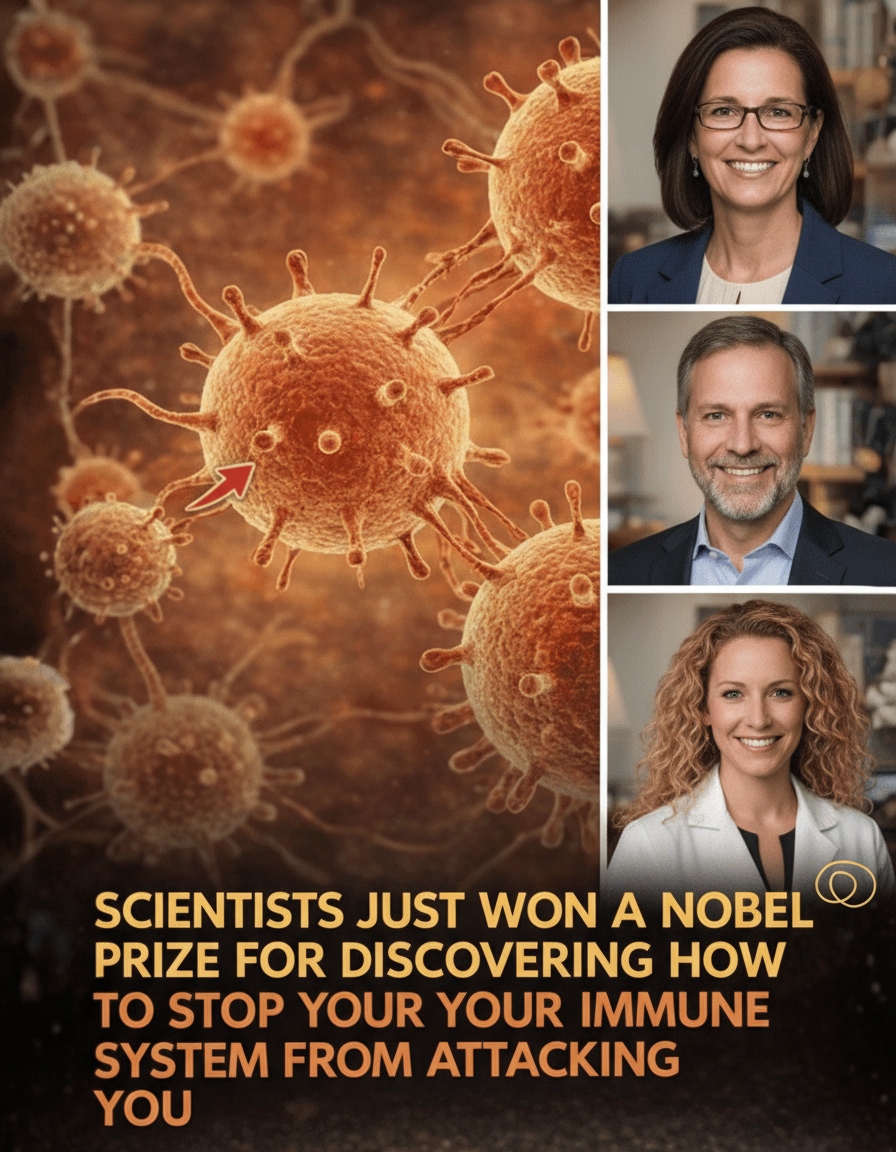
Their pivotal discovery revealed that the FOXP3 gene functions as the definitive genetic blueprint, orchestrating the proper development and functional integrity of regulatory T cells. A compromised or non-functional FOXP3 gene means these critical “braking” cells cannot mature correctly, leading to unrestrained immune responses and the onset of autoimmunity. This breakthrough seamlessly linked the prior findings: Dr. Sakaguchi had identified the crucial cell type, while Brunkow and Ramsdell uncovered the genetic “master switch” that governs its existence and activity. Collectively, these insights elucidated a central mechanism of the body’s intricate immune self-regulation.
Profound Implications for Immune Health and Beyond
These transformative discoveries fundamentally reoriented the field of immunology. The immune system is no longer perceived merely as an attack force, but rather as a sophisticated, exquisitely balanced network equipped with inherent self-protective mechanisms. Regulatory T cells play a crucial role not only in tempering post-infection inflammation but also in fostering enduring tolerance to the body’s intrinsic proteins. Ongoing research, building upon this foundational work, has significantly expanded our comprehension of immune equilibrium.
Investigations now suggest that irregularities in Treg function or anomalies in FOXP3 gene activity may correlate with a heightened vulnerability to specific chronic immune-mediated disorders. This critical understanding helps to elucidate why certain individuals grapple with persistent immune hyperactivity, while others maintain a stable immunological state. The impact of this Nobel-winning research resonates across several key areas of modern immunology:
- Clarifying Immune Dysregulation: It offers a robust biological framework for understanding the root causes behind instances where the immune system loses its critical self-control.
- Advancing Transplant Medicine: Enhanced insights into tolerance mechanisms are invaluable for developing strategies to mitigate organ transplant rejection, improving patient outcomes.
- Shaping Cancer Immunotherapy: The recognition that Tregs can suppress beneficial anti-tumor immune responses within the tumor microenvironment is guiding innovative approaches in cancer treatment.
- Deepening Autoimmune Understanding: This research underscores how defects in the immune self-regulation system are central to the pathogenesis of a wide spectrum of autoimmune challenges.
Everyday Strategies to Foster Immune Harmony
While no individual lifestyle choice can directly modify complex genetic regulators such as the FOXP3 gene, adopting healthy habits can significantly contribute to supporting overall immune system balance and resilience. Implementing a few evidence-backed practices into your daily routine can make a positive difference:
- Prioritize Quality Sleep: Aim for a consistent 7-9 hours of restful sleep each night. Ample research indicates that insufficient or disrupted sleep patterns can adversely affect immune cell function and activity.
- Embrace an Anti-Inflammatory Diet: Focus on incorporating a rich variety of fruits, vegetables, whole grains, and healthy fats (such as those found in olive oil, avocados, and nuts). These foods are packed with antioxidants and compounds known to reduce systemic inflammation, thereby supporting a well-regulated immune response.