 By admin
 Do your days sometimes feel like a monotonous blur, one indistinguishable from the next? This common sensation often leads to a persistent mental fogginess or a perceived decline in cognitive sharpness. While often attributed to aging, this feeling is frequently a direct result of the repetitive nature of our daily routines, which can render life uninspiring and dull. The exciting news is that by consciously injecting novel changes and fresh challenges into your life, you can actively foster a more engaged and adaptable brain. Read on to discover how simple shifts can profoundly enhance your cognitive well-being.
The Subtle Impact of Routine on Cognitive Function
The human brain is an extraordinary organ, inherently wired to flourish with diverse input and continuous learning. However, when we adhere rigidly to identical habits day in and day out – from our morning rituals to our commute routes – our brain tends to slip into an ‘autopilot’ state. While this automaticity can be efficient for mundane tasks, it significantly curtails the formation of crucial new neural pathways. Studies, including those supported by the National Institutes of Health, indicate that an overreliance on consistent routines can diminish mental agility and flexibility. In the absence of fresh stimuli, the brain prioritizes energy conservation over the exploration of new connections. This natural inclination isn’t a sign of dysfunction but rather the brain’s way of optimizing for familiarity. Yet, this efficiency comes at a cost: prolonged repetition can make experiences less distinct and memorable. Consider how rarely a truly ‘routine’ day stands out in your memory. This underscores a vital point: novelty is paramount for how we perceive the passage of time and for sustaining vibrant cognitive processes.
Why Predictable Patterns Can Influence Brain Agility
While a certain degree of predictability is essential for navigating our complex lives, minimizing the need for constant decision-making, an unbroken chain of identical days can have a distinct effect on our brains. When novelty is absent, the brain may begin to prune less-utilized neural pathways, a process neuroscientists often describe as optimizing for efficiency. This ensures that resources are allocated to the most frequently used functions. Intriguingly, research featured in the journal Nature Neuroscience points out that repetitive actions can foster ‘habitual behavior,’ where the brain operates predominantly on autopilot. This mode diminishes the necessity for active thought, which can, over time, make complex problem-solving feel more demanding. Crucially, without diverse inputs, the brain’s remarkable capacity for self-reorganization – known as neuroplasticity – receives less stimulation. Neuroplasticity, the ability to form new connections throughout our lives, thrives specifically on new challenges and varied experiences. Consequently, if your daily life becomes too uniform, you might perceive time accelerating, simply because fewer unique, memorable experiences are being cataloged.
The Power of Novelty for Sustaining Brain Resilience
Actively integrating new elements into your daily life can ignite the brain’s inherent growth mechanisms. Think of it as a vital workout for your mind, specifically designed to build cognitive strength and adaptability. Research from prestigious institutions like Harvard Medical School highlights how participation in novel activities can trigger the release of essential brain chemicals that bolster both learning capabilities and memory retention. This doesn’t necessitate a complete life overhaul; even minor adjustments, such as experimenting with a new culinary dish or choosing an alternative route for your daily commute, can yield significant benefits. The fundamental principle is to consistently offer your brain fresh reasons to expand and strengthen its neural networks. This is where the true excitement lies: consciously disrupting patterns of repetition actively encourages your brain to remain agile and dynamic. This perspective is strongly supported by findings in cognitive psychology, which consistently demonstrate that a diversity of experiences is key to preserving and enhancing mental sharpness.
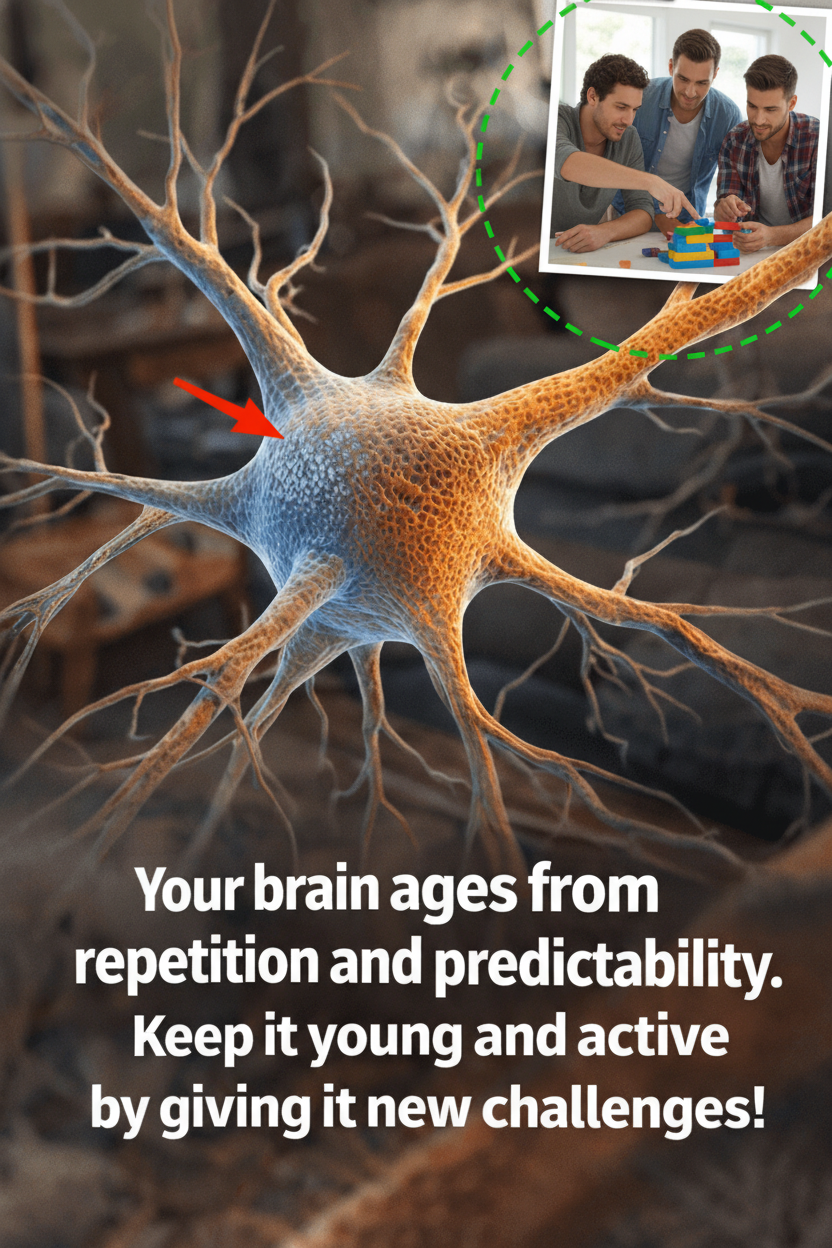
Key Benefits of Embracing Variety for Enhanced Brain Health
Incorporating diverse experiences into your routine offers a multitude of advantages for your cognitive well-being:
- Enhanced Memory Formation: Novel experiences create vivid, distinct memories, which can make your perception of time feel richer and more expansive.
- Sharpened Problem-Solving Abilities: Consistently challenging your brain with unfamiliar tasks builds crucial cognitive flexibility, a skill invaluable for navigating everyday complexities.
- Elevated Mood and Motivation: The introduction of novelty can naturally boost dopamine levels, fostering increased feelings of enjoyment, engagement, and energy.
- Greater Adaptability to Life Changes: Regularly venturing beyond your comfort zone primes your brain to respond more effectively and resiliently to unforeseen challenges and shifts in life.
These advantages are not merely conceptual; extensive longitudinal research, including impactful studies from the Rush Memory and Aging Project, consistently demonstrates a strong correlation between varied, stimulating lifestyles and sustained cognitive health throughout life.
Practical Strategies to Integrate Novelty and Stimulate Your Brain
Are you ready to actively cultivate a more vibrant and adaptable brain? Here are actionable, evidence-based tips, rooted in behavioral science, that you can begin implementing today to introduce stimulating novelty into your routine.
Start Small with Daily Tweaks: Begin by altering minor aspects of your day…