 By admin
 Ever notice that slightly fuzzy coating on your teeth at the end of the day? That’s dental plaque – a persistent, sticky bacterial biofilm that continuously forms within your mouth. Far from being just a cosmetic nuisance, if plaque isn’t regularly removed, it can calcify into stubborn tartar, trigger uncomfortable gum inflammation, and even contribute to more widespread health issues, including systemic inflammation. Research consistently highlights a connection between suboptimal oral hygiene, specifically plaque-related problems, and an elevated risk for cardiovascular diseases, often attributed to chronic low-grade inflammation and the spread of bacteria. The encouraging news is that maintaining consistent at-home oral care routines can significantly help manage plaque. What’s even more fascinating is that certain gentle, natural methods, utilizing readily available household items, have demonstrated potential in augmenting plaque reduction when integrated thoughtfully with your regular dental care. Continue reading to explore how minor adjustments, including these supportive techniques, can lead to noticeably fresher, cleaner teeth and a healthier smile.
Understanding Dental Plaque: A Deeper Look at Its Impact
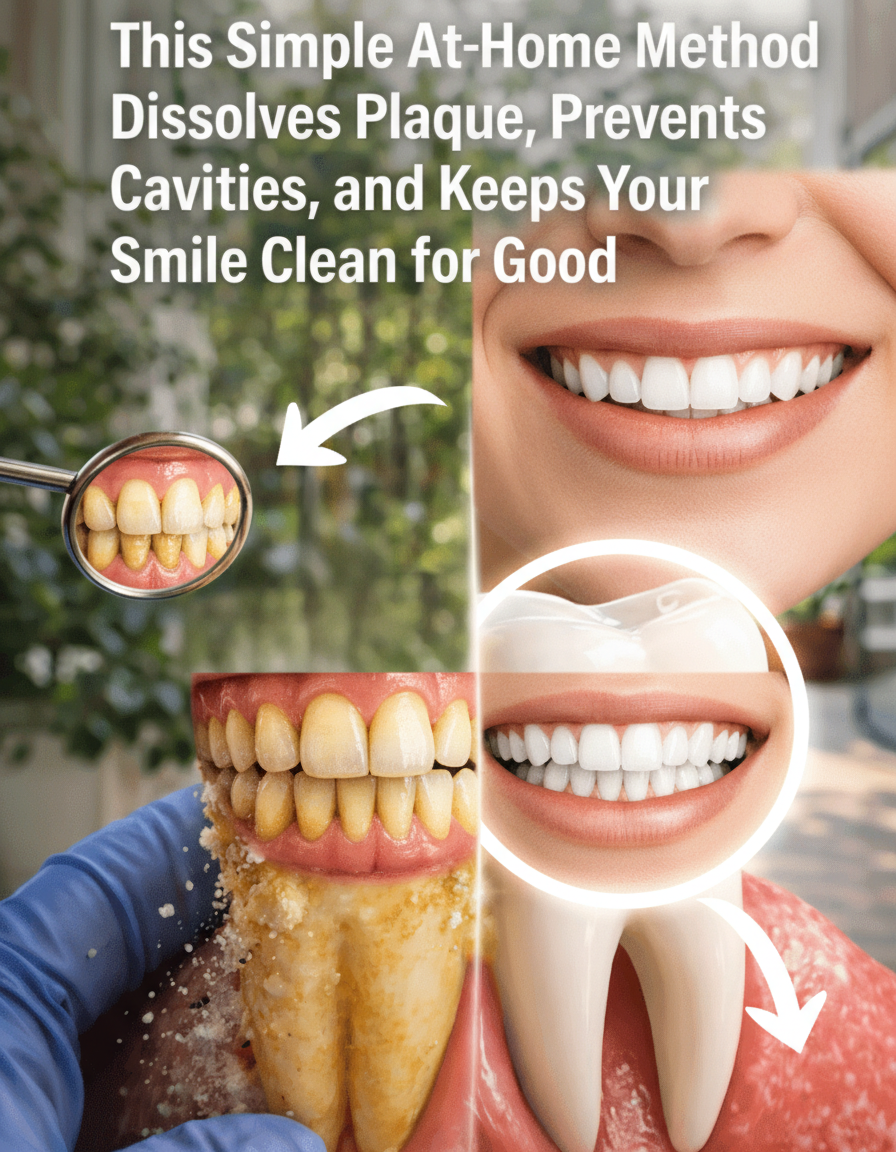
Dental plaque is essentially a soft, almost invisible film composed of bacteria that continually accumulates on tooth surfaces. This biofilm thrives on sugars and starches consumed through food, subsequently releasing acids that gradually erode and weaken tooth enamel. Beyond its superficial appearance, extensive research underscores that plaque is far from a minor surface problem. As a dynamic bacterial community, its unchecked presence can instigate gum inflammation, commonly known as gingivitis. Moreover, the chronic inflammation resulting from persistent plaque buildup has been linked in numerous studies to an elevated risk of cardiovascular issues. This connection is believed to stem from bacteria or inflammatory mediators potentially exacerbating vascular health complications. Even prominent organizations like the American Heart Association acknowledge the significant interplay between periodontal health and atherosclerotic cardiovascular disease, reinforcing the critical role of diligent oral hygiene in fostering overall well-being. The good news is that with consistent, proactive measures, plaque is entirely manageable, and you don’t require specialized equipment to begin protecting your oral health.
Proven Basics: Your Foundation for Plaque Control and a Healthy Mouth
Begin with the universally recommended practices that dental professionals advocate for daily oral care:
- Brush your teeth meticulously twice a day for a full two minutes. Always use a soft-bristled toothbrush and a fluoride toothpaste. Employ gentle, circular motions, paying close attention to the gumline for optimal cleaning.
- Integrate daily flossing into your routine. This crucial step allows you to access and remove food particles and plaque from between teeth and below the gumline, areas inaccessible to a toothbrush, preventing plaque from hardening into tartar.
- Maintain adequate hydration throughout the day and consider chewing sugar-free gum after meals. Both actions stimulate saliva production, which serves as your body’s natural rinse, helping to neutralize acids and wash away food debris.
These fundamental practices are the cornerstone of effective plaque management. While essential, incorporating additional supportive techniques can further elevate your routine, complementing rather than replacing regular professional dental guidance.
Exploring Baking Soda: A Gentle, Accessible Tool for Plaque Management
A widely adopted and accessible method many individuals integrate into their oral hygiene regimen involves using baking soda (scientifically known as sodium bicarbonate) during brushing. Baking soda is recognized for its mild abrasive qualities and its remarkable ability to neutralize harmful acids present in the mouth. Extensive research, including numerous systematic reviews and studies, suggests that toothpastes or homemade pastes formulated with baking soda can facilitate more effective plaque removal compared to their non-baking soda counterparts, both in immediate and some extended-use contexts. For example, studies often praise its gentle nature, noting its low abrasivity while still proving highly effective in disrupting bacterial biofilms when applied correctly. Here’s why baking soda is an excellent natural addition to your home dental care:
- It is remarkably affordable and readily accessible in most households.
- It actively contributes to creating a less acidic, healthier oral environment.
- When used judiciously (e.g., a few times a week, not daily, to prevent potential over-abrasion), it serves as an excellent complement to your regular fluoride toothpaste.
- Crucially, always ensure it is used in conjunction with fluoride to safeguard your tooth enamel. Many commercial toothpastes already incorporate baking soda precisely for these combined benefits.
However, baking soda isn’t the only beneficial habit worth exploring for enhanced oral health…
Oil Pulling: An Ancient Wellness Ritual Gaining Contemporary Attention
Another widely discussed and traditional at-home technique is oil pulling. This practice involves vigorously swishing an edible oil, such as coconut or sesame oil, around your mouth for a duration of 10 to 20 minutes before expelling it. While research is still emerging, some initial studies, particularly small-scale trials involving coconut oil, indicate that oil pulling might contribute to a reduction in harmful bacterial populations and lead to improved plaque scores when practiced consistently over several weeks. Certain comparative analyses have even noted its potential to yield effects similar to some commercial mouthwashes in terms of curbing plaque regrowth, although the scientific evidence remains somewhat varied, and it is not considered a substitute for diligent brushing and flossing. Many practitioners frequently report a distinct sensation of freshness in their mouth, and its accessibility makes it an appealing option, given that the necessary ingredients are often already present in most kitchens.
Step-by-Step: Integrating These Supportive Habits Safely into Your Routine
Eager to diversify and enhance your daily oral care? Here’s a straightforward, actionable guide to safely incorporate these beneficial practices:
Morning Oil Pulling (An Optional Enhancement)
- Begin with 1 tablespoon of edible oil, such as coconut or sesame oil. If using coconut oil, a solid state is perfectly acceptable as it will quickly liquefy in your mouth.
- Gently swish the oil around your mouth for approximately 10 to 15 minutes. This can be done conveniently while you’re engaged in other morning preparations. It is crucial NOT to swallow the oil, as it will contain toxins and bacteria.
- After swishing, spit the oil into a trash can (avoid spitting it into the sink to prevent potential plumbing clogs). Then, proceed with your regular brushing and flossing routine as usual.
Incorporating Baking Soda (A Complementary Practice)
- On days you choose to use baking soda (e.g., 2-3 times per week, not daily), moisten your toothbrush.
- Dip the wet toothbrush into a small amount of pure baking soda, or mix a pinch with your regular fluoride toothpaste.
- Brush your teeth gently as you normally would for two minutes. The mild abrasive action will assist in plaque removal and acid neutralization.
- Rinse your mouth thoroughly afterward. Always remember to use fluoride toothpaste for your primary brushing to ensure enamel protection.
Final Thoughts: Cultivating a Lifetime of Oral Wellness
Adopting these simple yet impactful daily habits—from foundational brushing and flossing to supportive practices like using baking soda or oil pulling—can profoundly influence your oral health. By consistently managing plaque buildup, you not only ensure a fresher, healthier smile but also contribute significantly to your overall well-being. Remember, while these at-home methods are powerful allies, they are best used in conjunction with regular dental check-ups and professional cleanings. Prioritize your oral health, and your body will thank you!