 By admin
 Unlock Your Beauty Potential: The Ancient Secret of Rice Water for Hair & Skin Care
Imagine discovering a hidden gem right in your kitchen, an unassuming liquid often discarded without a second thought – the cloudy water left after rinsing or soaking rice. While many might pour it down the drain, this humble byproduct has been a treasured natural elixir in daily self-care routines across parts of Asia for centuries. Yet, in our modern world, it’s often overlooked, leading us to spend on expensive commercial products when a remarkably budget-friendly and effective option sits readily available.
The frustration is real: battling dry, dull hair that resists styling, or experiencing tight, irritated skin after a long day. Commercial solutions promise much, but results vary, and costs quickly accumulate. What if a gentle, time-tested approach, easily prepared at home, could seamlessly integrate into your beauty regimen? Keep reading, because we’re about to unveil practical ways people have safely incorporated this natural wonder – plus a surprising preparation twist that could revolutionize your routine.
The Timeless Appeal of Rice Water in Global Beauty Traditions
Rice water is far from a fleeting trend; it’s an ancient practice deeply embedded in daily life and cultural heritage. Consider the women of the Red Yao community in rural China, renowned for maintaining exceptionally long, healthy-looking hair well into old age, a feat they often attribute to their consistent use of fermented rice water as part of their washing ritual. Similarly, during Japan’s Heian period, over a millennium ago, aristocratic women relied on this very liquid to nurture their lengthy tresses and preserve their smooth, radiant complexions.
These enduring traditions underscore how something as simple as rice rinse water transcended mere kitchen waste to become a beauty staple. While personal anecdotes and cultural folklore are abundant, a renewed modern interest has sparked scientific curiosity into why this practice has persisted and thrived across diverse cultures for so long.
Understanding the Science: Key Natural Components in Rice Water
When rice undergoes soaking or rinsing, it naturally releases a wealth of beneficial compounds into the water. Here’s a closer look at what research and observations commonly highlight:
- Starch: This is what gives rice water its characteristic milky appearance. When applied, it may provide a light, protective coating, contributing to a smoother feel for hair and skin.
- Inositol: A naturally occurring carbohydrate, inositol has been linked in some studies to supporting improved hair elasticity, enhancing shine, and potentially aiding in cellular repair.
- Ferulic Acid: A potent antioxidant found in rice, ferulic acid offers protective qualities against daily environmental stressors like UV radiation and pollution, which can contribute to signs of aging.
- Amino Acids and Vitamins: Rice water contains small amounts of B vitamins (like niacin and thiamine) and proteins, which can offer gentle nourishment to both hair follicles and skin cells.
While direct, large-scale clinical trials specifically on plain rice water are still emerging, studies on rice-derived ingredients, such as rice bran extracts, strongly suggest their potential for improving hair strength, promoting healthy hair cycles, and soothing scalp discomfort in various formulations. For skin, anecdotal use and some laboratory observations indicate its ability to calm irritation, reduce redness, and provide gentle hydration. But there’s more to explore…
Plain vs. Fermented: Which Rice Water Suits Your Beauty Needs?
Not all rice water is created equal. The basic version is derived from a quick soak or rinse, while the fermented kind involves a longer resting period. Many enthusiasts favor fermentation, believing that this natural microbial process can enhance and concentrate certain beneficial compounds, including antioxidants and amino acids, making them more bioavailable.
Here’s a quick comparison to help you choose:
Plain Rice Water
- Preparation Time: Quick to make (30 minutes or less).
- Characteristics: Milder scent and lighter texture.
- Best For: Ideal for beginners testing the waters, or for those with sensitive skin/scalp.
- Common Uses: Often used as a final hair rinse, a light facial toner, or a quick skin refresher.
Fermented Rice Water
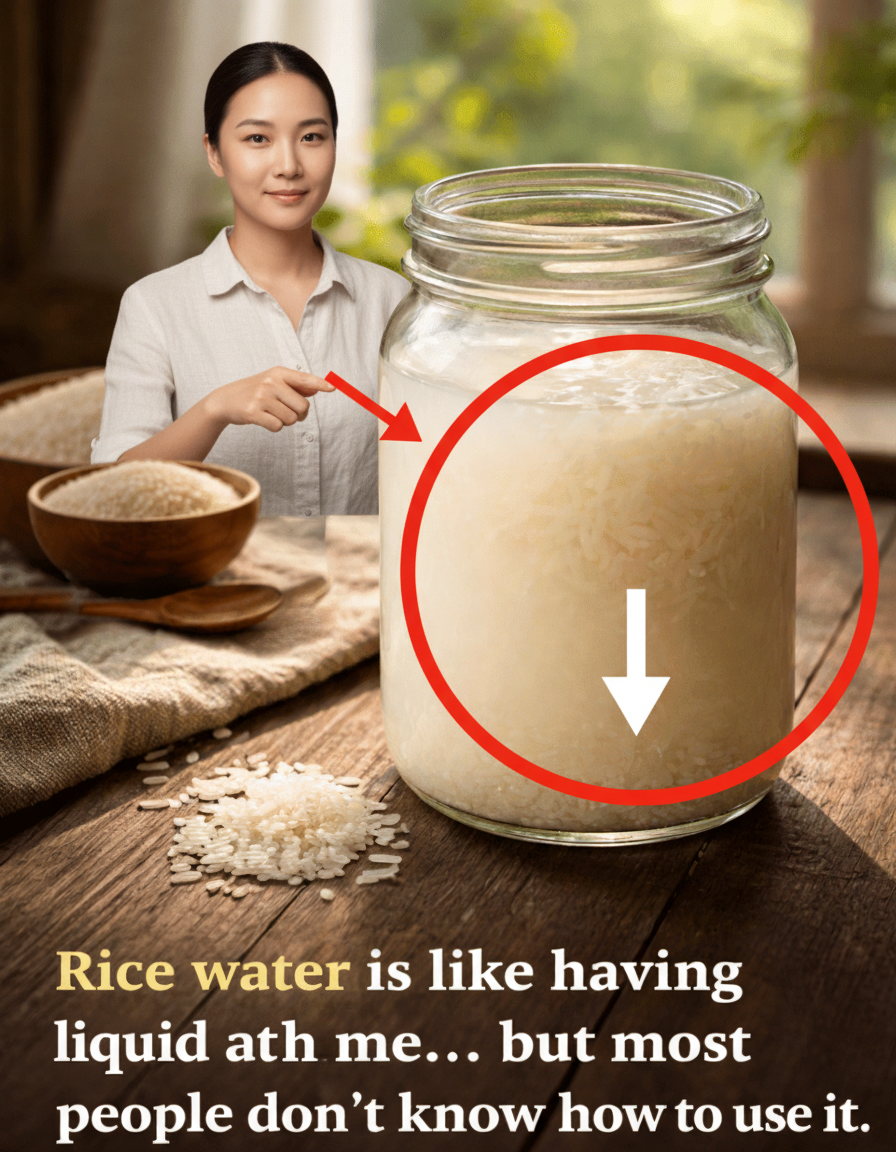
- Preparation Time: Requires 1–3 days at room temperature for fermentation.
- Characteristics: Distinctly tangy or slightly sour smell (reminiscent of mild yogurt) and a richer consistency.
- Best For: Those seeking potentially enhanced benefits, especially popular in traditional long-hair growth routines.
- Common Uses: Deep conditioning hair treatments, scalp masks, and more intensive skin applications (after dilution).
The choice ultimately depends on your personal preference, available time, and desired intensity of benefits. Both methods offer a low-commitment way to experiment with this natural beauty secret.
Step-by-Step: How to Prepare Your Own Rice Water at Home
Ready to experience the benefits? Here’s a straightforward method using common kitchen tools. It’s always a good idea to start small to see how your hair or skin responds.
Basic Rinse Method (Quick Version)
- Measure Rice: Take ½ cup of uncooked rice (white, brown, or jasmine – organic is preferred if possible).
- Initial Rinse: Rinse the rice thoroughly under clean running water 2–3 times. This removes any dust, dirt, or excess starch.
- Soak: Place the rinsed rice in a clean bowl and cover it with 2–3 cups of fresh, filtered water.
- Steep: Stir gently and allow it to soak for a minimum of 30 minutes, or up to an hour. The water will become cloudy.
- Strain & Store: Strain the cloudy water into a clean, airtight jar.
- Usage & Storage: Use immediately or store in the refrigerator for up to 2 days to maintain freshness.
Fermented Version (Traditional Style)
- Prepare Initial Soak: Follow steps 1–5 from the Basic Rinse Method to obtain the initial rice water.
- Ferment: Pour this initial rice water into a clean glass jar. Cover it loosely with a lid or cloth (allowing some airflow) and leave it at room temperature (e.g., 68-75°F or 20-24°C) for 12 to 48 hours.
- Check for Fermentation: Periodically check for a slightly sour, fermented smell, similar to mild yogurt. The warmer the environment, the faster it will ferment. Avoid any overly foul or rotten smells, which indicate spoilage.
- Dilute Before Use: Once fermented to your liking, dilute 1 part fermented rice water with 2–3 parts plain water before applying. This is crucial as fermented rice water can be potent.
- Refrigerate & Use: Store the diluted fermented rice water in the refrigerator and use it within a week for optimal quality.
How to Incorporate Rice Water into Your Beauty Routine
Once you’ve prepared your rice water, here’s how you can integrate it into your hair and skin care regimen:
For Hair Care:
- Hair Rinse: After shampooing and conditioning, pour diluted rice water over your hair and scalp. Gently massage it in for a few minutes, then rinse thoroughly with plain water. Use 1-2 times a week for shine and strength.
- Scalp Treatment: For a more targeted approach, apply diluted fermented rice water directly to your scalp using a spray bottle or cotton ball. Leave it on for 15-20 minutes before rinsing. This can help soothe irritation and promote a healthy scalp environment.
- Leave-In Treatment (Diluted): For some hair types, a very diluted rice water spray can be used as a light leave-in conditioner or detangler. Always patch test first.
For Skin Care:
- Facial Toner: After cleansing, soak a cotton pad with plain or diluted fermented rice water and gently wipe it over your face and neck. This can help minimize pores, balance skin tone, and provide hydration.
- Facial Mask: Soak a thin sheet mask or cotton pads in rice water and apply them to your face for 10-15 minutes. This can offer a calming and brightening effect.
- Bath Soak: Add a cup of rice water to your bath for a full-body skin softening and soothing experience.
Embrace the Simplicity of Natural Beauty
The journey to radiant hair and glowing skin doesn’t always require expensive products or complex treatments. Rice water stands as a testament to the power of simple, natural ingredients that have stood the test of time. By understanding its components and preparing it correctly, you can unlock a world of benefits for your beauty routine.
Whether you opt for the quick, gentle plain version or the more potent fermented elixir, incorporating rice water offers a budget-friendly and effective path to supporting healthier hair and calmer skin. Experiment with both, observe how your body responds, and rediscover the ancient wisdom that lies within your pantry. Your hair and skin will thank you!