 By admin
 Unlock Vitality: 3 Critical Nutritional Mistakes After 50 & Simple Solutions for Healthy Aging
Reaching the age of 50 often marks a period of significant life changes and, importantly, shifts in our body’s nutritional needs. As we age, physiological processes, such as digestive efficiency and nutrient absorption, can naturally decline. Factors like reduced stomach acid production and evolving dietary patterns mean that essential vitamins and minerals may not be assimilated as effectively as they once were. Studies consistently reveal that a substantial number of adults in this demographic experience deficiencies in key nutrients, which can manifest as persistent fatigue, muscle aches, and even impaired cognitive function—symptoms often dismissed as typical signs of aging. In fact, surveys indicate that over 40% of individuals over 50 report such midlife complaints.
These nutritional gaps don’t appear suddenly; they accumulate subtly over time. What might begin as a slight dip in energy can gradually escalate into genuine frustration, impacting your ability to enjoy hobbies, spend quality time with family, or even manage simple daily activities without feeling drained. The good news is that many of these challenges can be effectively addressed through mindful dietary adjustments and lifestyle choices, often leading to significant improvements without the need for drastic measures. However, understanding the specific pitfalls is crucial. Let’s explore three prevalent nutritional oversights, supported by scientific research and real-world experiences, that commonly affect individuals embarking on their second half-century.
Mistake #1: Underestimating Magnesium – The Crucial Mineral for Muscle & Energy
Magnesium is an extraordinary mineral, playing a pivotal role in over 300 biochemical reactions throughout the body. Its functions are vast, encompassing critical areas like muscle relaxation, optimal nerve transmission, and the production of sustained energy. Despite its importance, a significant number of adults over 50 frequently consume less than the recommended daily intake, partly because its absorption efficiency tends to diminish with age. Research highlights magnesium’s impact on various health outcomes; for instance, some analyses indicate that a higher magnesium intake may be linked to a slight but meaningful reduction in certain cardiovascular risks, such as a potential 2% decrease in stroke risk for every 100mg daily increase.
When magnesium levels are insufficient, individuals often experience tell-tale signs such as involuntary muscle twitches, bothersome cramps (particularly disruptive nocturnal leg cramps), or a pervasive sense of fatigue. Take Sarah, a 65-year-old former teacher, who struggled with restless nights due to persistent leg cramps. By consciously incorporating magnesium-rich foods like leafy green salads and a daily handful of nuts into her diet, she noticed a remarkable improvement in her sleep quality and felt a noticeable boost in her daytime energy. These modest dietary adjustments yielded substantial positive results.
To easily boost your magnesium intake, consider these excellent food sources:
- Spinach (cooked or raw): An incredibly versatile and nutrient-dense leafy green.
- Almonds or Cashews: Perfect for a quick, satisfying snack.
- Avocados: A creamy, healthy fat addition to any meal.
- Pumpkin Seeds: Great sprinkled over yogurt, oatmeal, or salads.
- Dark Chocolate (70%+ cocoa): A delicious treat in moderation (around 1 ounce).
Expert Tip: Don’t try to overhaul your diet overnight. Begin by making small, consistent changes—perhaps adding a side of spinach to your dinner or enjoying almonds as a mid-morning snack. Pay attention to how your body, particularly your muscles and energy levels, responds over a few weeks. Furthermore, magnesium’s benefits are often amplified when paired with another vital nutrient that many people overlook…
Mistake #2: Neglecting Vitamin D – The Essential Nutrient for Mood & Bone Health
Often referred to as the “sunshine vitamin,” Vitamin D is indispensable for numerous bodily functions beyond just bone health. It plays a crucial role in facilitating calcium absorption, bolstering the immune system, and contributing significantly to stable mood and sustained energy levels. For individuals over 50, deficiencies are particularly common, largely due to reduced outdoor activity, living in regions with limited sunlight exposure, and the skin’s decreased efficiency in synthesizing Vitamin D with age. Extensive research underscores the connection between optimal Vitamin D levels and enhanced overall well-being, including its supportive role in maintaining vitality and cognitive sharpness.
Insufficient Vitamin D can manifest in subtle yet impactful ways, such as chronic leg fatigue, noticeable dips in mood, or feeling disproportionately exhausted. Consider Michael, a 70-year-old who frequently felt sluggish and struggled with seasonal low moods. After incorporating regular, brief periods of safe sun exposure and increasing his intake of Vitamin D-rich foods like wild salmon, he experienced a remarkable uplift in his spirits and energy. His family even remarked on his improved cheerfulness and renewed enthusiasm.
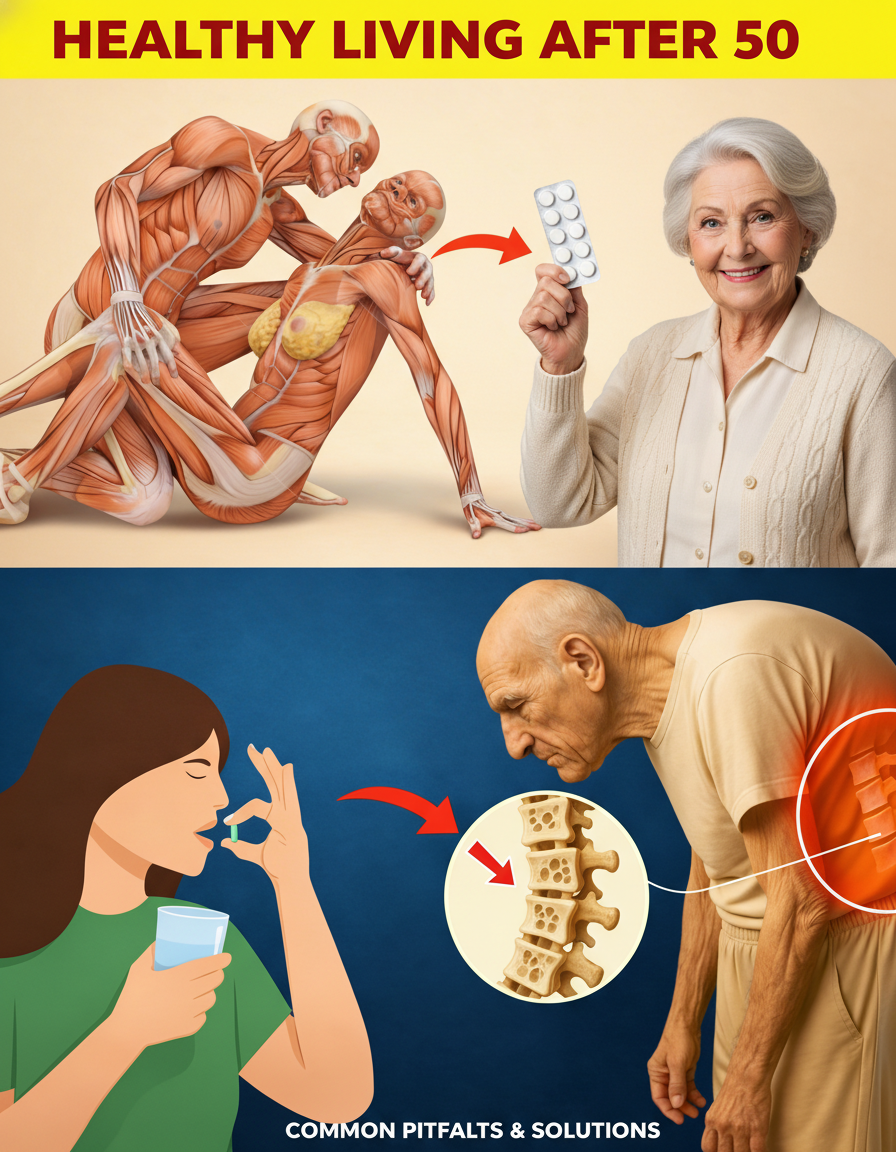
Here are effective strategies to naturally elevate your Vitamin D levels:
- Controlled Sun Exposure: Aim for 15-20 minutes of midday sun on exposed skin (like arms and face), when safe and without risking sunburn.
- Fatty Fish: Include options like salmon, mackerel, and sardines in your diet.
- Fortified Foods: Look for milk, plant-based alternatives, and cereals fortified with Vitamin D.
- Egg Yolks: A natural, albeit smaller, source of Vitamin D.
Pro Insight: Maximize the benefits by combining your sun exposure with a brisk walk. This dual approach not only aids Vitamin D synthesis but also provides additional mood-boosting and physical activity advantages. Imagine the cumulative effect when these two vital nutrients are complemented by yet another powerhouse…
Mistake #3: Overlooking Vitamin B12 – Essential for Nerve Health & Mental Clarity
Vitamin B12 is absolutely critical for maintaining robust nerve health, facilitating the production of healthy red blood cells, and supporting sharp mental acuity. However, for many individuals over the age of 50, the absorption of B12 from food sources can become significantly impaired. This is frequently due to factors such as decreased stomach acid production (which is necessary to release B12 from food proteins) or the use of certain medications that interfere with its uptake. Consequently, even a diet rich in B12 might not be sufficient for some older adults.
Research consistently highlights that a considerable percentage of older adults could benefit from increased attention to their B12 status, with estimates suggesting that 20% or more in this age group may have suboptimal levels. Deficiencies can manifest as persistent fatigue, disconcerting memory lapses, or generalized weakness, profoundly affecting daily life and cognitive function. Consider David, a 60-year-old accountant, who found himself struggling with concentration and feeling unusually tired. After focusing on B12-rich foods such as fortified cereals, lean poultry, and dairy products, he reported a marked improvement in his focus and sustained energy throughout his workday, helping him remain sharp and productive.
To ensure adequate Vitamin B12 intake and absorption, prioritize these sources:
- Eggs and Lean Poultry: Excellent animal-based sources.
- Fish: Varieties like salmon and tuna are particularly rich.
- Fortified Breakfast Cereals: A convenient way to boost intake, especially for vegetarians.
- Dairy Products: Milk and yogurt provide bioavailable B12.
Smart Strategy: Enhance the absorption of dietary B12 by consuming it alongside foods rich in Vitamin C, such as citrus fruits. Vitamin C can help protect B12 and improve its bioavailability. Now, let’s bring all these crucial insights together with a concise comparison:
Quick Comparison: Bridging Your Nutritional Gaps After 50
| Nutrient | Common Signs of Shortfall | Why It Matters After 50 | Easy Food Fixes |
|---|---|---|---|
| Magnesium | Muscle cramps, twitches, persistent fatigue, restless sleep. | Essential for muscle function, nerve health, energy production, and relaxation. Absorption declines with age. | Spinach, almonds, avocados, pumpkin seeds, dark chocolate. |
| Vitamin D | Low mood, chronic fatigue, tired legs, weakened immune response. | Crucial for bone density, immune system strength, mood regulation, and cognitive vitality. Skin synthesis decreases with age. | Safe sun exposure, fatty fish (salmon), fortified milk/cereals, egg yolks. |
| Vitamin B12 | Memory lapses, persistent fatigue, generalized weakness, nerve issues. | Vital for nerve health, red blood cell formation, and mental sharpness. Absorption often hindered by lower stomach acid. | Eggs, lean poultry, salmon/tuna, fortified cereals, dairy products. |
By understanding these three common nutritional deficiencies and proactively addressing them with simple, food-first strategies, you can significantly enhance your energy levels, sharpen your mind, and support your overall well-being as you navigate the journey of healthy aging. Small, consistent dietary adjustments can lead to profound improvements in your quality of life. Don’t wait—empower yourself with better nutrition today!