 By admin
 For many, the large, central stone of an avocado is an immediate candidate for the bin once the creamy flesh has been scooped out for guacamole, salads, or toast. This routine disposal often means overlooking a significant portion of the fruit—up to 20% or even more by weight. But what if this seemingly worthless kernel harbored a wealth of natural compounds, currently under scientific scrutiny for their potential contributions to overall health and wellness?
Intriguing new research indicates that avocado seeds, or pits, are far more than just waste; they are packed with bioactive elements deserving of our attention. While the avocado’s vibrant green flesh rightfully earns praise for its healthy fats and vitamins, its often-discarded seed presents a distinct nutritional profile. This unique composition could offer surprising complementary benefits to a healthy lifestyle. Join us as we explore the hidden potential of the avocado seed and a simple, safe method to integrate it into your routine.
What Makes Avocado Seeds a Nutritional Powerhouse?
Despite their size, avocado seeds have historically been overlooked in favor of the fruit’s creamy, nutrient-rich flesh. However, scientific investigations are now revealing that these seeds boast a unique and potent nutritional composition distinct from the pulp.
Studies consistently show that avocado seeds are abundant in a diverse array of beneficial plant compounds, including powerful phenolic substances, flavonoids, and various other phytochemicals. These natural elements are largely responsible for the seed’s impressive antioxidant capabilities, particularly demonstrated in laboratory environments. Antioxidants are crucial for helping the body counteract daily oxidative stress and bolster its inherent defense systems.
Beyond their antioxidant prowess, preliminary research—conducted primarily through animal and in vitro (test-tube) studies—suggests broader potential health benefits. These include supportive effects on maintaining healthy cholesterol levels, assisting with blood sugar regulation, and modulating inflammatory responses. For example, some studies utilizing avocado seed extracts have observed positive impacts on reducing LDL (“bad”) cholesterol in animal subjects, while others have noted their influence on promoting blood vessel relaxation, a factor associated with healthy blood pressure.
The Science Behind Key Bioactive Compounds
Researchers have pinpointed several critical bioactive components within avocado seeds, such as catechins, procyanidins, and various phenolic acids. These compounds are the subject of intense ongoing study due to their robust antioxidant activity across numerous scientific assays.
A comprehensive review of multiple studies highlighted that extracts derived from avocado seeds display properties that may help mitigate oxidative stress and support metabolic health in preclinical models. Furthermore, laboratory explorations have uncovered the anti-inflammatory potential within these extracts, a discovery of significant interest given the established link between chronic, low-grade inflammation and numerous modern wellness concerns.
It is important to note that while these findings provide an exciting and promising foundation, they largely originate from in vitro and animal research. Human clinical trials are still limited, and experts stress the necessity for further investigation to fully comprehend how these compounds function within the human body when consumed as part of a regular diet.
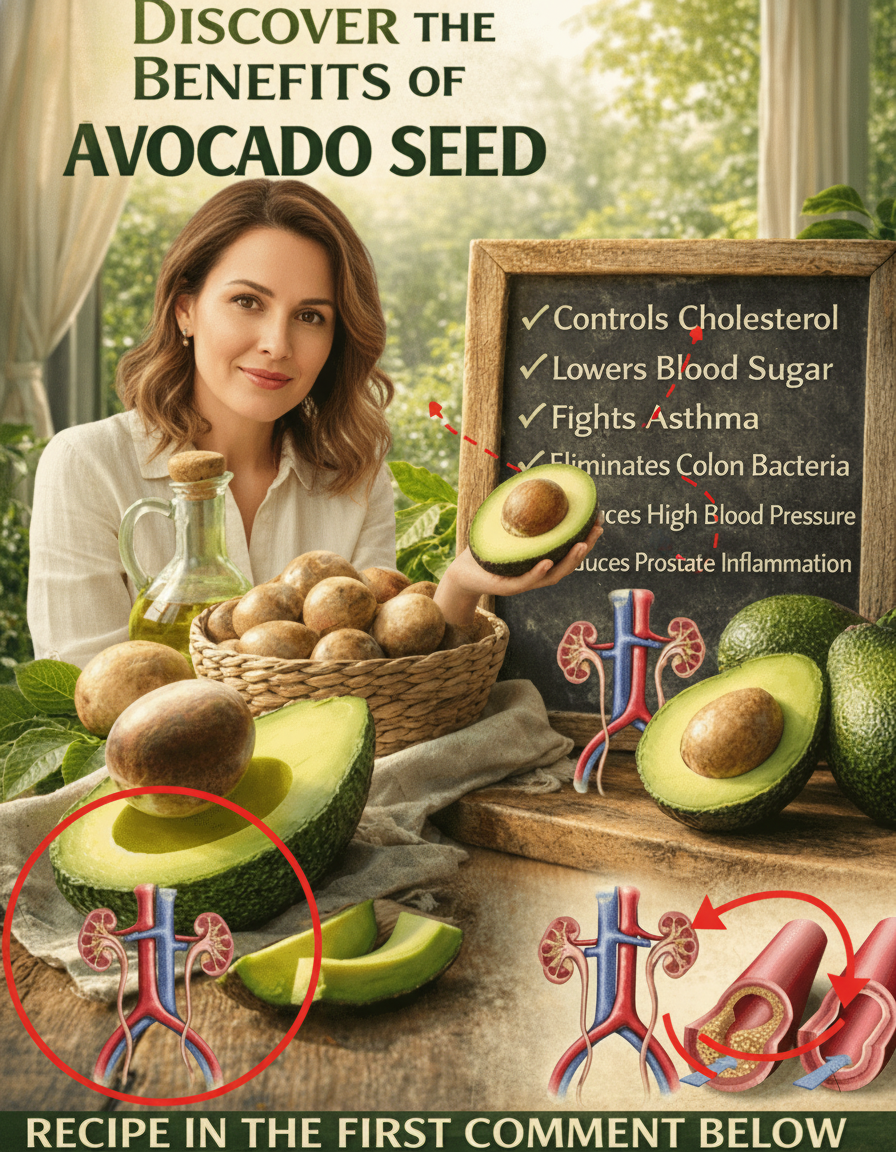
Summary of Potential Benefits:
- Potent Antioxidant Support: Lab tests frequently reveal the high capacity of avocado seed extracts to neutralize harmful free radicals.
- Metabolic Health Insights: Animal studies hint at influences on energy balance and markers related to weight management.
- Modulation of Inflammatory Response: Preliminary data suggests a possible role in regulating inflammation pathways.
What’s truly remarkable is that these potent compounds aren’t merely theoretical constructs; they are naturally occurring within an item commonly found and discarded in most household kitchens.
Exploring the Broader Wellness Potential of Avocado Seeds
Emerging scientific observations indicate that avocado seeds may contribute to a holistic approach to health and wellness. Let’s delve into some specific areas:
- Cardiovascular Health: Animal research has connected components found in avocado seeds to improved cholesterol profiles and enhanced blood vessel function. When incorporated into a heart-healthy diet, these seeds could potentially support overall cardiovascular wellness.
- Blood Glucose Management: Preclinical investigations have explored how avocado seed extracts might impact glucose levels, providing avenues for further research into maintaining stable energy levels throughout the day.
- Comprehensive Antioxidant Boost: The significant concentration of phenolic compounds within the seeds can contribute to robust cellular protection, helping the body defend against everyday environmental and internal stressors.
It is crucial to reiterate that these promising observations are primarily derived from studies involving highly concentrated extracts in controlled laboratory and animal settings, rather than from typical daily consumption of the whole seed. Therefore, individual results and guaranteed effects cannot be assumed. Nevertheless, the inherent nutrient density of the avocado seed positions it as an exciting subject for those interested in exploring whole-food dietary enhancements.
How to Safely Prepare and Incorporate Avocado Seeds at Home
If the intriguing potential of avocado seeds has captured your interest, proper preparation is paramount. Raw avocado seeds are notably hard, possess a bitter taste, and are not suitable for direct consumption. Here’s a simple, safe, and step-by-step method to transform an avocado pit into a more usable form for dietary exploration:
- Collect and Clean: Once you’ve enjoyed the creamy avocado flesh, thoroughly rinse the pit under running water to remove any remaining pulp or residue. Gently pat it dry with a clean cloth or paper towel.
- Dry Thoroughly: This step is crucial for making the seed easier to process. You can air-dry the pit on a windowsill for several days until it’s completely dry and the outer skin begins to peel or crack. Alternatively, for a faster method, bake the pit at a low temperature (e.g., 250°F or 120°C) for about 1-2 hours, or until it’s dry and brittle.
- Remove Outer Skin (Optional): Once dried, the thin, dark outer skin may become loose and easy to peel off. While not strictly necessary, removing it can result in a finer powder.
- Chop or Grate: Use a sharp, heavy-duty knife to carefully chop the dried seed into smaller, manageable pieces. Alternatively, a strong grater can be used.
- Blend into Powder: Transfer the chopped or grated pieces to a high-powered blender or food processor. Blend until you achieve a fine powder. This may take a few minutes, with pauses to scrape down the sides.
- Store Properly: Store the avocado seed powder in an airtight container in a cool, dark place. It can last for several weeks.
- How to Use: A small amount (e.g., 1/2 to 1 teaspoon) of avocado seed powder can be added to smoothies, green juices, or even mixed into oatmeal. Its slightly bitter, earthy flavor is often masked well in stronger-flavored preparations.
Important Note: While generally considered safe in small quantities, avocado seeds contain tannins and other compounds. Always start with a very small amount to assess your tolerance. Consult with a healthcare professional before making significant dietary changes, especially if you have underlying health conditions or are pregnant or breastfeeding.