 By admin
 Unlock Radiant Skin: The Potential of a DIY Yogurt and Yeast Face Mask for Ageing Complexions
As time progresses, many individuals observe noticeable shifts in their skin, including increased dryness, a lack of luminosity, or a diminished smooth texture. These prevalent concerns can often lead to frustration, particularly when numerous skincare products fail to deliver the anticipated results. But what if the answer to a more vibrant complexion could be found in your own kitchen? This comprehensive guide delves into the promising advantages of a natural, homemade face mask crafted from common ingredients: yogurt and yeast. Supported by current research, we’ll uncover why these components are gaining traction in the skincare world, provide straightforward recipes you can easily prepare, and offer essential tips for safe application. Continue reading to understand how this accessible beauty ritual can seamlessly integrate into your personal wellness regimen.
Understanding Common Skin Changes with Age
The natural aging process brings about inherent changes in our skin. Factors such as decreased moisture retention and a slower rate of cellular renewal can result in a less refined texture and a reduction in natural glow. Scientific studies further highlight the impact of external elements like environmental pollutants and oxidative stress on these noticeable alterations. Intriguingly, research suggests that lactic acid, a key component in yogurt, may facilitate a gentle exfoliating action, assisting in the removal of dead skin cells. This process can gradually lead to a softer, more refined skin surface. And the benefits don’t stop there—combining yogurt with yeast introduces an exciting synergy for enhanced skin support.
Why Yogurt Stands Out in Natural Skincare
Plain yogurt, particularly varieties like Greek or full-fat options rich in live cultures, is a powerhouse of beneficial compounds, including probiotics and lactic acid. These active ingredients have garnered significant attention for their potential topical applications. Lactic acid, for example, is recognized as a mild alpha-hydroxy acid (AHA) that encourages skin cell turnover and rejuvenation. Reputable sources such as Healthline and PubMed reviews indicate its capacity to enhance skin hydration and promote a more luminous complexion without causing harsh irritation. Furthermore, the probiotics present in yogurt are believed to help calm and comfort the skin’s surface. Both anecdotal evidence and preliminary studies suggest that these beneficial bacteria can foster a balanced skin microbiome, which is intrinsically linked to a more serene and healthy-looking complexion. Here’s a summary of yogurt’s primary skin-supporting elements:
- Lactic Acid: Facilitates mild exfoliation and helps the skin retain essential moisture.
- Probiotics: Potentially alleviate skin irritation and reinforce the skin’s natural protective barrier.
- Zinc and Vitamins: Offer vital nourishment, contributing to overall skin vitality.
One of its most appealing attributes is its mild nature, making it suitable for consistent application across a wide range of skin types.
The Role of Yeast in Supporting Skin Health
Yeast, especially the extracts derived from common baker’s yeast or nutritional yeast, is a treasure trove of beneficial components such as B vitamins, essential minerals, and potent beta-glucans. These beta-glucans, specifically sourced from yeast, have attracted considerable interest within the skincare industry due to their remarkable soothing and deeply hydrating capabilities. Scientific investigations underscore beta-glucans’ efficacy in several key areas:
- Significantly boosting skin’s moisture content.
- Delivering robust antioxidant defense against daily environmental aggressors.
- Supporting the skin’s natural recovery processes and enhancing its firmness.
It’s no surprise that numerous leading cosmetic formulations now feature yeast-derived ingredients to harness these advantages. By incorporating food-grade yeast into a homemade mask, you can deliver these identical nourishing compounds directly to your skin. This thoughtful pairing of yogurt and yeast culminates in a potent yet gentle blend, easily prepared in the comfort of your own home.
Potential Benefits of a Yogurt and Yeast Face Mask
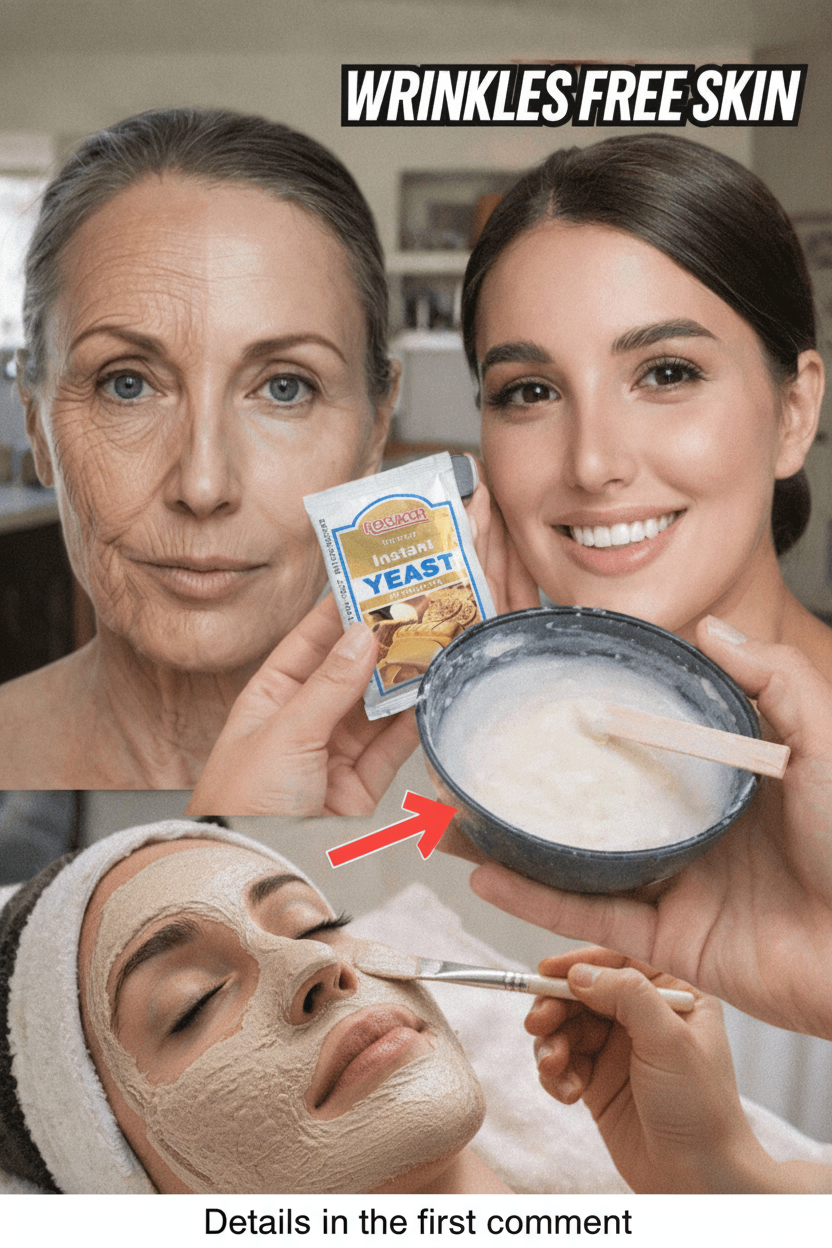
Individuals are increasingly drawn to this particular face mask due to its straightforward preparation and its inherent natural benefits. Below, we’ve outlined some frequently cited advantages, each supported by broader research pertaining to its constituent ingredients:
| Potential Advantage | Mechanism of Action | Underlying Scientific Rationale |
|---|---|---|
| Subtle Exfoliation | Gently lifts away dull, dead skin cells, promoting a silkier texture. | The mild action of lactic acid found in yogurt. |
| Enhanced Moisture Retention | Helps skin retain vital hydration, leading to a more supple and plump feel. | Beneficial beta-glucans and natural fats from both yogurt and yeast. |
| Calmed Complexion | Aids in reducing visible redness and alleviating feelings of dryness. | Attributed to the soothing effects of probiotics and potential anti-inflammatory properties. |
| More Luminous Tone | Contributes to a more even skin tone and a radiant glow over time. | The combined effects of gentle cellular renewal and antioxidant protection. |
| Deeply Nourished Skin | Supplies essential vitamins and minerals directly to the skin. | Primarily delivered by the rich B vitamin content from yeast. |
It’s important to remember that regularity is paramount; many users report observing noticeable, albeit subtle, improvements following several weeks of consistent application. Ready to try it yourself? Let’s explore the practical, step-by-step instructions.
Simple Step-by-Step Recipes to Try at Home
To begin, ensure you have plain, unsweetened yogurt (ideally containing live cultures) and either active dry or nutritional yeast. A crucial first step: always perform a patch test on a small, inconspicuous area of your skin to check for any sensitivities.
Standard Yogurt and Yeast Facial Mask
- Combine 2 tablespoons of plain yogurt with 1 teaspoon of either nutritional or active dry yeast.
- Stir the mixture thoroughly until a consistent, smooth paste is formed.
- Gently apply the paste to your clean, dry face, taking care to avoid the delicate eye area.
- Allow the mask to remain on your skin for 10 to 15 minutes.
- Rinse off completely with lukewarm water, then gently pat your skin dry.
- Conclude with your preferred facial moisturizer.
- For optimal results, apply this mask 2-3 times per week.
Enriched Version for Added Hydration
For those seeking an extra boost of moisture and nourishment, consider this enhancement:
- Incorporate 1 teaspoon of a natural oil such as coconut, olive, or almond oil into the basic mask mixture.
- These oils are known to help lock in hydration, making this variation particularly beneficial for individuals with drier skin types. Scientific studies suggest that adding such oils complements the mask by delivering essential fatty acids.
Customized Variations for Specific Skin Concerns
- For a Brighter, More Luminous Complexion: Stir in a small amount of raw honey. Honey acts as a natural humectant, drawing moisture into the skin and enhancing its natural glow.
- For Calming and Soothing Irritated Skin: Consider adding a few drops of chamomile tea or aloe vera gel to the mixture. These ingredients are renowned for their anti-inflammatory and soothing properties.
- For Gentle Detoxification (Oily Skin): A tiny pinch of activated charcoal powder (be cautious, it can be messy!) might be added, though this should be used sparingly and with extra care.