 By admin
 Many individuals are on a quest for straightforward, at-home methods to achieve a more radiant and refined complexion, especially as they observe early signs of aging or uneven skin tone. Concerns like fine lines, hyperpigmentation from sun exposure or past acne, and general skin dullness can often lead to self-consciousness about one’s appearance. While the market is flooded with products promising rapid results, a growing number of people are turning to natural ingredients found readily in their kitchens for a gentler approach. What if a combination of two common household items could provide mild exfoliation and support for skin brightening? This homemade mask, blending aspirin and lemon, has garnered significant attention within beauty circles for its potential to revitalize the skin. But is it genuinely effective, and more importantly, is it safe for topical use? This comprehensive guide will delve into the science behind these ingredients, provide a detailed step-by-step recipe, and outline crucial safety precautions to help you determine if this popular DIY remedy is right for your skincare regimen.
Why Aspirin is Generating Buzz in Skincare Discussions
Aspirin contains acetylsalicylic acid, a compound that shares a close chemical resemblance to salicylic acid. Salicylic acid is a well-known beta hydroxy acid (BHA) frequently featured in over-the-counter exfoliating and acne-fighting products. Scientific research consistently demonstrates that salicylic acid can:
- Gently exfoliate the skin by assisting in the removal of dead cells from the surface.
- Promote clearer pores by dissolving excess sebum and cellular debris that can lead to blockages.
- Aid in calming temporary redness and inflammation, making it beneficial for blemish-prone skin.
Studies, including reviews published in reputable dermatology journals, highlight salicylic acid’s ability to foster a smoother skin texture and potentially enhance the appearance of uneven skin tone with consistent application over time. When aspirin tablets are crushed and come into contact with moisture, they can release properties akin to salicylic acid, which is why some individuals opt to use them topically for a mild exfoliating effect. It’s important to note, however, that specific scientific evidence for the direct topical application of aspirin is considerably more limited compared to that for professionally formulated salicylic acid products, and individual results can vary significantly.
The Role of Lemon Juice in Natural Skincare Routines
Fresh lemon juice is a natural source of vitamin C and citric acid, both celebrated for their powerful antioxidant qualities. Vitamin C is widely acclaimed in the skincare community for its multifaceted benefits, including:
- Helping to visibly brighten a dull complexion and restore luminosity.
- Supporting a more uniform skin appearance by targeting surface discoloration and promoting an even tone.
- Acting as a potent antioxidant, providing protection against daily environmental stressors that can contribute to premature aging.
Furthermore, citric acid offers a light exfoliating action, which can contribute to a fresher, more revitalized look. Many users appreciate lemon for its easy accessibility and its refreshing, zesty contribution to homemade beauty treatments. That said, due to lemon’s high acidity and natural light-sensitizing compounds, it can significantly increase the skin’s sensitivity to sunlight (a phenomenon known as photosensitivity). This heightened sensitivity raises the risk of irritation, sunburn, and hyperpigmentation if proper precautions are not meticulously followed.
Understanding How Aspirin and Lemon Might Synergize
Combining finely crushed aspirin with fresh lemon juice creates a simple, yet potentially effective, paste that some users apply for occasional exfoliation and skin brightening support. The salicylic acid-like action derived from the aspirin aims to improve skin texture and address minor congestion, while the vitamin C present in lemon works to refresh and even out skin tone. This DIY skincare approach is particularly appealing because it is both cost-effective and utilizes ingredients commonly found in most kitchens. Anecdotal accounts from beauty enthusiasts suggest that careful and consistent use can lead to smoother-feeling skin and a subtle, healthy glow after several weeks. However, it is crucial to remember that individual experiences differ, and there are no large-scale scientific studies to definitively confirm dramatic improvements for deeper wrinkles or stubborn dark spots. The guiding principle here is clear: prioritize moderation and safety above all else.
Simple Homemade Aspirin and Lemon Mask Recipe
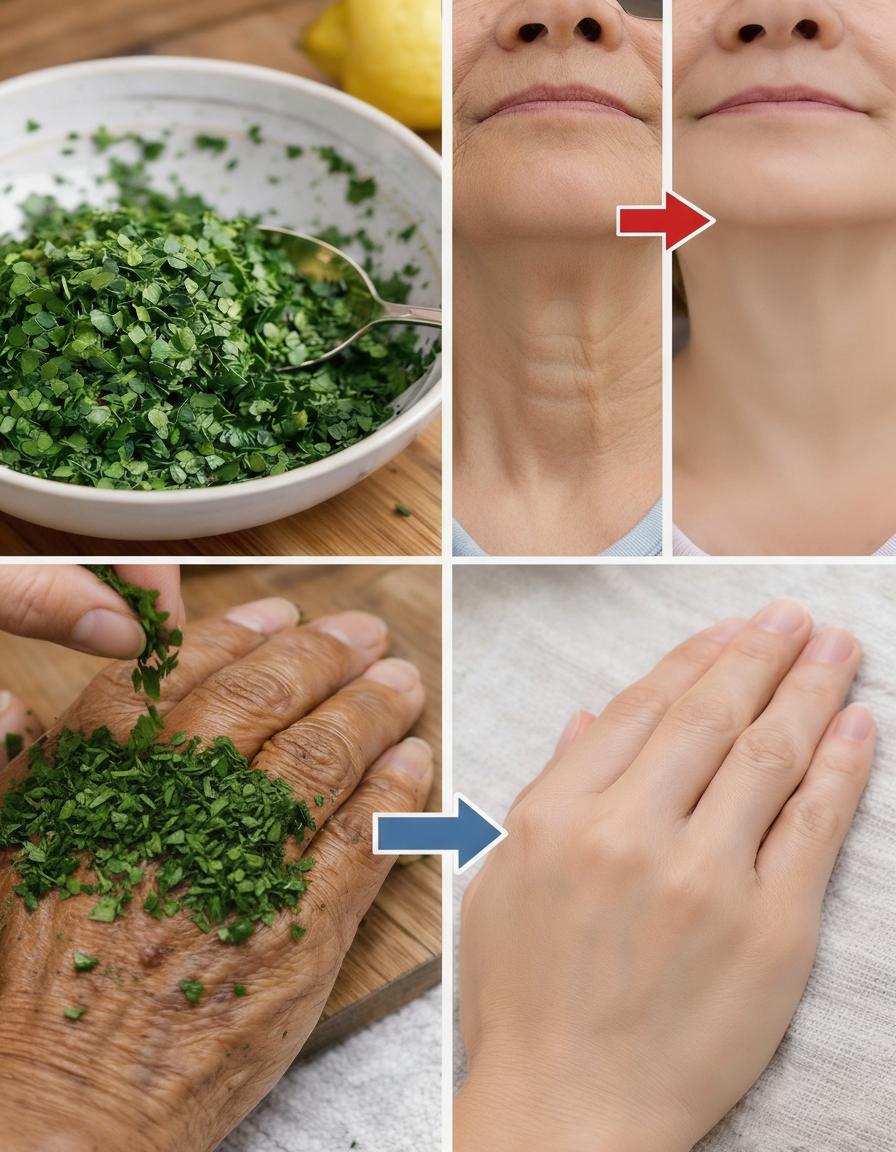
Ingredients (for one application):
- 3 uncoated aspirin tablets (ensure they are not coated, as coated versions do not dissolve effectively for topical use)
- Juice from ½ to 1 fresh lemon (begin with a smaller amount and gradually add more to assess your skin’s tolerance)
Step-by-Step Instructions:
- Thoroughly crush the aspirin tablets into a very fine powder. You can achieve this using the back of a spoon against a hard surface or with a small mortar and pestle.
- Gradually incorporate the fresh lemon juice into the aspirin powder, stirring continuously until a smooth, spreadable paste forms. If the mixture appears too thick, you may add one or two drops of water to reach the desired consistency.
- Begin by cleansing your face with a gentle facial cleanser and then gently pat your skin dry with a clean towel.
- Apply a thin, even layer of the mask to your entire face, being extremely careful to avoid the delicate skin around your eyes and lips.
- Allow the mask to remain on your skin for 10–15 minutes. Do not exceed this time frame, as prolonged application significantly increases the risk of irritation.
- Rinse your face thoroughly with lukewarm water, ensuring all mask residue is removed, then gently pat your skin dry.
- Immediately follow up with a soothing, hydrating moisturizer to replenish moisture and restore comfort to your skin.
Pro Tip: Always perform a patch test on a small, inconspicuous area of your inner forearm 24 hours prior to applying the mask to your entire face. Discontinue use immediately if you experience any signs of redness, stinging, itching, or discomfort.
Recommended Usage Frequency for Optimal Results
To prevent potential irritation and dryness, limit the use of this mask to a maximum of once per week. Overuse can strip the skin’s natural moisture barrier and lead to adverse reactions, given the exfoliating nature of both aspirin and lemon. When it comes to skincare, consistency often yields better results than aggressive frequency. Think of this as a gentle supportive treatment rather than an intense, rapid solution. Many users report noticing subtle improvements in skin texture and overall brightness after approximately 3–4 weeks of diligent, mindful use, but patience and adherence to the recommended frequency are paramount.
Expected Outcomes and Realistic Skincare Expectations
When used judiciously and with proper precautions, this aspirin and lemon mask may contribute to several positive changes in your complexion. You might experience:
- A smoother surface feel, thanks to the gentle exfoliating action that helps remove dead skin cells.
- A brighter, more refreshed appearance, as the ingredients work to address surface dullness and promote a more even tone.
It is crucial to maintain realistic expectations. While this DIY mask can offer subtle improvements in skin texture and luminosity, it is not a miraculous cure for deep wrinkles, severe acne, or significant hyperpigmentation. For more pronounced skin concerns, consulting with a dermatologist is always recommended. This mask serves as a complementary addition to a consistent skincare routine, aimed at enhancing overall skin health and glow rather than providing dramatic transformations.