 By admin
 Unlock Optimal Well-being: 7 Simple Habits for Healthy Lymphatic Drainage and Reduced Swelling
Experiencing a sensation of puffiness or noticing mild fluid retention in your limbs or neck can be quite uncomfortable and often frustrating. This is especially true after prolonged periods of sitting or when your body feels sluggish due to accumulated fluid. Such sensations frequently arise when your lymphatic system – the body’s essential network for waste removal and fluid balance – slows its operation. Factors like inactivity, stress, or various daily lifestyle choices can hinder its efficiency, leading to that common heavy, bloated feeling.
The encouraging news is that enhancing lymphatic movement doesn’t necessitate complex regimens or costly interventions. Instead, incorporating small, consistent daily habits can significantly improve how light and energized you feel. In this comprehensive guide, we will delve into seven practical and accessible methods to stimulate healthy lymphatic circulation, foster natural fluid equilibrium, and empower your body to more effectively clear everyday metabolic waste. Make sure to read until the end for a surprising habit that synergizes with the others for even greater overall benefit.
Why Prioritizing Lymphatic Health is Crucial for Daily Well-being
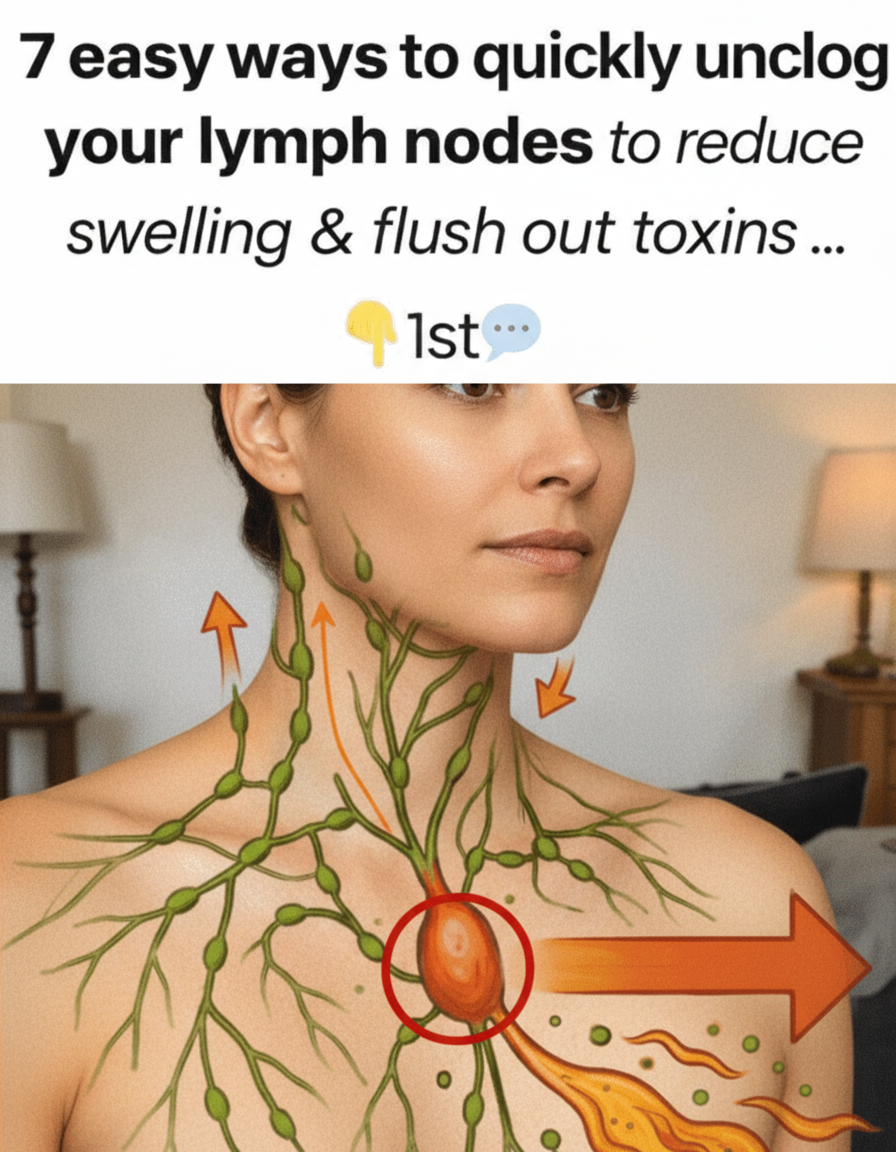
The lymphatic system plays a pivotal role in both your immune system’s defense mechanisms and the precise regulation of bodily fluids. This intricate network comprises hundreds of lymph nodes, which function as vital filters, removing waste products and excess fluid while upholding overall health. Unlike the cardiovascular system, where the heart actively pumps blood, lymph fluid circulation relies significantly on muscle contractions, respiratory movements, and gentle external stimulation to maintain its flow. When this system becomes sluggish – often a result of prolonged sedentary behavior or insufficient physical activity – you might experience temporary localized swelling or a pervasive feeling of heaviness.
Actively supporting healthy lymphatic flow through straightforward daily routines can profoundly contribute to sustained comfort and vitality. Extensive research and clinical observations consistently demonstrate that movement-based strategies, such as engaging in regular exercise, are fundamental in promoting efficient lymph movement. (Leading health institutions and cancer care centers frequently underscore these benefits.)
1. Embrace Regular Movement and Physical Activity
Your lymphatic system depends on the body’s natural mechanics and muscle activity to propel lymph fluid. Visualize it as an internal pump, powered directly by your muscles. Consistent physical engagement, even at a moderate intensity, significantly enhances this flow and helps prevent the accumulation of fluid in your tissues.
- Incorporate a Daily Walk: A brisk walk lasting 20-30 minutes can effectively stimulate circulation without imposing excessive strain on your body.
- Try Gentle Bouncing (Rebounding): If you have access to a mini trampoline, gentle rebounding is exceptionally beneficial. The rhythmic up-and-down motion naturally encourages the opening and closing of lymphatic valves, facilitating drainage. No specialized equipment? Simply perform light bounces on the balls of your feet for a few minutes.
- Practice Deep Diaphragmatic Breathing: While engaging in any movement, consciously take slow, deep breaths. This practice supports the diaphragm’s movement, which acts as a powerful internal pump, further assisting lymph flow.
Studies focused on exercise and fluid management consistently indicate that regular physical activity markedly improves lymphatic efficiency, particularly benefiting the legs and lower body regions.
2. Implement Gentle Self-Massage Techniques
Manual massage techniques can gently stimulate the superficial lymphatic vessels situated just beneath your skin, thereby encouraging improved fluid drainage. While professional lymphatic drainage massage employs specific pressures, you can easily adapt a simplified version for home use.
Consider this basic routine:
- Use your fingertips or the flats of your palms with exceptionally light pressure – imagine stroking a kitten.
- Always direct your strokes towards your heart. For example, massage from your wrists up your arms, or from your ankles up your legs.
- Pay particular attention to areas where lymph nodes are concentrated, such as the neck, underarms, and groin.
- Dedicate 5-10 minutes to this practice daily, perhaps after a warm shower when your skin is more receptive.
Various wellness resources suggest that this approach can significantly support circulation and enhance comfort, particularly in areas experiencing swelling or puffiness.
3. Discover the Benefits of Castor Oil Packs
Castor oil boasts a rich heritage in traditional wellness practices, historically valued for its potential to promote relaxation and enhance circulation. While some older accounts hint at its topical application possibly influencing immune markers like lymphocyte activity, it’s important to note that contemporary scientific evidence remains limited and largely anecdotal.
To prepare and use a simple castor oil pack:
- Saturate a soft, clean cloth with pure, cold-pressed castor oil.
- Position the oil-soaked cloth over your lower abdomen or the area of your liver.
- Cover this with a layer of plastic wrap, then place a heating pad set to a low temperature over the pack for 30-60 minutes.
- Utilize this time to relax deeply during the session. Afterward, gently cleanse your skin.
Always perform a patch test on a small skin area first to check for any sensitivities, and consult with a healthcare professional if you have pre-existing skin conditions or concerns.
4. Leverage Gravity with Inversion or Elevated Postures
Harnessing the power of gravity in a gentle manner can effectively assist in directing fluid movement upwards, aiding lymphatic flow. While specialized inversion tables offer a controlled way to achieve an upside-down position, which some individuals find beneficial for circulation, more accessible alternatives are readily available.
A simple yet effective option is the “legs-up-the-wall” pose:
- Lie comfortably on your back.
- Gently rest your legs vertically against a wall.
- Remain in this position for 5-10 minutes.
This posture naturally encourages drainage from the lower body and is often described as deeply relaxing. Discussions within the wellness community frequently highlight its potential advantages for maintaining fluid balance, though it’s always advisable to introduce such practices gradually into your routine.
5. Explore Supportive Herbs and Nutritional Supplements
While the original content for this section is incomplete, it generally suggests exploring how certain herbs and supplements might offer additional support for lymphatic health and fluid management. This often involves ingredients known for their diuretic properties or those believed to aid detoxification pathways.