 By admin
 Unlock Optimal Hydration: 5 Common Water-Drinking Mistakes You’re Likely Making
You consciously reach for your water bottle throughout the day, believing you’re mastering the art of staying well-hydrated. Yet, you might still experience puzzling symptoms: persistent fatigue, unexpectedly dry skin, or that stubborn mid-afternoon energy slump. These frustrating indicators can leave you questioning your hydration efforts, even when you’re making a concerted push to increase your fluid intake.
The reality is, achieving optimal hydration isn’t solely about the volume of water consumed. Subtle, often overlooked daily habits can significantly diminish how efficiently your body absorbs and utilizes this vital resource. It’s time to uncover these hidden pitfalls, as one—or more—of these common mistakes might be impacting your health and vitality more profoundly than you realize. Read on to discover what they are and how to fix them.
The Crucial Role of Hydration in Your Daily Well-being
Water constitutes approximately 60% of an adult’s body weight, serving as an indispensable component for virtually every bodily process. It’s fundamental for maintaining peak brain performance, facilitating efficient digestion, regulating body temperature, and transporting nutrients. Scientific studies consistently highlight that even a slight degree of dehydration can negatively impact mood, impair concentration, and diminish overall vitality.
Many attribute feelings of sluggishness or a lack of focus to stress or insufficient sleep. However, your daily hydration practices often exert a far greater influence than commonly perceived. The encouraging news is that a simple understanding of these dynamics, coupled with minor adjustments, can lead to significantly more sustained energy and sharper mental clarity throughout your day.
Uncovering the 5 Subtle Hydration Mistakes
It’s easy to overlook these seemingly minor habits, yet they can significantly undermine your body’s ability to stay adequately hydrated. Let’s delve into each one to understand their impact and how to correct them.
5. Over-Reliance on Single-Use Plastic Water Bottles
While undoubtedly convenient for immediate hydration on the go, disposable plastic bottles come with potential drawbacks. Research indicates that certain chemicals, such as phthalates and BPA (Bisphenol A), can leach into the water, especially when bottles are exposed to heat or stored for extended durations. Although manufacturers are making strides to produce safer plastics, choosing durable, reusable options like glass or high-quality stainless steel bottles offers superior peace of mind for your daily hydration routine and reduces environmental impact.
4. Consuming Predominantly Ice-Cold Water
There’s no denying the appeal of an ice-cold beverage, particularly during hot weather or after intense physical activity. However, some traditional health philosophies, such as Ayurveda, propose that water closer to room temperature is more harmonious with the body’s internal temperature and can be gentler on the digestive system. While mainstream medical sources like Healthline and WebMD confirm that both cold and ambient temperature water are absorbed effectively by the body for general hydration, paying attention to how different temperatures make your body feel can enhance overall comfort and potentially optimize digestion for some individuals.
3. Rapidly Chugging Large Volumes of Water
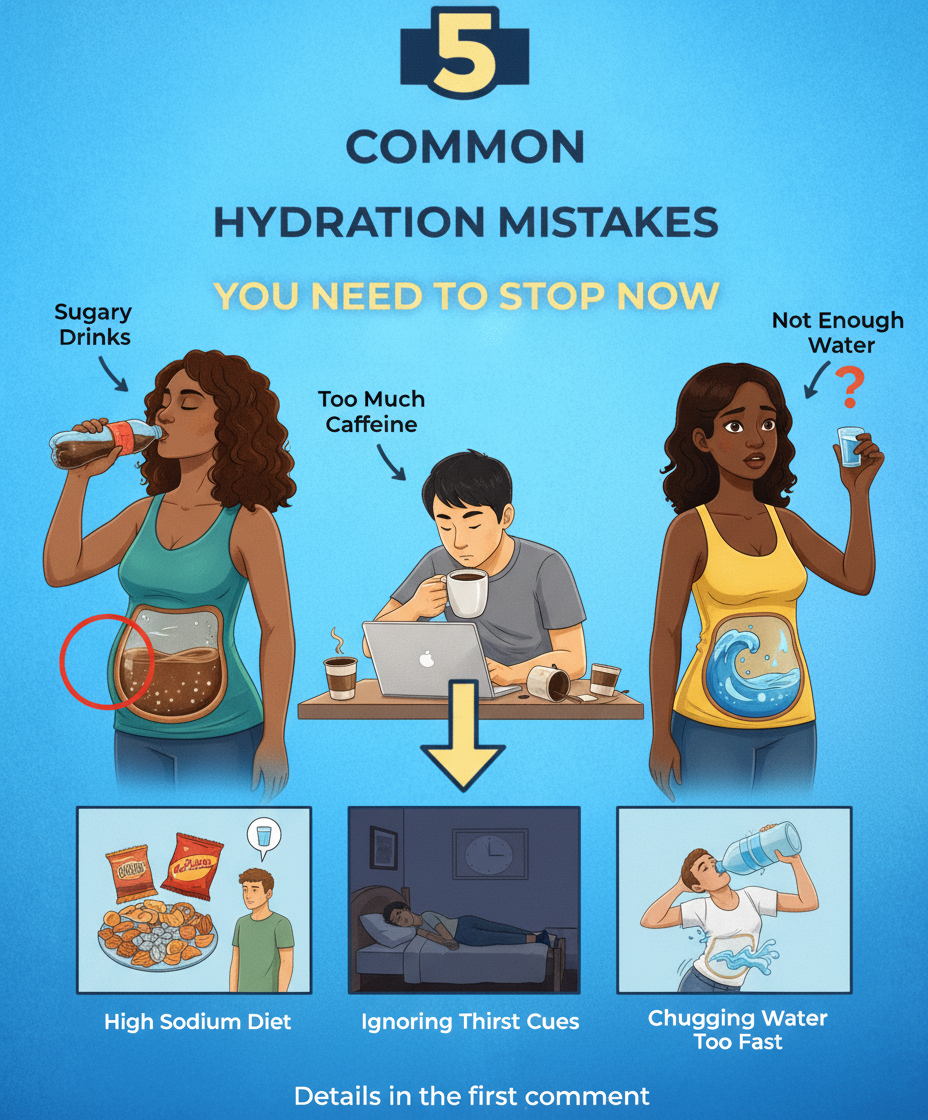
In our fast-paced lives, it’s tempting to compensate for forgotten sips by quickly downing a large glass of water. Yet, your body’s capacity to absorb fluids is not unlimited; it processes water at an optimal rate, generally between 0.8 to 1 liter per hour for maximum efficiency. Consuming excessive amounts too rapidly can overwhelm your kidneys, leading to increased urination and less actual water retention by your cells. Scientific evidence consistently advocates for a strategy of steady, moderate sipping throughout the day to achieve superior and more sustained hydration.
2. Delaying Hydration Until Thirst Sets In
While thirst is undeniably your body’s natural alarm system for fluid replenishment, it’s often a signal that mild dehydration has already taken hold. By the time you feel thirsty, your cognitive function, energy levels, and even mood may have already experienced subtle impairments. Research consistently demonstrates that thirst is not the most proactive indicator of your body’s need for water. Instead, consistently sipping water at regular intervals throughout your day is a far more effective approach to maintaining optimal and consistent hydration levels.
1. Inconsistent Water Intake Throughout the Day
A common pattern involves consuming a significant amount of water early in the morning or around meal times, only to neglect hydration for extended periods thereafter. This uneven intake fails to provide the continuous, steady supply of fluid that your cells and organs require for optimal functioning. Scientific evidence strongly advocates for regular, strategically spaced sips throughout the day to ensure sustained hydration benefits. This seemingly minor adjustment can lead to a profoundly noticeable improvement in your overall energy and bodily functions.
Real-World Impact: Stories of Transformed Hydration Habits
Understanding these mistakes is one thing; seeing their impact in real life makes them far more tangible. Consider Alex, a bustling marketing executive who frequently grabbed single-use plastic bottles and consumed water in sporadic, large gulps. Despite his efforts, he consistently battled afternoon fatigue. After adopting a durable reusable bottle and committing to a routine of gentle, consistent sipping, he experienced a dramatic shift. “It was like a perpetual brain fog finally lifted,” he recounted.
Then there’s Jordan, an avid gym-goer who favored intensely cold water and only drank when thirst became undeniable. Persistent mild headaches and occasional dips in workout performance were common. By consciously integrating room-temperature water and proactive, small sips throughout his day, Jordan noticed a significant improvement in sustained focus during both his training sessions and daily professional tasks. While individual responses may differ, the overarching lesson remains: discovering a hydration approach that harmonizes with your unique body and lifestyle is paramount.
Choosing Your Hydration Tools: A Quick Comparison
| Source Type | Pros | Potential Considerations | Best For |
|---|---|---|---|
| Single-Use Plastic Bottles | Highly portable, readily available, convenient for emergencies. | Environmental waste, potential chemical leaching (BPA/phthalates), not sustainable. | Occasional, short-term, on-the-go use when no other option is available. |
| Reusable Glass/Stainless Steel Bottles | Eco-friendly, durable, chemical-free (when high-quality), maintains taste. | Can be heavier, glass is fragile, requires regular cleaning. | Daily hydration, eco-conscious individuals, home, office, and travel. |
| Filtered Tap Water | Cost-effective, environmentally friendly (reduces plastic), readily accessible at home. | Requires a filter system, not portable unless transferred, quality varies by location. | Primary home/office hydration source, refilling reusable bottles. |
| Water Filters (Pitcher/Faucet) | Improves taste, removes impurities (chlorine, sediment), generally affordable. | Requires filter replacement, slower flow rate for pitchers. | Improving tap water quality, ensuring cleaner drinking water at home. |
Embrace Smarter Hydration for a Healthier You
By understanding and addressing these five common water-drinking mistakes, you’re not just increasing your water intake; you’re optimizing your body’s ability to utilize this essential nutrient. Shifting from these subtle pitfalls to mindful hydration habits can unlock significant improvements in your energy, focus, and overall well-being. Start making these small, conscious changes today, and experience the profound difference that truly effective hydration can make in your life.