 By admin
 Unlock Natural Beauty: Your Comprehensive Guide to Preparing and Using Rice Water at Home
Navigating the complex world of beauty can often feel overwhelming, with countless expensive products promising miraculous results that frequently fall short. Many individuals find themselves caught in a cycle of costly disappointments, transforming self-care from a relaxing ritual into a draining chore. What if the secret to a radiant complexion and luscious hair isn’t found in a high-end boutique, but rather in a humble ingredient already present in your pantry? This guide explores a time-honored, natural solution that could revolutionize your beauty regimen, offering an affordable and effective alternative. Stay with us for an insightful tip towards the end that might just redefine your approach to beauty.
Understanding Rice Water: An Ancient Beauty Secret
At its core, rice water is the nutrient-rich liquid obtained from soaking or boiling rice. This simple yet potent ingredient has been a cornerstone of traditional beauty rituals across diverse cultures for centuries, especially revered in Asian communities for its remarkable properties. Far from being just a byproduct, this milky solution is a treasure trove of beneficial compounds, including essential vitamins, minerals, and amino acids naturally derived from the rice grains. Notably, it contains inositol, a carbohydrate that some scientific investigations indicate may contribute significantly to overall hair vitality and strength. The true versatility of rice water lies in its various preparation methods, each yielding a distinct consistency and suitability for different applications, whether you opt for a simple plain version or a more potent fermented concoction.
Your Simple Guide to Preparing Homemade Rice Water
Crafting your own rice water is an incredibly simple process, demanding only a few basic items. Gather uncooked rice (approximately half a cup, with white rice being a popular choice due to its higher starch content), fresh water, and a clean container. Begin by thoroughly rinsing the rice under cool, running water to eliminate any surface impurities; this crucial step ensures the purity of your final product. Following the rinse, immerse the cleaned rice in about two to three cups of water, allowing it to soak for roughly 30 minutes. Gentle stirring during this period will help release more of the beneficial starch into the water. Afterward, carefully strain the liquid through a fine-mesh sieve or a piece of cheesecloth into a separate, clean bowl. This collected liquid is your fundamental rice water. For an enriched, fermented variant, simply allow this solution to sit at room temperature for one to two days; this fermentation process is believed by many traditional users to amplify its beneficial properties. To maintain its freshness and efficacy, store your homemade rice water in the refrigerator for up to one week. A vital reminder: always perform a patch test on a small skin area before full application to ensure no adverse reactions.
Exploring Diverse Rice Water Preparation Methods
Beyond the basic soaking method, several variations can customize your rice water experience:
- Boiled Rice Water: Prepare rice as you normally would for consumption. Once cooked, strain and reserve the starchy water. This technique typically results in a denser, more concentrated liquid, which can be beneficial for certain applications.
- Unrinsed Soak: For an even richer concentration of nutrients, you can choose to omit the initial rice rinsing step. While this may increase the nutritional density, be aware of the potential for more residue, which might require a subsequent rinse depending on your use.
- Aromatic Infusion: Elevate your rice water with a delightful fragrance by incorporating a few drops of your favorite essential oil, such as calming lavender or invigorating tea tree, after it has been prepared. This adds a sensory dimension to your beauty routine.
Integrating Rice Water into Your Daily Beauty Regimen
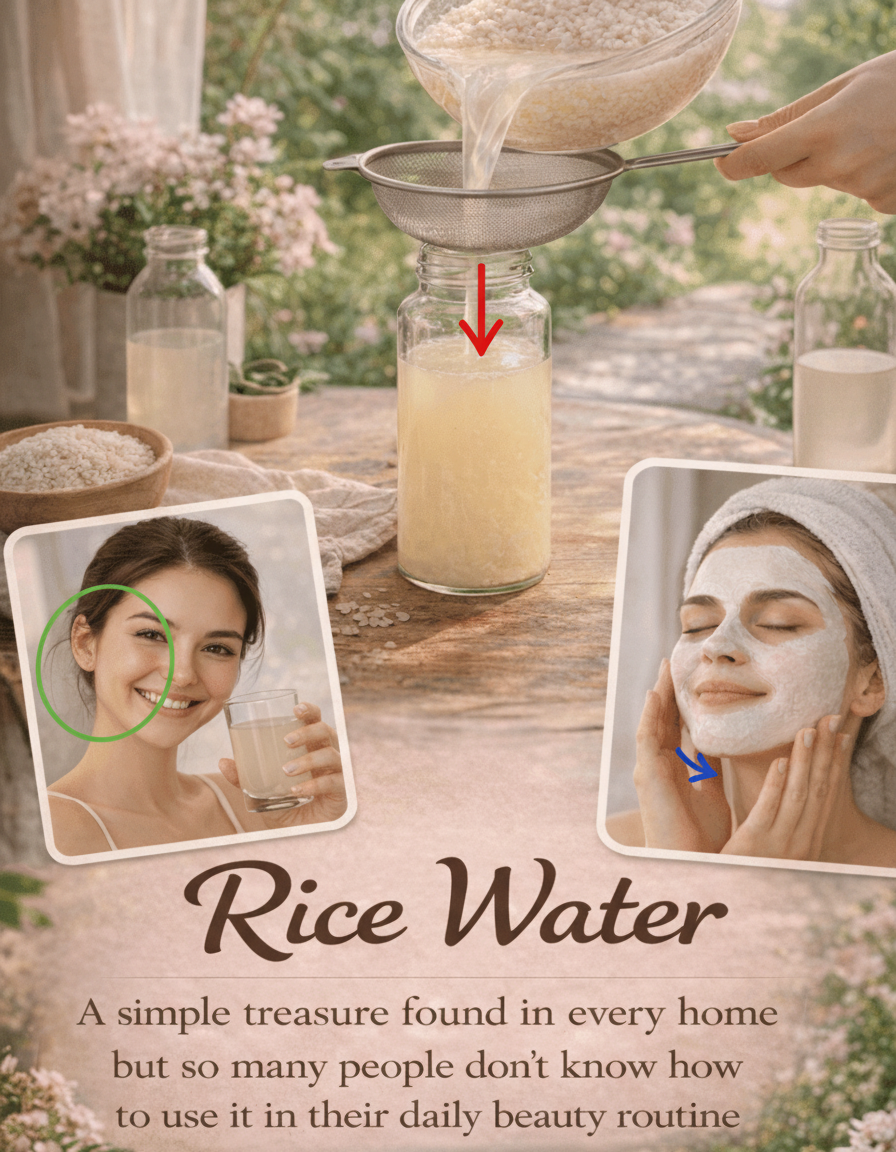
Once you’ve prepared your batch, rice water effortlessly integrates into various aspects of your daily beauty regimen. It’s widely celebrated as an excellent natural toner; simply apply it to your freshly cleansed face with a cotton pad for an instant refreshing sensation. For transformative hair care, consider using it as a revitalizing rinse post-shampoo. Gently pour the liquid over your scalp and hair, massaging it in thoroughly before rinsing with clean water. For an enhanced experience, here’s a professional tip: combine rice water with other beneficial natural ingredients. For instance, a blend with aloe vera creates a wonderfully soothing face mask. Its utility extends even further; some enthusiasts add it to their bathwater for an all-over skin softening treatment. Remember to always dilute the rice water if you find it too concentrated or notice any stickiness.
A Step-by-Step Facial Application Guide
To effectively utilize rice water for facial care, follow these simple steps:
- Preparation: Begin by cleansing your face thoroughly with your preferred facial cleanser.
- Application: Immerse a cotton ball or pad into chilled rice water.
- Gentle Sweep: Delicately glide the soaked cotton across your entire face, taking care to avoid direct contact with your eyes.
- Air Dry: Allow the rice water to air dry on your skin, enabling maximum absorption of its beneficial compounds.
- Moisturize: If your skin tends to feel dry, conclude your routine by applying your favorite moisturizer.
This invigorating facial regimen can be performed once or twice daily, tailored to your skin’s needs and personal preference.
Unveiling the Potential Benefits of Rice Water for Skin and Hair
While scientific exploration into the full scope of rice water’s benefits continues, existing research provides promising insights into its active compounds. For instance, a 2018 study featured in the Journal of Cosmetic Dermatology highlighted that fermented rice water is rich in antioxidants, which are believed to play a crucial role in fortifying the skin’s natural barrier. Furthermore, the presence of inositol within rice water has been associated with enhanced hair strength and elasticity in laboratory studies, as reported by the International Journal of Trichology. Beyond personal beauty advantages, embracing rice water also offers an environmental edge: it transforms a potential food byproduct into a valuable resource, thus minimizing waste and fostering more sustainable beauty practices. It’s important to remember, however, that individual results can vary significantly; what proves effective for one person may not yield identical outcomes for another, largely depending on unique skin and hair types.
Rice Water vs. Commercial & DIY Beauty Products: A Comparison
To better understand the distinct advantages of incorporating rice water into your beauty regimen, let’s compare it against conventional commercial products and other popular DIY solutions:
| Aspect | Rice Water | Commercial Toners | Other DIY Alternatives |
|---|---|---|---|
| Cost-Effectiveness | Extremely low (utilizes a common kitchen staple) | Ranges from moderate to premium pricing | Generally low (e.g., apple cider vinegar, herbal infusions) |
| Preparation Time | Approximately 30 minutes (active prep + soaking) | Instantly ready for use | Highly variable (from 5 minutes to over an hour, depending on method) |
| Storage & Shelf Life | Best used within 1 week when refrigerated | Typically 6-12 months once opened | Short-term (usually 3-7 days) |
| Customization Potential | High (can be fermented, infused with essential oils, or combined with other ingredients) | Limited to product formulation | High (allows for personalized ingredient choices) |
| Environmental Footprint | Minimal waste (repurposes a byproduct) | Significant packaging waste, potential chemical runoff | Low waste (often uses natural, compostable ingredients) |