 By admin
 Unlock Deeper, More Vibrant Mehndi Stains: The Traditional Power of Cloves
After dedicating precious time to crafting exquisite mehndi designs for a wedding, festival, or significant event, it can be disheartening to witness the vibrant color diminish into a faint orange within mere days. The intricate artistry appears muted, the desired rich reddish-brown hue fails to fully materialize, leaving you longing for a more enduring and striking stain on your skin. This common disappointment resonates with many enthusiasts of this ancient art form. Fortunately, generations have passed down knowledge of simple, natural kitchen ingredients that can significantly enhance color development. Among these time-honored remedies, one particular everyday spice is frequently highlighted for its remarkable potential in achieving profound, lasting tones.
Understanding Mehndi Stain Dynamics
Mehndi, also known as henna, originates from the powdered leaves of the Lawsonia inermis plant. This natural botanical contains a potent compound called lawsone, which chemically bonds with the keratin proteins in your skin to produce its characteristic temporary stain. The ultimate depth, richness, and staying power of your henna tattoo are influenced by a complex interplay of several crucial elements.
Your individual skin chemistry is a major factor; individuals with naturally warmer body temperatures or slightly oilier skin often experience more intense and durable stains, whereas drier skin types or frequent exposure to water can accelerate fading. The caliber and freshness of your henna powder are equally vital; premium, body-art-grade henna is formulated to ensure superior dye release. Further factors include the duration the paste remains on the skin, the acidity (pH) of the liquid used for mixing, and the ambient temperature during the application and drying phases. Throughout history, traditional henna artists have skillfully incorporated natural additives to optimize dye release and facilitate oxidation – the essential process where the initial orange hue gradually deepens into a rich, reddish-brown. Beyond these, specific kitchen essentials are recognized for their ability to complement this natural darkening, with one particular spice holding a prominent place in time-honored beauty rituals.
The Ancient Secret: Why Cloves are Valued for Mehndi
Cloves, the fragrant spice commonly found in kitchens worldwide and cherished in teas, boast a rich legacy in diverse cultural beauty practices. This potent spice contains eugenol, a natural compound celebrated for its distinctive warming sensation and inviting aroma. Within traditional mehndi artistry, cloves are often integrated through subtle yet impactful methods. This might involve infusing water with whole cloves to create the mixing liquid for the henna paste, or carefully exposing dried henna designs to the gentle warmth of clove fumes or steam.
Many proponents of these age-old techniques believe that this creates a more conducive, warmer micro-environment, which is thought to encourage the stain to develop into significantly richer tones. Some theories propose that the mild warmth may slightly expand skin pores, thereby facilitating a more effective interaction between the lawsone dye molecules and the skin. Furthermore, eugenol’s inherent properties are speculated to play a role in accelerating the crucial oxidation process. Enthusiasts who meticulously follow these traditional steps frequently report achieving noticeably deeper and more intense henna shades. It is important to remember, however, that individual outcomes can vary based on personal skin chemistry, the quality of the henna used, and the precise application technique. While cloves, when used in these diluted forms, are generally considered mild, individuals with sensitive skin should always exercise caution and consider a patch test.
Other Natural Enhancers for Your Henna Art
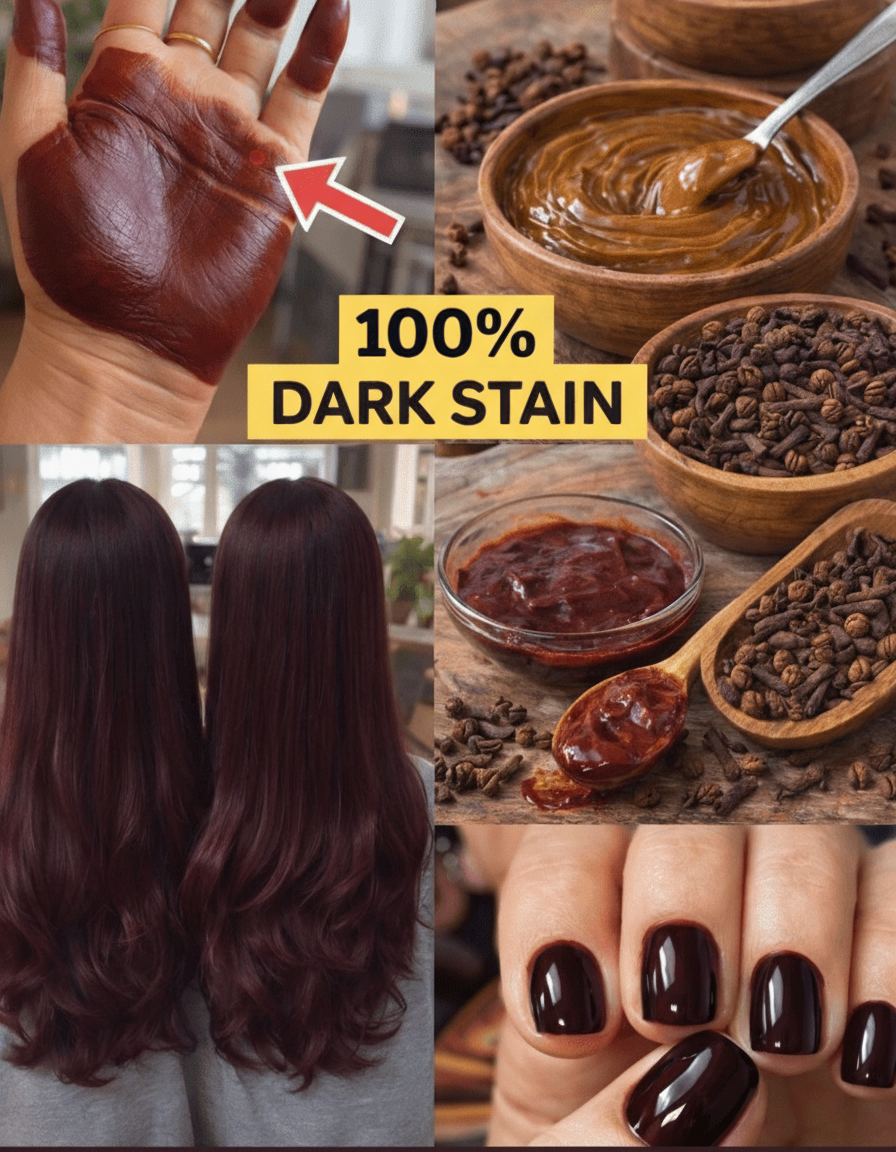
Beyond cloves, several other natural ingredients are frequently employed to optimize mehndi stain quality. These accessible options seamlessly integrate into home henna routines:
- Lemon Juice: Often incorporated directly into the henna paste, its acidic properties are known to aid in dye release. However, it should be used judiciously to prevent excessive skin dryness.
- Black Tea or Coffee: When brewed and used as the liquid base for the henna paste, the tannins present in these beverages are believed to contribute subtle depth to the final stain.
- Eucalyptus Oil: Adding a few drops of skin-safe eucalyptus oil to the paste can produce a gentle warming effect, which is thought to support and intensify color development.
- Cloves: As discussed, whether through infused water or gentle exposure to fumes/steam, cloves remain a traditional favorite for their warming attributes and potential to significantly enhance stain depth.
DIY Clove-Infused Henna Paste: A Step-by-Step Guide
Should you be eager to explore this traditional enhancement method, here is a clear, step-by-step recipe utilizing readily available kitchen staples. This particular technique emphasizes infusing water with cloves to create the ideal mixing liquid for your henna paste.
Ingredients:
- 100g pure, natural henna powder (ensure it is fresh, green-toned, and body-art quality for best results)
- 1–2 tablespoons whole cloves
- Juice from 1–2 freshly squeezed lemons (strained to remove pulp)
- Warm water (adjust as necessary to achieve desired consistency)
- Optional: 2–3 drops of a skin-safe essential oil, such as eucalyptus or lavender, for a pleasant aroma and potential added benefits.
Instructions:
- Prepare Clove-Infused Water: In a small pot, bring 1 cup of water to a boil with 1–2 tablespoons of whole cloves. Allow it to simmer gently for 8–10 minutes. Remove from heat and let the mixture cool completely before straining out the cloves. This will yield a subtly aromatic liquid base.
- Mix the Henna Paste: Carefully sift your henna powder into a non-metal bowl to eliminate any lumps, ensuring a smooth texture. Gradually incorporate the cooled clove-infused water and strained lemon juice, stirring continuously until the mixture achieves a smooth, creamy consistency, similar to yogurt.
- Facilitate Dye Release: Cover the bowl securely and place it in a warm environment for 6–8 hours, or preferably overnight. During this crucial period, you will observe the paste darkening, indicating the activation and release of the lawsone dye.
- Application Prep: Before applying your design, ensure your skin is thoroughly clean and completely dry. Use a henna cone or applicator to meticulously create your desired patterns. For optimal results, allow the paste to remain on your skin for as long as possible (ideally 6-8 hours or more).
Embracing traditional techniques like incorporating cloves into your mehndi routine offers a wonderful opportunity to potentially achieve deeper, more captivating stains that truly stand out. While individual results may vary, the centuries-old wisdom behind these natural enhancements continues to inspire henna enthusiasts worldwide. Experiment thoughtfully, always prioritize skin safety, and enjoy the journey of creating stunning, long-lasting henna art.