 By admin
 In a world overflowing with complex health and beauty claims, many of us seek simple, natural solutions for everyday well-being. We crave gentle alternatives that deliver real results without harsh chemicals or confusing promises. Enter Aloe Vera – a plant revered for generations, known for its soothing, gel-filled leaves that offer a comforting embrace to irritated skin. But there’s a vital, often-missed step in preparing fresh aloe that can unlock its full potential. Stay with us to discover how.
What Exactly is Aloe Vera?
Aloe vera is a remarkable succulent characterized by its thick, spiky leaves. Inside these leaves lies a clear, jelly-like gel, primarily water (about 99%) but also packed with a potent blend of vitamins, minerals, enzymes, and antioxidants. This unique composition has cemented its place in traditional health practices worldwide. While readily available as store-bought gels and juices, you can also cultivate it easily on a windowsill.
A crucial distinction: the safe, beneficial part is the inner gel. Just beneath the plant’s skin, however, is a yellow latex containing compounds best avoided, especially for internal consumption.
Evidence-Backed Benefits for Skin Health
Research, including insights from reputable sources like the Mayo Clinic and WebMD, consistently highlights the clear gel’s measurable support for common skin concerns when applied topically:
- Soothes Minor Burns & Sunburn: Studies confirm aloe gel can accelerate recovery from first- and second-degree burns by cooling and promoting moisture.
- Eases Acne Breakouts: When used alongside standard treatments (e.g., tretinoin), aloe gel has been shown to enhance results and reduce side effects in some individuals.
- Calms Psoriasis Symptoms: Consistent application of aloe extract cream can reduce redness and scaling in mild to moderate cases.
- Hydrates Dry or Irritated Skin: Its natural moisturizing properties make it an excellent, gentle daily option for soft, supple skin without heavy residues.
Beyond these targeted benefits, the gel’s anti-inflammatory compounds provide an immediate cooling sensation, offering instant comfort to hot or wind-chapped skin.
Potential Digestive & Wellness Support (Important Cautions!)
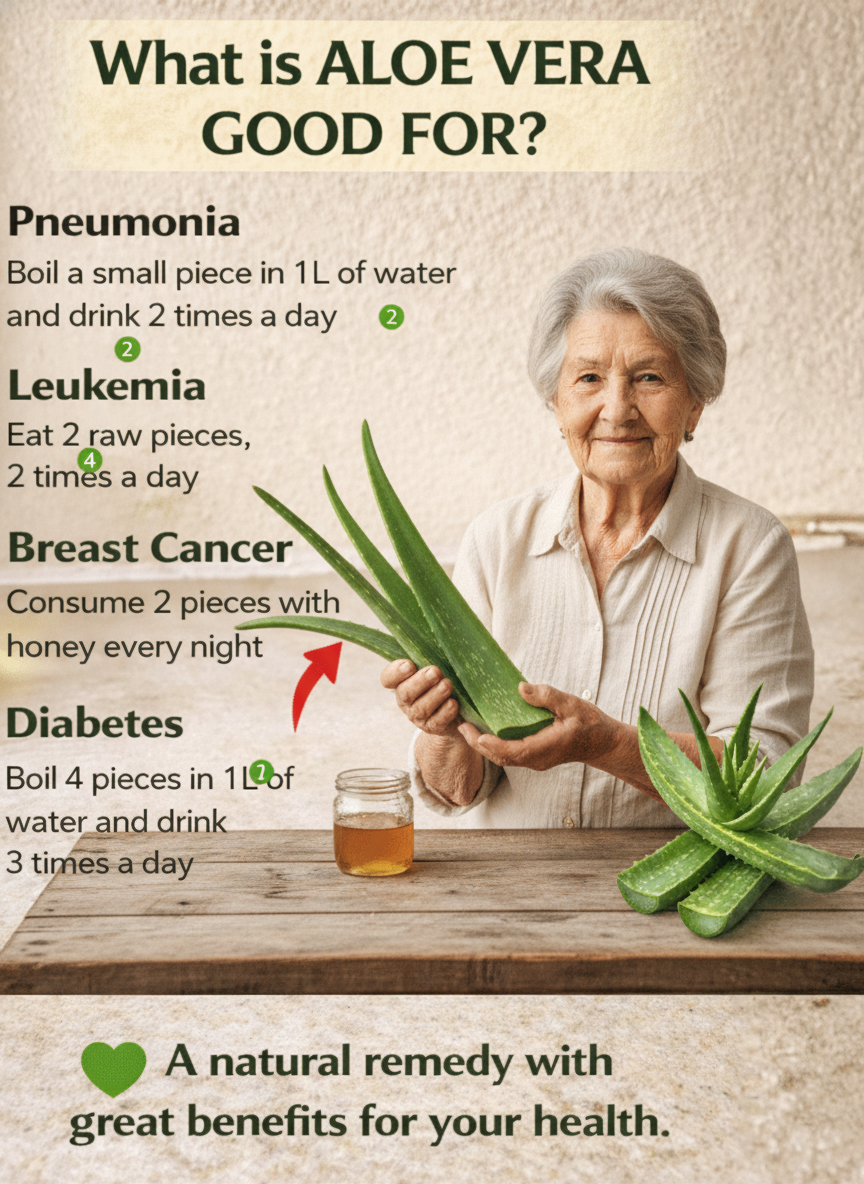
Some individuals incorporate aloe vera juice into their routines, and preliminary studies suggest its potential role in supporting digestion and blood sugar balance. Healthline notes that short-term use of pure inner-leaf gel may alleviate occasional heartburn or mild digestive discomfort. Limited research also hints at a supportive role in maintaining healthy blood sugar levels when combined with a balanced diet and medical supervision.
However, caution is paramount: Not all aloe products are created equal. The FDA removed aloe latex from over-the-counter laxatives due to safety concerns, and experts strongly advise against long-term or high-dose internal use. Always select products clearly labeled “inner leaf gel only” and “decolorized” to minimize risks and ensure safety.
Harvesting & Using Fresh Aloe Vera at Home: A Step-by-Step Guide
Experience the purest form of aloe with these simple steps. This includes the crucial draining step that many overlook:
- Select a Leaf: Choose a mature, healthy leaf from the outer part of your aloe plant.
- Cut & Drain (The Key Step!): Using a clean knife, cut the leaf close to the base. Immediately stand it upright in a glass for 10–15 minutes. This allows the bitter yellow latex to drain out completely.
- Rinse Thoroughly: Wash the drained leaf under cool water.
- Extract the Gel: Slice the leaf open lengthwise and gently scoop out the clear, inner gel with a spoon.
- Apply: Use the fresh gel directly on clean skin, or mix a small amount into your favorite moisturizer or hair conditioner.
- Store: Keep any leftover gel in an airtight container in the refrigerator for up to one week.
This simple ritual can transform your self-care routine into a refreshing mini-spa moment!
Creative Ways to Integrate Aloe Vera into Your Routine
Once you have fresh aloe gel, a world of natural wellness opens up:
- Hydrating Smoothie Boost: Add a tablespoon of pure inner gel to your morning smoothie (consult your doctor first).
- DIY Face Mask: Blend a small amount of gel with a few drops of your favorite essential oil for a refreshing, lightweight face mask, used twice weekly.
- Hair Conditioner Enhancer: Stir a spoonful of gel into your regular conditioner for added shine and softness.