 By admin
 Many of us have experienced the frustration of cavities, often seemingly appearing out of nowhere. These tiny compromises to our dental health frequently begin silently, long before any discomfort or visible signs emerge, leading to a sense of inevitability. Our modern lifestyles—characterized by demanding schedules, convenient snacking, and a prevalence of sugary beverages—create an ideal breeding ground for plaque. This sticky bacterial film relentlessly attacks tooth enamel, gradually eroding its protective layers. Over time, this insidious process can leave teeth susceptible to sensitivity, wear, and significant vulnerability.
However, the good news is incredibly empowering: adopting a few simple, natural daily habits can profoundly strengthen your teeth and safeguard your smile. In fact, one remarkably effective, yet often overlooked, routine detailed later in this guide holds the potential to be a game-changer for your long-term oral health. 🦷
Understanding Cavities: The Science Behind Tooth Decay
Before we dive into actionable habits, it’s crucial to grasp the fundamental process of how cavities, or dental caries, actually form. The primary culprit is plaque—a tenacious, sticky biofilm composed of bacteria that constantly forms on your teeth. These oral bacteria thrive on the sugars and starches present in the foods and drinks we consume. As they metabolize these carbohydrates, they produce acids as a byproduct.
These acids are the true antagonists, as they gradually demineralize tooth enamel by dissolving its vital mineral content. Scientific studies consistently demonstrate that enamel erosion accelerates dramatically when the oral environment remains acidic for extended periods. It’s important to recognize that cavities are not sudden occurrences; rather, they are the cumulative outcome of a persistent daily imbalance where mineral loss from the enamel outweighs the body’s natural repair mechanisms. This continuous interplay underscores just how critical your daily choices are for maintaining robust dental health.
Fueling Your Smile: The Power of Nutrient-Rich Foods
Your teeth are more than just hard structures; they are living components of your body, intrinsically linked to your overall nutritional intake. Much like your bones, they depend on a consistent supply of essential minerals and vitamins to maintain their strength and resilience against daily wear and tear.
Key Nutrients for Optimal Enamel Health
Extensive research consistently points to a trio of nutrients that collaborate synergistically to fortify tooth structure and promote enamel integrity:
- Calcium: This fundamental mineral is vital for building and maintaining the strong crystalline structure of tooth enamel.
- Phosphorus: Working alongside calcium, phosphorus is essential for regulating the mineral balance within enamel, supporting its repair processes.
- Vitamin D: Crucial for the efficient absorption of calcium in the digestive system, Vitamin D ensures these vital minerals are available to strengthen your teeth and bones.
A deficiency in any of these critical nutrients can compromise enamel, rendering it more vulnerable to acid attacks and general weakening.
Everyday Foods That Naturally Boost Dental Strength
Achieving robust dental health doesn’t require complex dietary supplements. Many common, wholesome foods are naturally abundant in the nutrients your enamel needs:
- Dairy Products: Yogurt, milk, and cheese are excellent sources of calcium and phosphorus.
- Leafy Green Vegetables: Kale, spinach, and collard greens provide calcium and other beneficial vitamins.
- Nuts, Seeds, and Legumes: Almonds, sesame seeds, and lentils offer phosphorus and calcium.
- Fatty Fish: Salmon and sardines are rich in Vitamin D, which aids calcium absorption.
- Eggs and Fortified Foods: These can also contribute significant amounts of Vitamin D.
Beyond their nutrient content, incorporating firm, fibrous foods into your diet offers an additional benefit: they naturally stimulate saliva production. Saliva is a powerful natural defense, effectively neutralizing harmful acids and physically rinsing away food debris and bacteria from your tooth surfaces.
Safeguarding Your Smile: Minimizing Sugary and Acidic Intake
The foods and beverages you consume have a profound and immediate impact on the delicate pH balance within your mouth. It’s not just the act of eating sugary snacks or sipping acidic drinks that poses a threat; these items can prolong an acidic environment in your oral cavity long after consumption. This extended acidity provides harmful bacteria ample opportunity to accelerate enamel erosion and contribute to dental decay.
Key Enamel Attackers to Be Mindful Of
To protect your dental health, be particularly aware of these common culprits:
- Sugary Sodas & Energy Drinks: High in both sugar and acid, they deliver a double blow to enamel.
- Confectionery & Baked Goods: Candies, cakes, and cookies feed oral bacteria directly.
- Frequent Fruit Juice Sipping: While natural, fruit juices are acidic and high in natural sugars, especially when sipped over time.
- Sticky Snacks: Items like dried fruit or gummy candies adhere to teeth, prolonging sugar exposure.
A critical point often overlooked is that the frequency of sugar and acid exposure is often more damaging than the quantity consumed in one sitting. Frequent “acid attacks” don’t allow enamel time to remineralize.
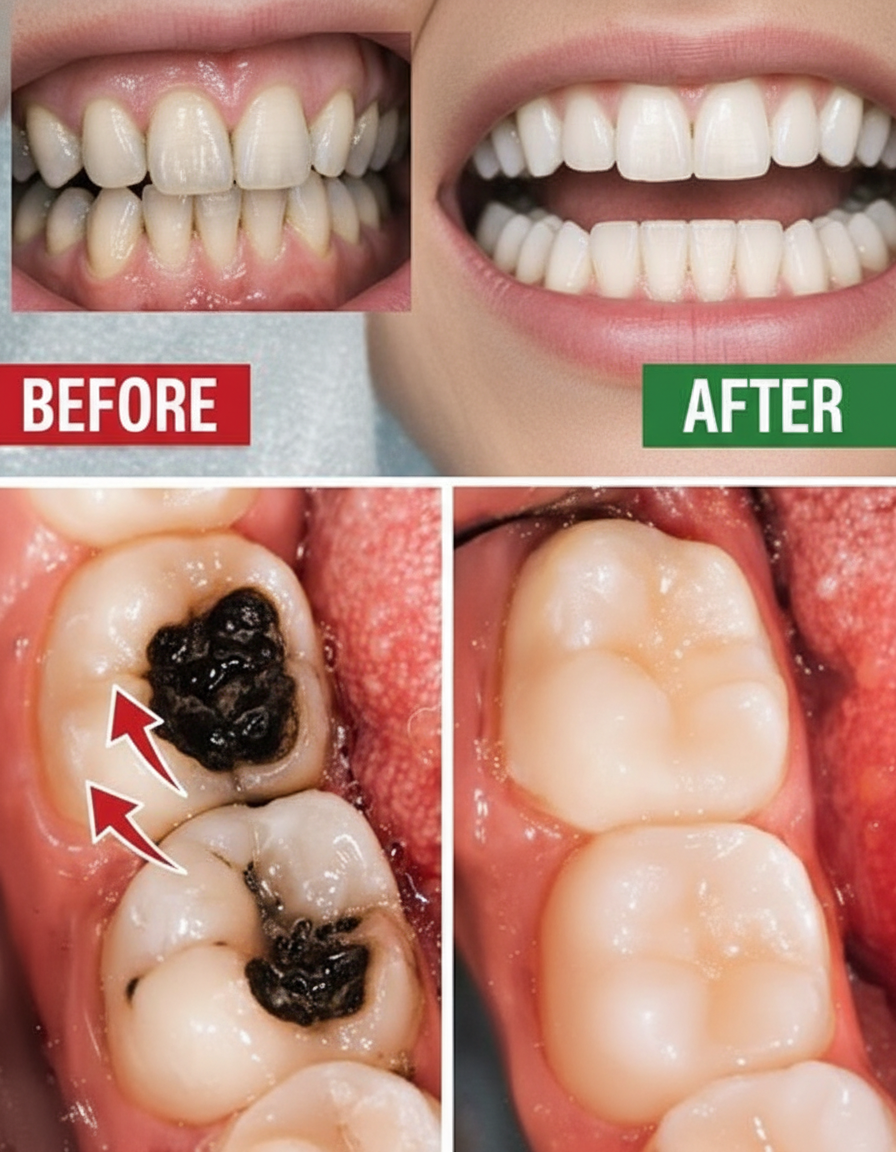
Strategic Swaps for Optimal Oral Balance
Instead of feeling the need to eliminate all enjoyable foods, focus on making conscious, balanced choices:
- Opt for Whole Fruits: Choose whole fruits over juices to benefit from fiber and reduce concentrated sugar and acid exposure.
- Smart Snacking: Reach for nutrient-dense options like nuts, cheese, or fresh vegetables, which can even help neutralize acids.
- Hydrate with Water: Drinking water after meals helps rinse away food particles and restore a neutral oral pH.
- Time Your Treats: If you indulge in sweets, consume them as part of a meal rather than between meals to minimize prolonged acid exposure.
These straightforward adjustments significantly reduce the duration and intensity of acid contact with your precious tooth enamel, supporting healthier teeth.
Mastering Your Daily Routine: Essential Oral Hygiene Practices
While most individuals incorporate tooth brushing into their daily regimen, the efficacy of this habit often depends on proper technique. Effective oral hygiene goes beyond simply “brushing”; it’s about executing the routine strategically.
Brushing: Precision Trumps Pressure
Brushing your teeth twice daily stands as a cornerstone of preventive dental care, primarily by physically disrupting and removing plaque accumulation. Scientific evidence consistently indicates that a gentle, meticulous brushing approach is far more effective and less damaging than vigorous scrubbing. Consider these fundamental guidelines for optimal brushing:
- Choose a Soft-Bristled Brush: Protect your enamel and gums by opting for a soft-bristled toothbrush.
- Brush for Two Minutes: Ensure comprehensive cleaning by brushing for a full two minutes each session.
- Angle Towards the Gumline: Position your brush bristles at a 45-degree angle to the gumline to effectively clean both tooth surfaces and the gum margin.
- Replace Regularly: Swap out your toothbrush every 3–4 months, or sooner if the bristles become frayed, to maintain cleaning efficiency.
Flossing: The Indispensable Interdental Cleanse
Flossing is arguably the most frequently overlooked yet critical step in a complete oral hygiene routine. Your toothbrush simply cannot reach the tight spaces between teeth or beneath the gumline where food particles and plaque readily accumulate. These hidden areas are prime locations for the initiation of cavities and gum inflammation.
Even a consistent daily flossing habit can dramatically reduce interdental plaque and significantly lower your risk of developing both cavities and gingivitis. And now, prepare for a revelation that might surprise many…
The Unexpected Ally: Harnessing Xylitol for Superior Oral Health
This brings us to that remarkably effective, yet often underestimated, routine: incorporating xylitol into your daily dental care. Xylitol is a naturally occurring sugar alcohol found in various fruits and plants. What makes it exceptional for oral health is its stark difference from traditional sugars: it does not serve as a food source for the harmful bacteria responsible for dental decay.
Compelling research indicates that xylitol actively contributes to a healthier oral environment by disrupting the lifecycle of cavity-causing bacteria. Specifically, it has been shown to reduce the ability of these detrimental microorganisms to adhere to tooth surfaces and produce enamel-eroding acids. This mechanism helps to rebalance the oral microbiome, fostering conditions that promote stronger, healthier teeth.
Simple Ways to Integrate Xylitol into Your Routine
Adding xylitol to your daily habits is straightforward and convenient:
- Chew Xylitol Gum: Opt for xylitol-sweetened chewing gum after meals. This not only stimulates saliva flow (further aiding acid neutralization) but also delivers xylitol directly to your teeth.
- Use Xylitol Dental Products: Look for toothpastes or mouth rinses that list xylitol as an active ingredient.
Implementing this habit, particularly after meals or snacks when plaque bacteria are most active, can provide significant additional protection against cavities and support overall dental wellness.