 By admin
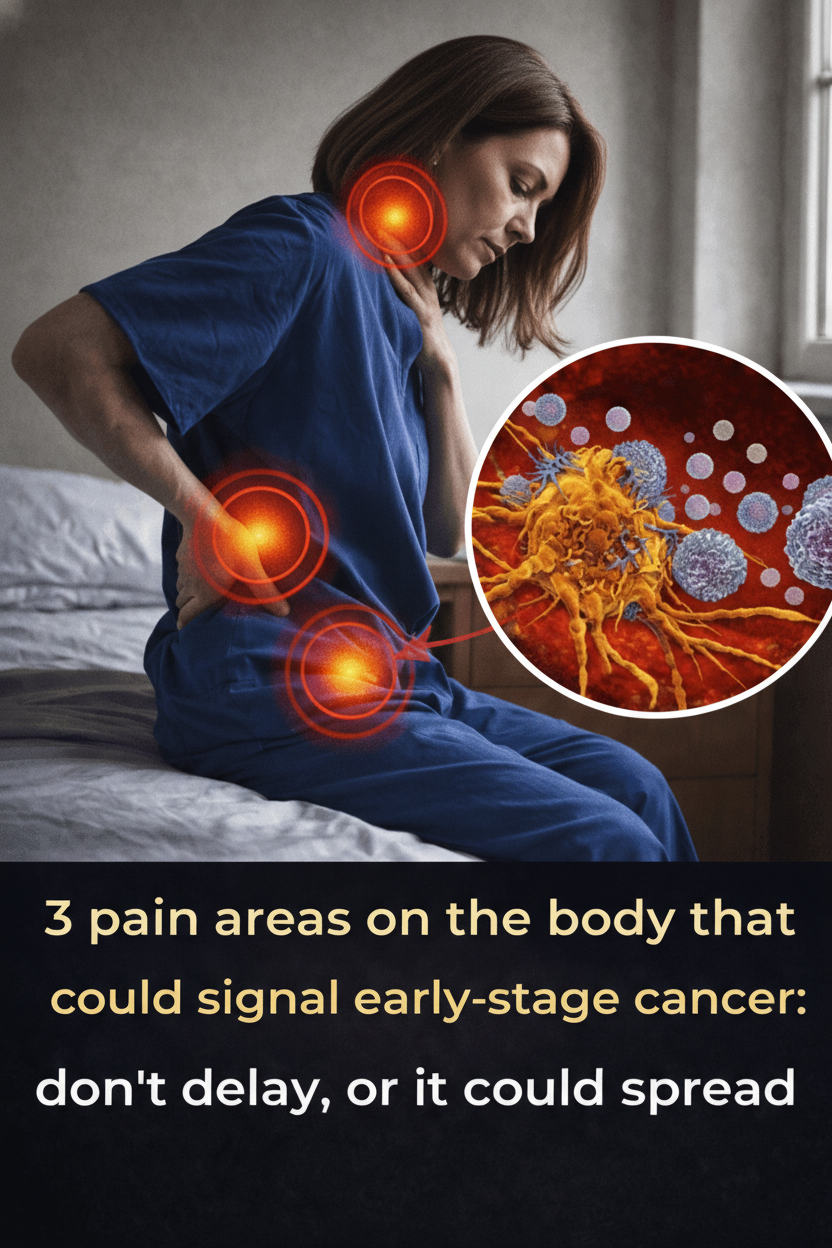
 Unexplained Pain: 3 Key Body Areas That Could Signal Early Cancer
Pain serves as one of your body’s most critical warning systems. While many instances of pain stem from benign causes like muscle strain, arthritis, injuries, or stress, certain persistent or unusual pain patterns can be among the earliest indicators of cancer. This is especially true when pain emerges without an obvious cause, persists for weeks or months, or gradually intensifies.
Oncology guidelines and extensive patient registries consistently highlight three specific pain locations as potential red flags. These concerns amplify if the pain is new, unwavering, worsening, or accompanied by other subtle symptoms such as unexplained weight loss, chronic fatigue, or night sweats.
1. Persistent Abdominal or Pelvic Discomfort (Especially Deep, Dull, or Cramping)
What it feels like: This might manifest as a continuous ache, pressure, sensation of fullness, or cramping in the lower abdomen or pelvis. Crucially, it doesn’t improve with common remedies like antacids, bowel movements, or rest.
Common cancers linked:
- Ovarian (women) — Often presents as vague, ongoing pelvic or abdominal discomfort.
- Pancreatic — Can cause mid-back or upper abdominal pain that may radiate to the back.
- Colorectal — Frequently associated with lower abdominal pain or cramping.
- Stomach/Esophageal — Typically involves discomfort in the upper abdomen.
- Endometrial/Uterine (women) — May present as pelvic pressure.
Why it’s often ignored: Many individuals attribute this discomfort to common issues such as ‘gas,’ ‘menstrual cramps,’ ‘Irritable Bowel Syndrome (IBS),’ ‘menopause symptoms,’ or simply ‘indigestion.’
Key red-flag combinations: Seek medical advice if this pain is accompanied by unexplained bloating, early satiety (feeling full quickly after small meals), unexplained weight loss, or persistent fatigue.
2. Chronic or Nocturnal Bone Pain (Especially in the Back, Hips, Pelvis, or Long Bones)
What it feels like: This is characterized by a deep, aching sensation within the bones. It often worsens at night or when lying down and typically isn’t relieved by standard painkillers or changes in position.
Common cancers linked:
- Multiple myeloma
- Metastatic cancers (originating from breast, prostate, lung, kidney, or thyroid)
- Primary bone cancers (though rare)
Why it’s often ignored: This type of pain is frequently dismissed as ‘arthritis,’ ‘sleeping in a bad position,’ an ‘old injury,’ or simply a natural part of ‘getting older.’
Key red-flag combinations: Consult a doctor if bone pain co-occurs with unexplained weight loss, chronic fatigue, anemia, or frequent infections.
3. Persistent Headaches That Are New or Changing in Pattern
What it feels like: Concerns arise with new headaches appearing after age 50, headaches that awaken you from sleep, ones that are worse in the morning, or those accompanied by symptoms such as projectile vomiting, significant vision changes, seizures, or noticeable shifts in personality.
Common cancers linked:
- Primary brain tumors
- Metastatic brain tumors (originating from cancers like lung, breast, or melanoma)
- Meningiomas or other skull-base tumors
Why it’s often ignored: These headaches are commonly mislabeled as routine ‘tension headaches,’ ‘migraines,’ ‘stress-induced headaches,’ or ‘sinus pressure.’
Key red-flag combinations: Urgent evaluation is needed if a headache is paired with neurological symptoms (e.g., weakness, numbness, speech difficulties, balance problems), unexplained weight loss, or drenching night sweats.
When to Seek Medical Attention: An Urgency Guide
Understanding the urgency of your symptoms is crucial.
Emergency (ER or Doctor Same Day)
- Sudden, severe headache (‘thunderclap’ headache) accompanied by vomiting or vision changes → potentially a brain bleed or tumor.
- Severe bone pain with sudden weakness, paralysis, or loss of bowel/bladder control → possible spinal cord compression.
- Rapidly worsening abdominal pain with fever, vomiting, and inability to pass stool or gas → potential bowel obstruction.
Urgent (Within Days)
- Persistent abdominal or pelvic pain combined with bloating, unexplained weight loss, and feeling full quickly.
- New or worsening bone pain at night, especially if accompanied by unexplained fatigue or anemia.
- Chronic headache with any new neurological change, even if mild.
Prompt (Within 1–2 Weeks)
- Any of the three pain patterns described above lasting for more than 3-4 weeks, particularly when combined with other subtle symptoms like unexplained weight loss, night sweats, or persistent fatigue.
The Crucial Takeaway: Listen to Your Body
It’s important to remember that cancer-related pain rarely manifests as sudden or dramatic discomfort in its early stages. The three locations highlighted — the abdomen/pelvis, bones (especially at night), and head (with new or changing headache patterns) — represent some of the most consistent early pain signals reported by patients ultimately diagnosed with cancer.
When pain is persistent, progressive, or accompanied by other concerning ‘red flags’ such as unexplained weight loss, fatigue, night sweats, or changes in appetite, it should never be dismissed as merely ‘aging’ or ‘normal.’ You are the expert on your own body. Trust your instincts regarding new or changing pain that doesn’t resolve. A prompt doctor’s visit, basic diagnostic tests (like blood work, imaging, or endoscopy), and early detection can profoundly impact outcomes.
Action Step: Take a moment tonight to consider any persistent pain in these three areas. Note its intensity (on a scale of 1–10) and how long it has been present. If any pain feels new, concerning, and has lasted for weeks, prioritize scheduling a medical check-up this month.
Important Medical Disclaimer
This article is provided for informational purposes only and does not constitute medical advice. While many causes of pain are benign (e.g., muscle strain, arthritis, IBS, migraines), persistent or multiple symptoms always warrant urgent professional medical evaluation. Never attempt to self-diagnose or delay seeking appropriate medical care based solely on this information. Always consult with a qualified healthcare provider for any health concerns or before making any decisions related to your health or treatment.