 By admin
 Unexplained Cold, Numbness, or Swelling in Your Feet? Don’t Ignore These Critical Health Signals
Have you ever experienced your feet feeling unusually cold, persistently numb, or noticeably swollen, even when you’re comfortable and at rest? While it’s easy to dismiss these subtle changes as minor inconveniences—perhaps attributing them to a long day or the weather—they can often be your body’s quiet way of signaling deeper, underlying health concerns. Many individuals tend to overlook these crucial foot signals because they don’t always manifest as sharp pain. However, medical research consistently highlights their potential connections to significant conditions such as compromised circulation, diabetes, thyroid imbalances, or various nerve-related issues.
The encouraging news is that recognizing and addressing these signs early can profoundly impact your overall health and well-being. What might be surprising is just how often your feet offer these vital clues long before other more obvious symptoms emerge elsewhere in the body. Join us as we delve into what these specific foot symptoms could indicate and explore practical steps you can take to support optimal foot health.
Persistent Cold Feet: More Than Just a Chill
When your feet consistently feel cold, it’s more than just an annoyance; it often points to reduced blood flow or metabolic shifts within your body. Studies indicate that inadequate circulation can restrict the delivery of warm, oxygen-rich blood to your extremities, leaving your feet chilly even in comfortable indoor environments. This could be a symptom of peripheral artery disease (PAD), a condition where narrowed arteries reduce blood flow to your limbs. Additionally, an underactive thyroid gland, known as hypothyroidism, can slow down your body’s metabolism, further contributing to this persistent cold sensation, as documented in various medical resources on thyroid health.
If you experience persistently cold feet, especially when accompanied by symptoms like chronic fatigue, unexplained weight gain, or dry skin, it’s advisable to consult a healthcare professional. While temporary relief can come from simple habits like staying active and wearing warm socks, persistent coldness warrants a medical evaluation to rule out serious underlying issues.
Numbness and Tingling: Understanding Nerve Signals
That familiar ‘pins-and-needles’ sensation, or a persistent numbness in your toes or soles, is frequently associated with nerve irritation or damage. This condition is broadly termed peripheral neuropathy. High blood sugar levels, common in individuals with diabetes, can progressively damage nerves throughout the body, often affecting the nerves in the feet first. This can lead to diminished sensation, tingling, or even burning, as highlighted by reputable sources like the Mayo Clinic and the CDC. Furthermore, certain vitamin deficiencies, particularly B vitamins, can also contribute to these unsettling sensations.
The critical takeaway here is to never ignore these symptoms. Early awareness and diagnosis allow for better daily management through targeted lifestyle choices and medical interventions, potentially preventing further nerve damage and complications.
Swollen Feet: When Fluid Buildup Becomes a Concern
Puffy or noticeably swollen feet, especially towards the end of the day, frequently result from fluid retention, medically known as edema. This accumulation of fluid can be a red flag for several serious health conditions. Issues related to heart health, such as congestive heart failure, can reduce the heart’s pumping efficiency, causing blood to pool in the lower extremities. Similarly, compromised kidney function can lead to fluid accumulation when the kidneys are unable to filter waste and excess fluid effectively, as explained in health guidelines from the Mayo Clinic. Other contributing factors can include prolonged periods of sitting or standing, certain medications, and even pregnancy.
While elevating your legs and maintaining good hydration can offer temporary relief, persistent or sudden swelling warrants a medical consultation to identify and address the root cause, especially if accompanied by other symptoms like shortness of breath or fatigue.
Other Important Foot Signs and Their Potential Health Links
Beyond the primary symptoms discussed, your feet can exhibit a range of other signs that offer insights into your general health:
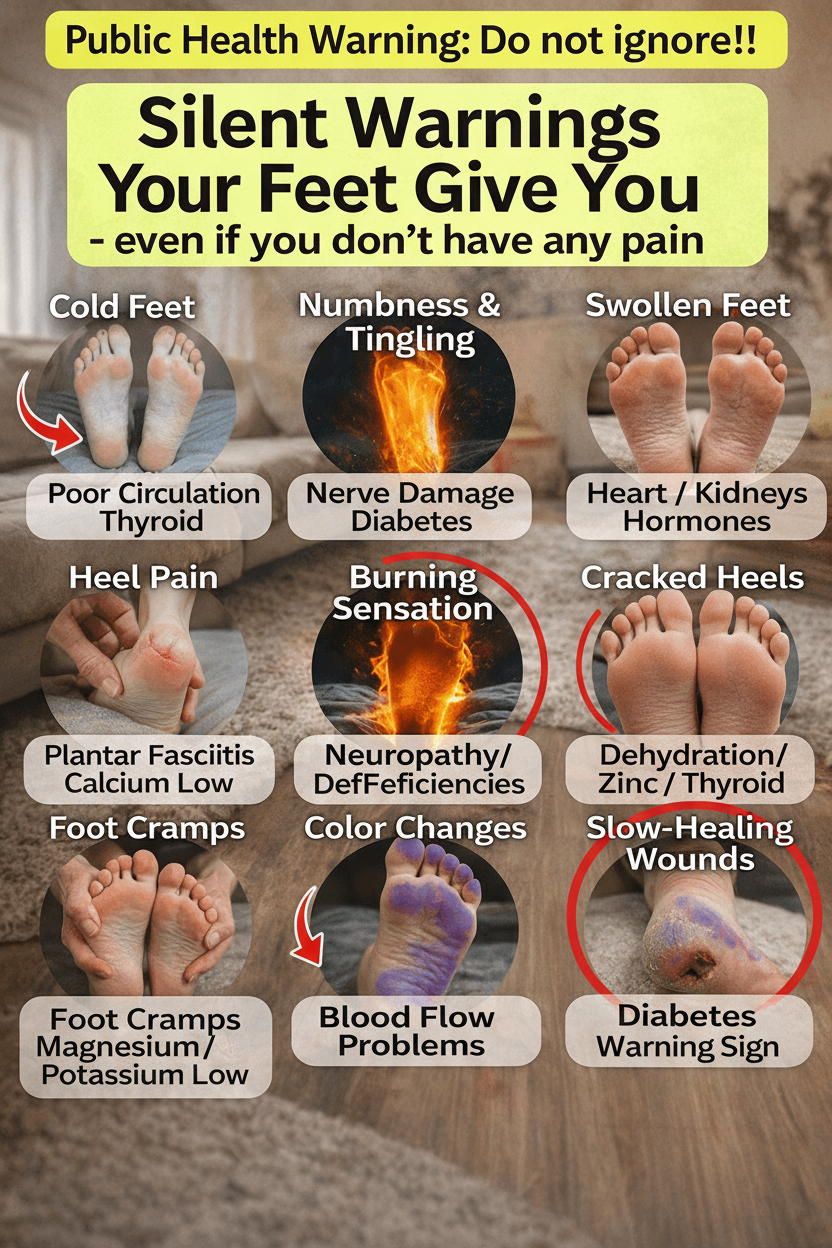
- Chronic Coldness: Often indicative of poor circulation or thyroid gland dysfunction.
- Tingling or Numbness: Frequently signals nerve changes, potentially linked to blood sugar regulation or nerve compression.
- Persistent Swelling: May point to issues with heart function, kidney health, or overall fluid balance.
- Heel Pain: Commonly arises from strain on the supportive tissues of the foot, such as plantar fasciitis.
- Burning Sensations: Can be associated with nerve irritation (neuropathy) or specific nutrient deficiencies.
- Cracked Heels: May be connected to dehydration, certain skin conditions, or thyroid-related changes affecting skin moisture.
- Foot Cramps: Sometimes a sign of electrolyte imbalances, such as low magnesium or potassium levels.
- Unusual Color Changes (Pale, Red, Bluish): Often signal variations in blood circulation.
- Slow-Healing Wounds: Typically influenced by reduced blood flow, impaired immune response, or poorly controlled blood sugar levels.
Understanding Heel Pain: Beyond Just Soreness
Sharp or aching pain in your heel, particularly noticeable with your first steps in the morning, often originates from inflammation of the plantar fascia—the thick band of tissue that supports your foot’s arch. This condition, known as plantar fasciitis, can be triggered by overuse, wearing unsupportive footwear, or biomechanical factors that place excessive stress on the foot. While gentle stretching exercises and wearing supportive shoes can provide significant relief for many, persistent heel pain should be evaluated by a podiatrist or doctor.
When Your Feet Feel Like They’re Burning
A persistent burning sensation in your feet, as if your soles are on fire, frequently indicates nerve-related issues (neuropathy) or specific nutrient deficiencies, such as a lack of B vitamins. This symptom is a clear signal to assess your lifestyle habits that support nerve health, including maintaining a balanced and nutrient-rich diet. Addressing the root cause is essential for managing this uncomfortable sensation.
Cracked Heels: More Than Just Dry Skin
Dry, cracked skin on the heels can stem from simple dehydration and low moisture retention. However, it can also be linked to more systemic issues like thyroid-related skin changes, certain skin conditions, or even fungal infections. Regular moisturizing with appropriate creams and gentle foot care are crucial for prevention and treatment, but if the condition persists or worsens, medical advice should be sought.
Persistent Foot Cramps: An Electrolyte Imbalance?
Sudden, painful cramps in your feet or calves might be more than just muscle fatigue. They can often point to electrolyte imbalances, particularly low levels of magnesium or potassium in your body. Ensuring adequate hydration and consuming nutrient-rich foods—like bananas, leafy greens, and nuts—that are high in these essential minerals can help support proper muscle function and reduce the frequency of cramps.
Unusual Foot Color or Slow-Healing Wounds: Urgent Signals
Noticeable changes in the color of your feet—becoming unusually pale, reddish, or bluish—can often signal variations in your circulatory health. These changes indicate that your blood vessels may not be delivering blood efficiently. Even more critically, any wounds or sores on your feet that are slow to heal should never be ignored. This is particularly true for individuals with diabetes, as impaired blood flow and elevated blood sugar levels can significantly hinder the body’s natural healing processes, leading to serious complications like infections or ulcers. Prompt medical attention is vital for any non-healing foot wounds.
Takeaway: Prioritize Your Foot Health
Your feet are remarkable indicators of your overall health. By paying close attention to these silent signals—whether it’s persistent coldness, numbness, swelling, or other unusual symptoms—you empower yourself to take proactive steps towards better health. If you notice any of these persistent or concerning changes in your feet, especially without an obvious explanation, consulting a healthcare professional is always the wisest course of action. Early detection and intervention can make a profound difference in managing potential underlying conditions and safeguarding your long-term well-being.