 By admin
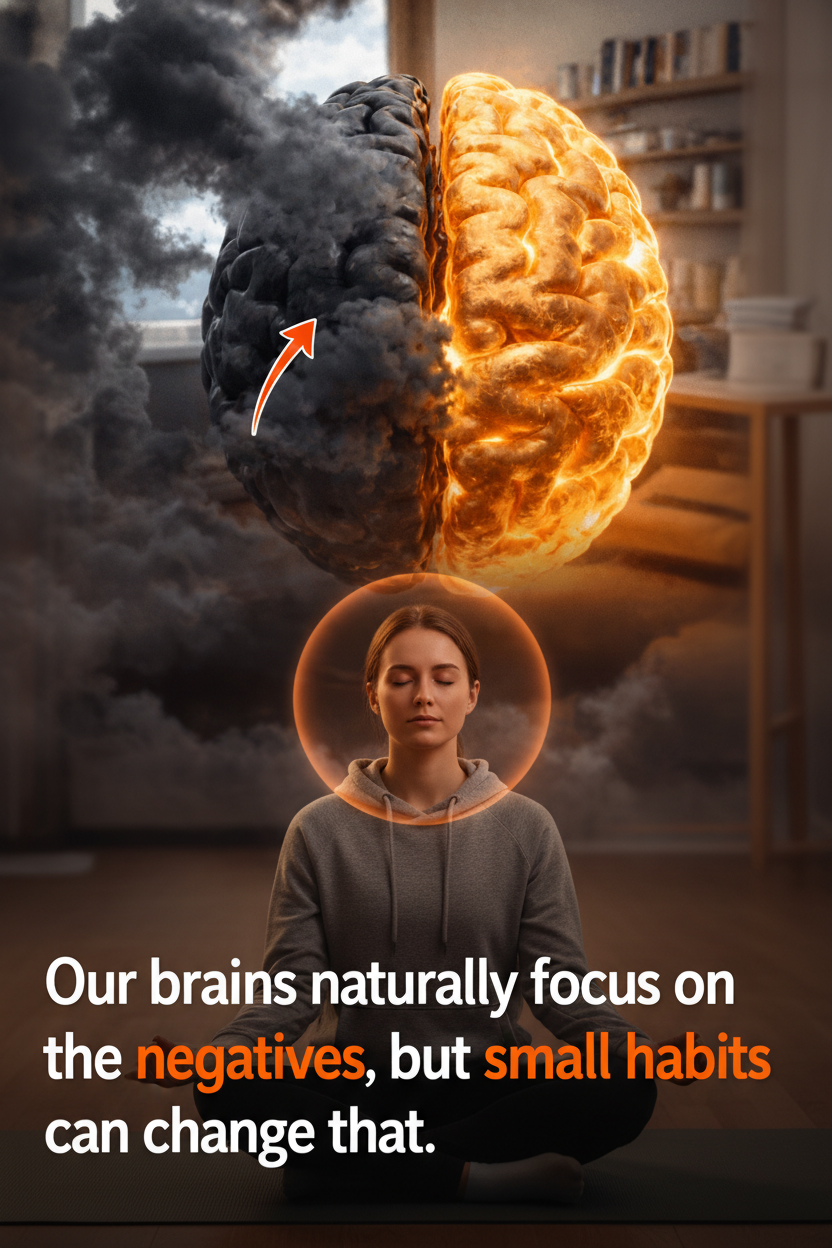
 Have you ever found yourself replaying a single harsh critique from a colleague, even as numerous compliments from friends quickly vanish from memory? Or perhaps a minor obstacle in your day seems to eclipse all the successes you achieved? This common experience isn’t a personal failing; rather, it’s a fundamental aspect of how our brains are organized. Scientific studies consistently demonstrate that adverse events command our attention more intensely and persist in our minds longer than positive ones. This phenomenon is widely recognized as the negativity bias.
Historically, this inherent tendency served a crucial evolutionary purpose, helping our ancestors detect and react to genuine threats in their environment, thereby enhancing survival. However, in our contemporary, largely safe world, this bias frequently leads us to ruminate excessively on worries, criticisms, or minor frustrations, often overshadowing moments of joy and accomplishment. The persistent inclination towards the negative can unnecessarily weigh down daily life, exacerbating stress and obscuring the abundant good that surrounds us.
Yet, there’s an optimistic truth: by integrating simple, daily practices—such as consciously acknowledging positive occurrences or engaging in brief exercises of appreciation—we can gradually cultivate a more balanced perspective. This article will delve into the essence of negativity bias, explore its powerful influence, and present actionable, evidence-informed strategies to gently mitigate its impact. We aim not to promise instant transformations, but rather to offer accessible shifts that many individuals have found profoundly beneficial for their mental well-being.
Understanding Negativity Bias: Our Brain’s Evolutionary Safeguard
At its core, negativity bias describes our mind’s predisposition to assign greater significance and impact to adverse information than to positive or even neutral input. Evolutionary psychologists posit that this cognitive pattern emerged as a critical survival mechanism. In ancestral times, failing to recognize a life-threatening danger—such as a predator or toxic food source—could prove fatal, whereas missing out on a potential reward carried comparatively less risk. This explains why our brains prioritized vigilance against harm.
Advanced brain imaging studies have provided tangible evidence for this phenomenon, revealing more robust neural responses to negative stimuli than to positive ones. Specifically, regions like the amygdala, crucial for processing emotions and fear, exhibit heightened activation when confronted with perceived threats or negative information.
In contemporary society, this inherent bias manifests in numerous subtle yet potent ways. For instance, you might find yourself vividly recalling a sharp criticism from years past, while countless commendations tend to merge into a general positive feeling. Similarly, an otherwise pleasant day can be overshadowed by a single frustrating email that consumes your evening thoughts. Comprehensive research reviews, spanning areas like social judgment and emotional processing, consistently affirm that negative experiences often possess a stronger emotional resonance and tend to persist in our memory for longer durations.
It’s vital to understand that this isn’t an indicator of pessimism; rather, it’s a fundamental aspect of human cognition that historically served to protect us. However, in our comparatively secure modern environment, this bias can inadvertently foster excessive rumination, trigger heightened anxiety in benign circumstances, and prevent us from fully appreciating the numerous positive aspects of our daily lives.
How Negativity Bias Shapes Our Everyday Experiences
The pervasive influence of negativity bias extends across various facets of our lives, profoundly impacting our relationships, professional endeavors, and self-perception. Consider these common scenarios:
- In personal relationships: A single disagreement can unfortunately eclipse weeks or even months of shared harmony, making it challenging to maintain a sense of connection and closeness.
- In the workplace: A solitary piece of constructive criticism, or even a harsh remark, often overshadows recognition received for multiple successful projects, potentially undermining confidence and diminishing motivation.
- In self-dialogue: We frequently find ourselves fixating on past errors or perceived shortcomings instead of acknowledging personal growth and achievements, a habit that can gradually erode self-esteem.
Further research into impression formation and decision-making highlights that negative data carries disproportionately greater weight when we assess individuals or circumstances. This bias is also evident in media consumption, where sensational or negative headlines are demonstrably more effective at capturing public attention—a phenomenon that underpins the adage, “if it bleeds, it leads.” Acknowledging the existence of this cognitive pattern is the crucial initial step towards consciously managing its effects. However, there’s more to discover about how we can actively counteract it.
The Encouraging News: Harnessing Neuroplasticity for a Brighter Outlook
Despite the deeply ingrained nature of negativity bias, the remarkable capacity of the brain for neuroplasticity offers a powerful counterpoint. This means our brains are not static; they possess the ability to reorganize themselves by forming new neural connections and patterns through consistent, intentional habits. While practices such as mindfulness and gratitude won’t eliminate the bias entirely or instantaneously, extensive research indicates they can significantly diminish our automatic reactions to negative stimuli and enhance our capacity to focus on positive experiences.
Mindfulness, for instance, cultivates a mental space that allows you to observe your thoughts and feelings, including negative patterns, without becoming overwhelmed or swept away by them. Studies focusing on emotional regulation have shown that a consistent mindfulness practice can, over time, lead to less intense brain responses when encountering negative information. This helps to reduce the emotional grip of adverse events.
Gratitude, on the other hand, deliberately shifts your focus towards the existing good in your life. By regularly identifying and appreciating things you are thankful for, you actively strengthen the neural pathways associated with positive emotions and reward systems in the brain. Comprehensive reviews of gratitude-based interventions consistently point to modest yet significant improvements in overall well-being and a noticeable reduction in the tendency to constantly dwell on negativity.
The fundamental principle here is that these are not miraculous overnight cures. Instead, they represent gentle, sustainable, and repeatable actions that, when practiced consistently, gradually build mental resilience and foster a more optimistic perspective.
Practical Habits to Gently Reframe Your Focus
Ready to actively cultivate a more balanced and positive mindset? Here are several accessible, evidence-informed habits you can integrate into your daily routine to gently counter the pull of negativity bias:
- Practice Daily Gratitude: Dedicate a few minutes each day to consciously acknowledge things you are thankful for. This could be writing down three specific positive experiences in a gratitude journal, or simply reflecting on them during your morning coffee or evening wind-down. The more specific, the better.
- Engage in Mindful Awareness: Throughout your day, take short “mindfulness breaks.” Pause to notice your breath, the sounds around you, or the sensations in your body without judgment. This helps create a gap between a negative stimulus and your reaction, allowing for a more considered response.
- Savor Positive Experiences: When something good happens, no matter how small, consciously pause to fully experience it. Notice the details, the feelings it evokes, and allow yourself to truly feel the joy. Don’t let positive moments pass unnoticed; actively “milk” them for their emotional benefits.
- Reframe Negative Thoughts: When you catch yourself dwelling on a negative event, try to reframe it. Ask yourself: “Is there another way to look at this?” or “What can I learn from this?” This doesn’t mean ignoring problems, but rather seeking constructive perspectives.
- Limit Exposure to Overly Negative News: While staying informed is important, excessive consumption of negative news can exacerbate negativity bias. Consider setting specific times for news consumption or choosing sources that offer balanced reporting.
- Connect with Positive People: Spend time with individuals who uplift you and foster positive interactions. Our social circles significantly influence our mood and perspective.
Implementing these habits consistently can gradually retrain your brain, helping you to appreciate the positive aspects of life more readily and respond to challenges with greater resilience. Remember, shifting deep-seated cognitive patterns is a journey, not a destination. Be patient and kind to yourself as you integrate these practices.