 By admin
 Understanding Vitamin C Deficiency: Signs, Symptoms, Causes, and Consequences
Introduction: Are You Getting Enough Vitamin C?
Most people are aware that Vitamin C is an indispensable nutrient for overall health. However, you might not realize the extensive and severe health complications that can arise from a deficiency. Also known as ascorbic acid, Vitamin C is pivotal for numerous bodily functions, playing a critical role in maintaining the integrity of your skin, blood vessels, bones, and cartilage. While commonly lauded for its immune-boosting capabilities, a chronic lack of this essential vitamin can lead to much more than just a common cold.
This comprehensive guide will delve into the various signs and symptoms of Vitamin C deficiency, explore the physiological reasons behind their occurrence, and highlight the potential long-term consequences of inadequate intake. By the conclusion of this article, you will gain a profound appreciation for Vitamin C’s importance and learn how to ensure you are consistently meeting your body’s needs to sustain optimal health.
What is Vitamin C and Why is it So Important?
Vitamin C is a water-soluble vitamin, meaning your body doesn’t store it in large amounts and you need a continuous supply through your diet. It’s classified as an essential nutrient because the human body cannot synthesize it internally. Its critical roles in the body are manifold:
- Potent Antioxidant Protection: Vitamin C acts as a powerful antioxidant, diligently neutralizing harmful free radicals that can damage cells and contribute to chronic diseases and aging.
- Crucial for Collagen Synthesis: This vitamin is indispensable for the production of collagen, the primary structural protein found in connective tissues throughout the body. Collagen is vital for the strength and elasticity of skin, the integrity of blood vessels, and the formation of healthy bones and cartilage.
- Robust Immune System Support: Vitamin C significantly bolsters the immune system by enhancing the production and function of various white blood cells, which are the body’s frontline defenders against pathogens and infections.
Without sufficient levels of Vitamin C, your body’s capacity to perform these fundamental biological processes is severely compromised, paving the way for a cascade of adverse symptoms and health challenges.
1. Early Indicators of Vitamin C Deficiency
When your dietary intake of Vitamin C is insufficient, the initial indicators of a deficiency can be subtle and often go unnoticed. You might simply attribute feeling unusually tired or experiencing minor skin irritations to everyday stressors, but these could be your body signaling a critical lack of this vital nutrient.
Common Early Signs and Symptoms:
- Persistent Fatigue and Weakness: Vitamin C plays a role in energy metabolism and overall vitality. Low levels can manifest as unexplained tiredness, lethargy, and a general feeling of weakness, impacting your daily productivity.
- Increased Susceptibility to Infections: Given Vitamin C’s role in immune modulation, a deficiency can weaken your body’s defenses, leading to more frequent bouts of colds, flu, and other infections, alongside a slower recovery time from illness.
- Dry, Rough Skin: As Vitamin C is fundamental for collagen synthesis, inadequate amounts can disrupt skin health, resulting in dry, flaky, and unhealthy-looking complexions that may also feel rough to the touch.
- Easy Bruising: The integrity of small blood vessels (capillaries) beneath the skin relies on collagen. A deficiency can make these vessels fragile, leading to easy bruising and the appearance of tiny red or purple spots (petechiae) even from minor impacts.
If you observe any of these warning signs, it’s prudent to review your dietary habits and consider increasing your intake of Vitamin C-rich foods or discussing supplementation with a healthcare professional.
2. Advanced Symptoms and Consequences of Severe Vitamin C Deficiency
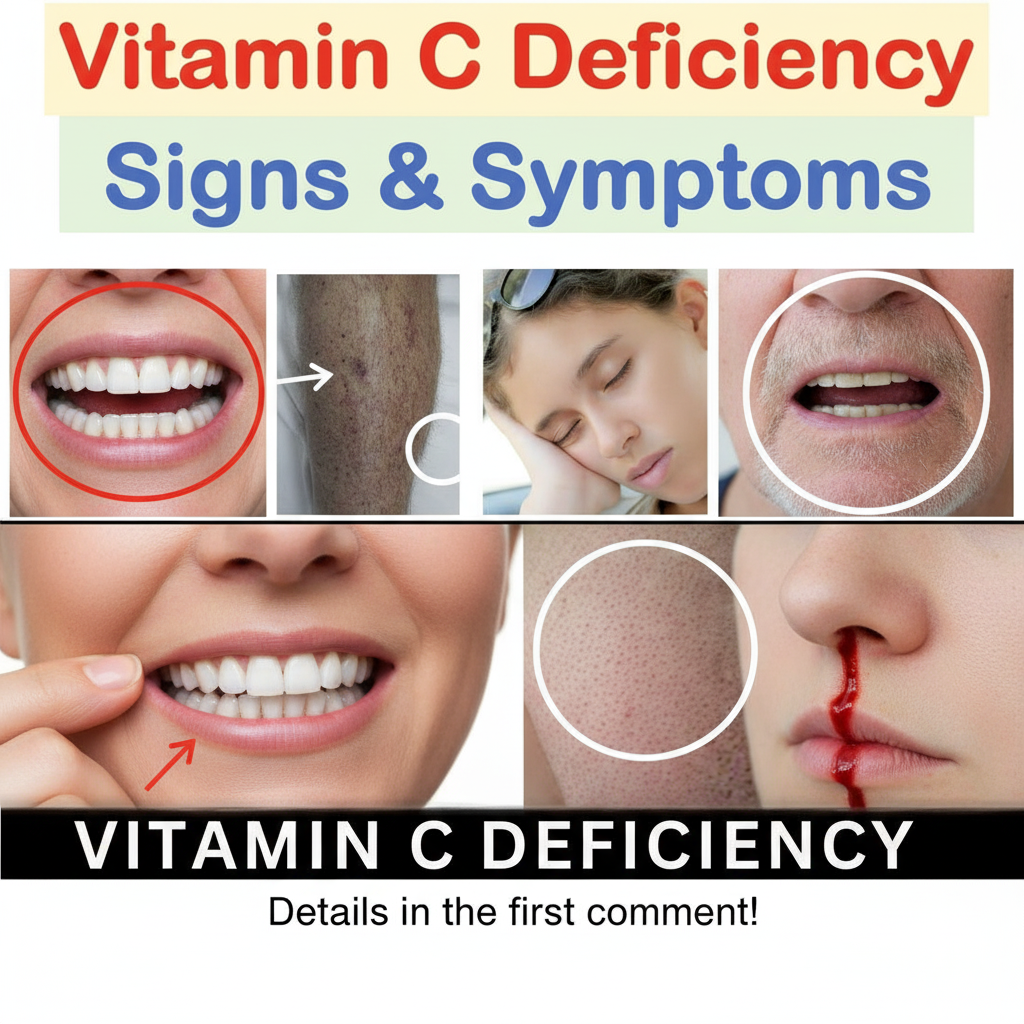
As Vitamin C deficiency progresses without intervention, the symptoms intensify and can impact multiple organ systems, leading to more profound and potentially irreversible health issues, including significant tissue and organ damage.
Advanced Manifestations and Their Impact:
- Severe Gum Disease: One of the most distinctive and debilitating signs of advanced Vitamin C deficiency is severe gum disease, often presenting as swollen, inflamed, purple, and bleeding gums. Without adequate Vitamin C, the collagen supporting gum tissue deteriorates, leading to gum recession, tooth loosening, and in severe cases, tooth loss.
- Scurvy: Left untreated, severe and prolonged Vitamin C deficiency culminates in scurvy. This historical disease is characterized by extreme fatigue, profound weakness, widespread joint and muscle pain, spontaneous bruising, swollen and bleeding gums, and anemia. In its most severe forms, scurvy can be life-threatening if not addressed promptly.
- Joint Pain and Swelling: The integrity of cartilage and connective tissues in joints relies heavily on collagen. A lack of Vitamin C can lead to weakened connective tissue, resulting in chronic joint pain, stiffness, and noticeable swelling, significantly impairing mobility and quality of life.
- Impaired Wound Healing: Vitamin C is absolutely critical for all stages of wound repair and tissue regeneration. A deficiency dramatically slows down the healing process for cuts, bruises, surgical incisions, and other injuries, increasing the risk of infection and complications.
Why These Symptoms Occur: The Physiological Breakdown
The array of symptoms associated with Vitamin C deficiency stems directly from its multifaceted roles in the body. When Vitamin C levels are inadequate, the body’s ability to synthesize collagen is severely compromised. This leads to the breakdown of connective tissues everywhere—from the skin and blood vessel walls to gums and joint cartilage. Simultaneously, the immune system’s efficacy is diminished, making the body vulnerable to infections and hindering its ability to fight them off effectively. In extreme cases, this systemic breakdown due to collagen impairment is the root cause of scurvy, highlighting Vitamin C’s indispensable role in maintaining the structural and functional integrity of virtually every bodily system.
3. Why Does Vitamin C Deficiency Occur?
Understanding the root causes of Vitamin C deficiency is paramount for effective prevention and management. While often preventable, several factors can contribute to inadequate levels of this crucial nutrient.
Primary Causes of Vitamin C Deficiency:
- Inadequate Dietary Intake: The most prevalent cause is simply not consuming enough Vitamin C-rich foods. Modern diets, often lacking in fresh fruits and vegetables, or relying heavily on processed foods, are a significant contributor.
- Increased Physiological Needs: Certain conditions and lifestyle factors can dramatically increase the body’s demand for Vitamin C, making a standard intake insufficient. These include:
- Smoking: Smokers require significantly more Vitamin C than non-smokers due to increased oxidative stress and metabolic turnover of the vitamin.
- Pregnancy and Lactation: The body’s needs increase to support both the mother and the developing fetus or infant.
- Chronic Stress and Illness: Prolonged physical or psychological stress, as well as chronic diseases, can deplete Vitamin C reserves.
- Certain Medications: Some drugs can interfere with Vitamin C absorption or increase its excretion.
- Malabsorption Issues: Conditions affecting the digestive system, such as Crohn’s disease, ulcerative colitis, or other gastrointestinal disorders, can impair the absorption of nutrients, including Vitamin C, even if dietary intake is adequate.
- Alcoholism: Chronic alcohol abuse can lead to poor nutritional intake, damage the digestive tract, and impair nutrient absorption and metabolism, significantly increasing the risk of Vitamin C deficiency.
Conclusion: Prioritizing Your Vitamin C Intake
Vitamin C is far more than just an immune booster; it’s a cornerstone of overall health, vital for everything from skin integrity and bone strength to protecting your cells from damage. The spectrum of symptoms, from subtle fatigue and dry skin to severe scurvy and debilitating joint pain, underscores the critical importance of maintaining adequate levels. By understanding the signs, symptoms, and underlying causes of Vitamin C deficiency, you are empowered to make informed dietary choices and lifestyle adjustments to safeguard your health.
Ensure your diet is rich in a variety of fresh fruits and vegetables, such as oranges, strawberries, kiwis, bell peppers, and broccoli, to consistently meet your body’s Vitamin C requirements. If you suspect a deficiency or have increased needs, consulting with a healthcare professional can provide personalized advice and ensure you stay vibrant and healthy.