 By admin
 Many of us have observed subtle lines extending from the base of our nails to their tips. If you’ve noticed these faint vertical ridges on your fingernails, you’re in good company. Research indicates that more than 80% of adults will develop some degree of vertical nail ridging as they grow older. For some individuals, these distinct lines may emerge as early as their twenties or thirties, while for others, they become apparent later in life. While it’s common to view these ridges as a benign aspect of the aging process, they can occasionally signify more than just the natural progression of time.
Should you find yourself pondering if these lines might be indicative of a deeper issue—such as nutritional shortcomings, specific lifestyle choices, or even subtle underlying health concerns—this comprehensive guide aims to provide the answers you seek. Our goal is that by the time you finish reading, you will possess a clear understanding of why these ridges develop, when their presence is entirely normal, and precisely when they might warrant closer examination or professional advice.
Vertical nail ridges are characterized by elevated lines that traverse the nail plate from its base, near the cuticle, all the way to its free edge. In contrast to horizontal ridges, which can sometimes signal more urgent health concerns, vertical ridges are frequently a natural consequence of the nail’s aging trajectory. Their formation is linked to a deceleration in cell turnover within the nail matrix—the tissue beneath your cuticle responsible for generating new nail cells—resulting in less uniform growth.
To provide a foundational understanding, consider these key points:
- They are prevalent among individuals of all genders.
- Their prominence typically increases with advancing age.
- For the majority of people, they pose no health risk.
Nevertheless, the existence of these ridges can occasionally bring attention to certain health discrepancies that merit investigation.
Exploring the Common Causes of Vertical Nail Ridges
Grasping the underlying reasons for the emergence of these ridges is fundamental to effectively managing or mitigating them. The origins of vertical nail ridges can span a spectrum from entirely benign factors to more significant health indicators.
1. The Natural Process of Aging
Much like the appearance of fine lines and wrinkles on our skin, the formation of ridges on our nails is often an inherent part of growing older. As we age, the nail matrix—the specialized tissue located beneath your cuticle that is responsible for generating new nail cells—tends to slow down its production rate. This reduced cellular activity can result in textural alterations and unevenness on the nail’s surface.
2. Insufficient Hydration and Dryness
Similar to our skin, nails require adequate moisture to maintain their optimal health and appearance. When nails become dehydrated, they often manifest as brittle, coarse, and ridged. Factors such as frequent exposure to water through handwashing, the use of aggressive or stripping soaps, and an overall lack of internal hydration can all play a role in this condition.
3. Deficiencies in Essential Nutrients
Optimal nail development relies heavily on the presence of specific vitamins and minerals. A shortage of these vital nutrients can often present itself through symptoms like noticeable ridges or increased nail brittleness.
| Nutrient | Role in Nail Health | Signs of Deficiency |
|---|---|---|
| Biotin (B7) | Crucial for keratin structure | Fragile, easily broken nails |
| Iron | Facilitates oxygen delivery to the nail bed | Concave (spoon-shaped) or ridged nails |
| Zinc | Essential for cellular repair and growth | Reduced nail growth rate |
| Vitamin A & C | Key for collagen synthesis | Lackluster, irregular nail surface |
4. Underlying Medical Conditions
In certain instances, the appearance of vertical ridges can serve as an indicator of deeper, underlying health problems. Some notable examples include:
- Anemia: Often associated with an iron deficiency, which directly impacts nail health.
- Arthritis: The inflammatory processes linked with this condition can sometimes interfere with proper nail formation.
- Thyroid disorders: Imbalances in thyroid function have the potential to significantly modify both the texture and growth patterns of the nails.
It is highly advisable to seek consultation with a healthcare professional if these ridges are accompanied by additional alterations, such as shifts in nail color, noticeable thickening, or persistent splitting.
When to Seek Professional Advice Regarding Your Nail Ridges
It’s important to recognize that not all nail ridges carry the same significance. While the majority are benign, specific characteristics and accompanying symptoms warrant a more thorough investigation.
- Abrupt appearance of pronounced, deep ridges: This could signal a recent shift or imbalance in your overall health.
- Concomitant discoloration: The presence of yellow, brown, or black streaks within the nail or beneath it necessitates prompt medical evaluation.
- Increased brittleness accompanied by pain: These symptoms together might point towards an infection or broader systemic health issues.
As a general guideline, if you observe that your vertical ridges have developed suddenly, or if they are accompanied by any other concerning symptoms, it is always prudent to schedule an appointment with your physician for a professional assessment.
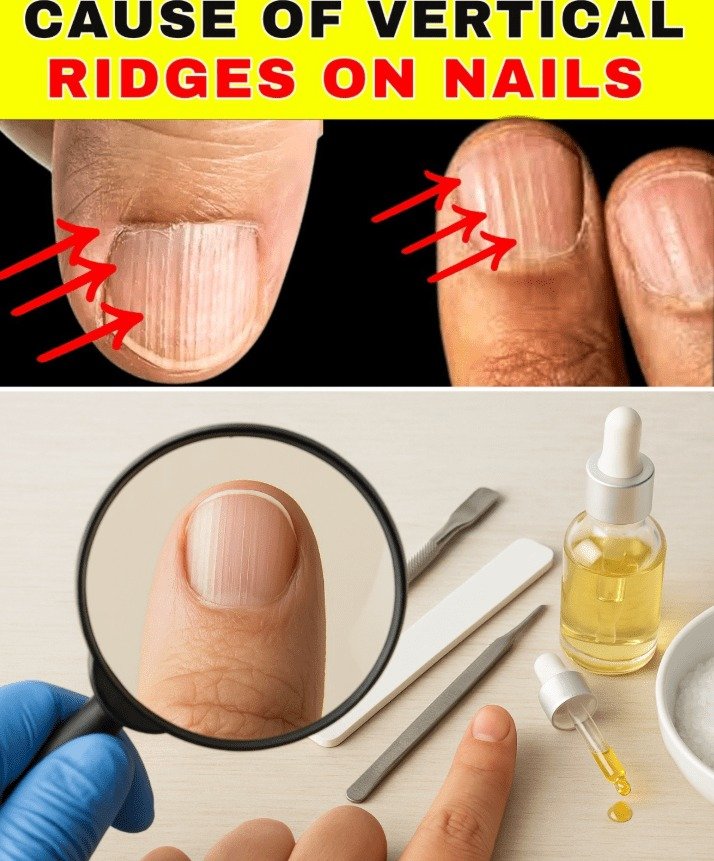
Strategies to Enhance the Look of Vertical Nail Ridges
Fortunately, with diligent and consistent care, it is often possible to significantly diminish the visibility of vertical ridges or even prevent their formation altogether.
Prioritizing Hydration and Moisturizing
- Ensure you apply a high-quality hand cream and a nourishing cuticle oil every single day.
- Make it a habit to wear protective gloves whenever you are washing dishes or engaging in household cleaning tasks.
Emphasizing Optimal Nutrition
- Integrate foods abundant in biotin, such as eggs, various nuts, and seeds, into your regular dietary intake.
- Incorporate iron-rich selections like spinach, lentils, and lean cuts of meat to support overall health.
- Maintain consistent hydration by consuming a minimum of 6 to 8 glasses of water throughout the day.
Practicing Gentle Nail Care Techniques
- When filing your nails, always move the file in a single direction to minimize the risk of splitting and damage.
- Steer clear of aggressive chemical products, particularly nail polish removers that contain acetone.
- Regularly trim your nails to a manageable length, which helps alleviate undue stress on the delicate nail bed.
Considering Professional and Cosmetic Solutions
For those who find the cosmetic appearance of ridges bothersome, products such as buffing blocks or specialized ridge-filling base coats can offer a temporary solution by creating a smoother nail surface. It is crucial, however, to exercise caution, as excessive buffing can lead to thinning of the nail plate; therefore, a balanced and moderate approach is essential.
Personal Journeys: Insights from Real-Life Experiences
Consider the case of Sarah, a 45-year-old educator who began to notice prominent ridges on her nails following a particularly demanding year. By implementing targeted dietary modifications—incorporating more leafy green vegetables and a daily multivitamin supplement—and maintaining a rigorous moisturizing regimen, she observed a noticeable enhancement in her nail condition within a mere three months.
Similarly, David, a 60-year-old who had recently retired, initially attributed his nail ridges solely to the natural aging process. However, when he also began experiencing persistent fatigue and exceptionally brittle nails, he decided to consult his physician. His doctor’s evaluation revealed significantly low iron levels. Addressing this iron deficiency not only revitalized his energy levels but also dramatically improved the overall health and appearance of his nails.
These compelling narratives underscore a crucial observation: while nail ridges are often innocuous, they can also serve as valuable indicators. Paying close attention to such subtle bodily changes has the potential to facilitate the early detection of underlying health shifts.
Proactive Measures for Sustained Nail Health
- Maintain a balanced and nutritious diet: Prioritize the consumption of whole foods, adequate protein, and a wide array of essential micronutrients.
- Ensure consistent hydration: Both your nails and skin depend on a steady supply of moisture to remain healthy and resilient.
- Implement hand protection: Wearing gloves during household chores or when exposed to harsh elements will effectively prevent undue dryness and damage.
- Schedule regular medical check-ups: A straightforward blood test can often identify or rule out potential nutritional deficiencies that impact nail health.
By integrating comprehensive nail care into your broader self-care routine, you are not merely enhancing their aesthetic appeal but also actively fostering your well-being from within.
Conclusion
Vertical nail ridges are a widely observed phenomenon, frequently serving as a natural indicator of the aging process or a reflection of various lifestyle factors. For the vast majority of individuals, their presence is entirely benign and not a cause for alarm. Nevertheless, it is important to remember that these ridges can, on occasion, signify more profound health conditions, particularly if their appearance is abrupt or if they are accompanied by other noticeable symptoms.
Frequently Asked Questions (FAQs)
Are vertical ridges on fingernails considered normal?
Indeed, they are a very common occurrence, especially as one ages, and are typically innocuous.
Is it true that vitamins can genuinely improve nail health?
Absolutely. Insufficiencies in crucial nutrients such as iron, zinc, or biotin can directly impact nail condition, underscoring the vital role of a balanced diet.
When should I consult a medical professional?
It is advisable to seek a doctor’s opinion if the ridges emerge suddenly, rapidly become more pronounced, or are accompanied by discomfort, pain, or any form of discoloration.
Is it possible to completely eliminate vertical nail ridges?
While consistent and proper care can significantly diminish their prominence and improve their appearance, the natural aging process may still contribute to their formation.
Disclaimer: Please be aware that the information presented in this article is intended solely for general informational purposes and should not be construed as a substitute for professional medical advice, diagnosis, or treatment. Always seek the guidance of a qualified healthcare provider for any questions or concerns regarding your health or a medical condition.