 By admin
 Understanding Vertical Nail Ridges After 40: Causes, When to Worry, and Essential Care Tips
As we gracefully navigate life beyond our 40s, many individuals begin to observe subtle yet distinct vertical lines on their fingernails. While often dismissed as a normal aspect of aging, these longitudinal ridges can sometimes spark curiosity or even concern about underlying health. It’s reassuring to know that these nail changes are remarkably common and, in most cases, entirely benign. However, understanding their origins and knowing when to seek professional advice is crucial for maintaining optimal nail health. This comprehensive guide will delve into the primary causes of these vertical nail ridges after 40, highlight critical signs that warrant medical attention, and provide actionable nail care tips to foster stronger, smoother nails.
What Are Vertical Lines on Nails?
Referred to scientifically as longitudinal ridging, vertical lines on nails manifest as subtle grooves or slightly elevated lines extending from the nail’s base, near the cuticle, all the way to its free edge. Their prominence can vary, often becoming more noticeable with advancing age. The science behind this phenomenon points to the nail matrix, the crucial tissue beneath the cuticle responsible for generating new nail cells. With age, the cell turnover rate within this matrix naturally slows down. This deceleration directly impacts the production and even distribution of keratin, the primary protein component of our nails. Much like the emergence of fine lines on our skin or the thinning of hair, these aging nail changes are a physiological part of the maturation process. Typically, these ridges are asymptomatic, presenting as either smooth or mildly textured surfaces without accompanying discomfort or pain.
Main Causes of Vertical Nail Ridges After 40
While the appearance of vertical nail ridges is often a harmless sign of time’s passage, understanding their root causes can provide clarity and guide proactive nail care strategies.
1. The Natural Aging Process: Unquestionably, the most prevalent factor contributing to longitudinal lines on nails is natural aging. As supported by leading health institutions, the efficiency of cell regeneration within the nail matrix diminishes over time. This age-related slowdown is a primary driver for the increased visibility and number of these ridges, which are generally considered benign and require no specific medical intervention.
2. Inadequate Moisture and Dryness: Just as skin tends to become drier with age, nails also experience a reduced capacity to retain moisture. This can lead to brittle nails and exacerbate the appearance of existing ridges. Common daily activities, such as frequent handwashing, exposure to harsh chemical cleansers, or even certain soaps, can strip away the nails’ vital natural oils, further compromising their hydration and making the ridges more prominent.
3. Nutritional Deficiencies: A balanced diet is fundamental for overall health, including the strength and appearance of your nails. Certain micronutrient deficiencies can compromise nail structure, potentially making ridges more pronounced. Key nutrients vital for robust nail health include:
- Biotin (Vitamin B7): Essential for keratin production, the building block of strong nails.
- Iron: Crucial for oxygen transport to nail tissues, supporting their growth and vitality.
- Zinc: Plays a significant role in cell growth, repair, and maintaining structural integrity.
- Magnesium: Involved in numerous enzymatic reactions, including protein synthesis vital for healthy nails.
Post-40, the body’s ability to efficiently absorb these nutrients can sometimes decrease, even with a seemingly adequate diet, potentially leading to more visible nail changes.
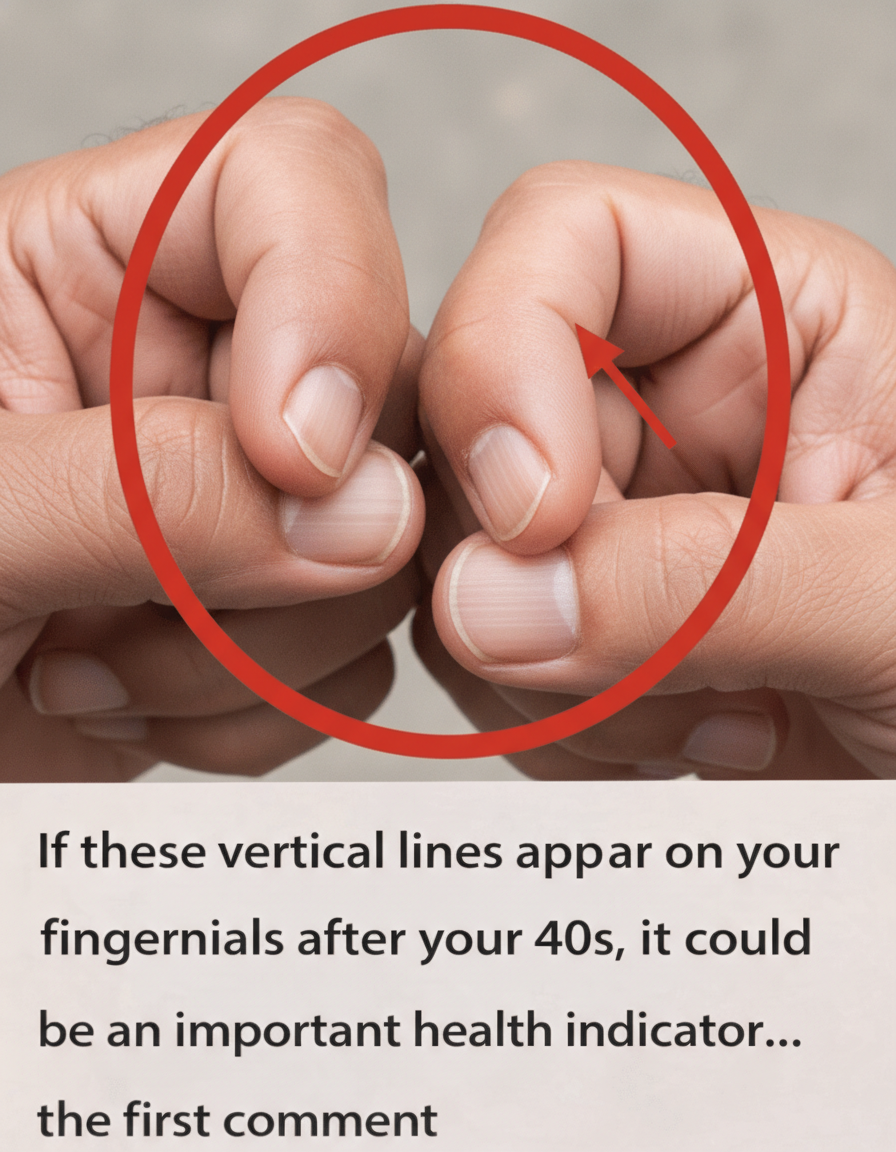
4. Underlying Health Conditions: In some instances, vertical nail ridges can be an indicator of broader systemic health issues. For example, thyroid disorders, particularly hypothyroidism, are known to cause brittle, ridged nails, often accompanied by symptoms such as persistent fatigue, hair thinning, or increased sensitivity to cold. Less commonly, conditions affecting circulation or certain autoimmune diseases might also manifest through nail changes.
5. Lifestyle Factors and Trauma: Beyond internal factors, external elements significantly impact nail appearance. Chronic dehydration can contribute to overall dryness, affecting nail pliability. Furthermore, repeated trauma, such as aggressive manicures, improper filing techniques, or even habitual nail biting, can damage the nail matrix and amplify the visibility of existing ridges.
When Should You See a Doctor?
While the vast majority of vertical nail ridges are harmless, certain accompanying symptoms or abrupt changes should prompt immediate consultation with a healthcare provider. Be vigilant for the following warning signs:
- Sudden Discoloration: The appearance of a new, dark streak or band running vertically across the nail, especially if it’s changing in size or color.
- Significant Structural Changes: Frequent or severe splitting, unusual thickening, or persistent peeling of the nail plate.
- Inflammation or Discomfort: Any pain, swelling, redness, or signs of inflammation in or around the nail bed.
These indicators could signify more serious underlying conditions, ranging from a treatable fungal infection or a physical injury to, in rare but critical cases, subungual melanoma – a form of skin cancer that develops beneath the nail. Early detection and diagnosis are paramount for effective treatment, so do not delay seeking medical advice if you observe any concerning or sudden nail changes.
How to Support Your Nail Health as You Age
The positive news is that adopting a consistent and mindful nail care routine can significantly enhance the strength, appearance, and overall health of your aging nails. Here’s a practical, multi-faceted approach you can integrate into your daily life:
- Prioritize Consistent Moisturization: Just as you moisturize your skin, your nails and cuticles also crave hydration. Make it a habit to apply a high-quality hand cream or specialized cuticle oil immediately after washing hands, showering, or whenever your hands feel dry. This practice helps to lock in moisture, improve nail flexibility, and minimize the prominence of vertical lines.
- Ensure Adequate Internal Hydration: Don’t underestimate the power of water. Drinking plenty of water throughout the day is crucial for overall bodily hydration, which in turn impacts the moisture content and resilience of your nails from within.
- Embrace a Nutrient-Rich Diet: Fueling your body with essential vitamins and minerals is key to strong nails. Incorporate foods rich in biotin (e.g., eggs, nuts, sweet potatoes), iron (e.g., leafy greens, lean meats), zinc (e.g., legumes, seeds), and magnesium (e.g., avocados, dark chocolate). If dietary intake is a concern, consult with a healthcare professional about suitable supplements.
- Protect Your Hands and Nails: When engaging in household chores involving water or harsh chemicals, always wear gloves. This simple step creates a protective barrier against moisture loss and chemical damage, preventing brittle nails and preserving their natural oils.
- Gentle Nail Care Practices: Avoid aggressive filing, cutting cuticles too deeply, or using metal tools that can damage the nail matrix. Opt for gentle shaping with a fine-grit file, always filing in one direction. Consider professional manicures that prioritize nail health over aesthetics.
- Limit Exposure to Harsh Nail Products: Be mindful of nail polish removers containing acetone, which can be extremely drying. Choose acetone-free alternatives and give your nails “breather” periods without polish to allow them to rehydrate naturally.
By consistently applying these nail care tips, you can actively support the health and appearance of your nails, helping them look smoother and stronger as you age.