 By admin
 Understanding Small White Spots on Skin: Common Causes, Appearance, and Essential Skin Care Tips
Introduction: Noticing Changes in Your Skin
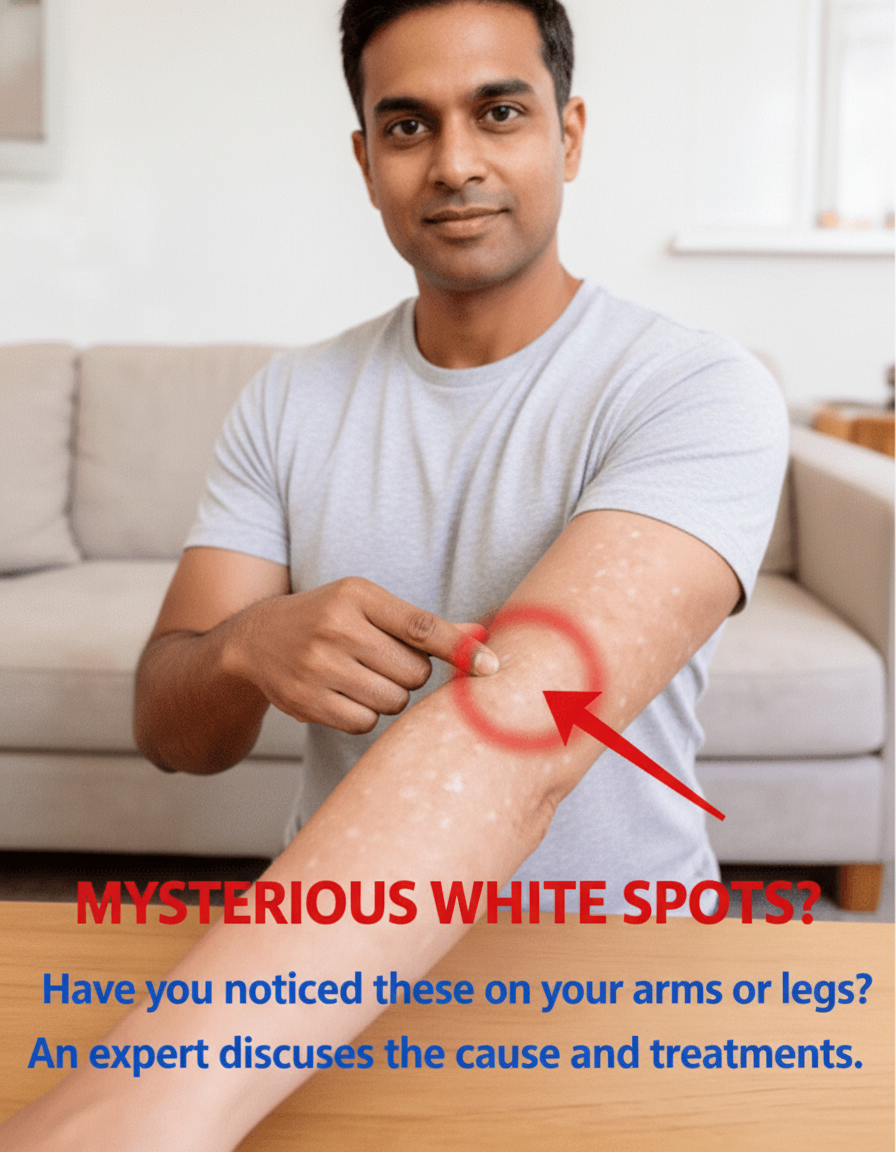
It’s quite common to observe small white spots developing on your arms or legs, prompting questions about their origin and significance. Initially, these minor skin alterations might seem insignificant. However, they often become more pronounced over time, particularly under direct sunlight. The appearance of such spots can understandably cause concern, as many individuals are unsure if they represent a normal physiological change or an indication of an underlying skin condition. Fortunately, dermatological experts frequently link these spots to ordinary skin processes. By the conclusion of this article, you will have a clearer understanding of their potential causes and discover practical daily skin care habits that can contribute to healthier-looking skin.
What Exactly Are Small White Spots on Your Skin?
Observing small white spots, particularly on the arms or legs, is a widespread occurrence, especially prevalent among adults and the elderly. Extensive dermatology research points to various potential explanations, many of which revolve around the intricate way skin pigment functions and changes over time. Frequently, these white spots on the skin signify areas where the body produces reduced amounts of melanin, the crucial pigment responsible for giving skin its characteristic color. When melanin synthesis diminishes in localized patches, the surrounding skin can appear relatively darker, thereby making the lighter spots more conspicuous. Nevertheless, this isn’t the sole explanation; numerous other conditions can also lead to this visual effect, and grasping these distinctions is key to alleviating undue anxiety.
Common Reasons for the Appearance of White Spots on Skin
1. Idiopathic Guttate Hypomelanosis (IGH)
Often cited by dermatologists, Idiopathic Guttate Hypomelanosis (IGH) stands out as a primary explanation for these small white spots. IGH manifests as tiny, depigmented lesions, typically found on areas regularly exposed to the sun, including:
- Arms
- Legs
- Shoulders
- Upper back
Characteristically, these spots are:
- Round or oval in shape
- Smooth and flat to the touch
- Asymptomatic (not itchy or painful)
Scientific studies suggest a strong correlation between IGH and prolonged sun exposure, alongside the natural process of skin aging. It’s crucial to note: IGH typically develops progressively over many years and is widely regarded as a harmless cosmetic alteration, not a medically concerning condition.
2. Long-Term Sun Exposure and Pigment Irregularities
Our skin is a dynamic organ, continuously adjusting to various environmental influences, with sunlight being a significant factor. Over extended periods, recurrent exposure to solar radiation can profoundly affect the performance of pigment-producing cells within the skin. This can lead to an imbalance: certain regions may heighten melanin production, while others might reduce it. Such inconsistent cellular activity often results in noticeable contrasts on the skin’s surface. Research published in reputable dermatology journals frequently highlights that UV exposure is a key contributor to these pigment irregularities, particularly in individuals who have spent considerable time outdoors throughout their lives.
3. Mild Fungal Imbalance (Tinea Versicolor)
A further potential origin for white spots on the skin is an overgrowth of a common yeast, Malassezia, which naturally resides on human skin. Under specific environmental conditions, this yeast can proliferate excessively, leading to the formation of lighter, sometimes scaly, patches. These conducive conditions include:
- Humid and warm climates
- Periods of increased sweating
- Naturally oily skin types
These characteristic patches often manifest on the:
- Arms
- Chest
- Back
- Neck
They may present with a subtly dry or flaky texture. It’s important to remember, however, that not all instances of hypopigmentation are attributable to this fungal imbalance. Therefore, if you observe sudden or significant changes in your skin, seeking a professional dermatological assessment is advisable.
4. Skin Dryness and Altered Texture
Occasionally, the explanation for localized lighter areas on the skin is considerably more straightforward. Severely dry skin can lead to patches that refract light disparately, causing them to appear lighter in contrast to the surrounding, adequately hydrated skin. This phenomenon is particularly common during:
- Fluctuations in seasonal weather
- Regularly taking hot showers
- Exposure to environments with low humidity
Consistently ensuring adequate skin hydration and moisturization can significantly contribute to enhancing the skin’s overall appearance and uniformity.
A Comparative Overview of Common White Spot Causes
To provide a clearer understanding, here’s a brief comparison of the common causes of white spots on the skin:
| Possible Cause | Typical Appearance | Common Location | Additional Clues |
|---|---|---|---|
| Idiopathic Guttate Hypomelanosis | Small, distinct round or oval white spots | Arms, legs, shoulders, upper back | Develops gradually with age; often linked to sun exposure |
| Sun-Related Pigment Changes | Irregular, uneven lighter patches | Frequently sun-exposed areas (face, arms, chest) | Strongly associated with cumulative UV exposure over years |
| Mild Fungal Imbalance (Tinea Versicolor) | Light patches, sometimes with fine scaling or flakiness | Chest, back, neck, arms | More prevalent in warm, humid climates; may worsen with sweat |
| Skin Dryness | Dull, lighter, sometimes rough-textured areas | Can appear anywhere on the body | Often improves significantly with consistent moisturizing |
By familiarizing yourself with these distinct patterns, you can gain better insight into any skin changes you observe. However, comprehending the causes is just one part of the picture.
Why White Spots on Skin Become More Apparent with Age
Many individuals report that they only begin to notice these small white spots later in their lives. This increased visibility can be attributed to several natural processes associated with skin aging:
- Uneven Melanin Production: As we age, the efficiency and uniformity of melanin production in skin cells can diminish. Some melanocytes (pigment-producing cells) may become less active or even disappear in certain areas.
- Slower Skin Cell Turnover: The rate at which old skin cells are replaced by new ones slows down considerably with age. This can make existing pigment irregularities more persistent and visible.
Consequently, subtle pigment variations that were previously unnoticeable can gradually become quite distinct. Furthermore, extensive dermatological research consistently indicates that the cumulative effects of decades of sun exposure play a significant role in influencing and accelerating these age-related pigmentary changes, making the white spots on skin more pronounced.