 By admin
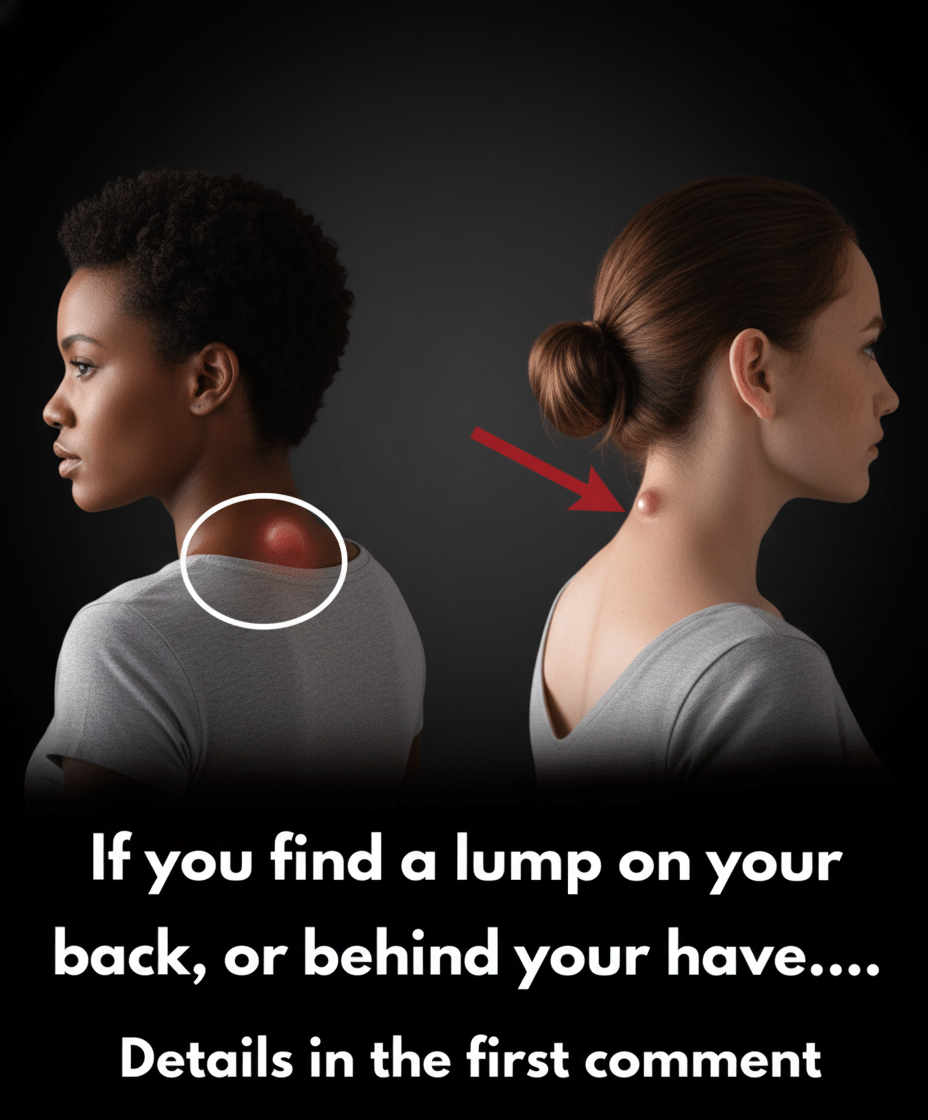
 Encountering a new lump or cyst beneath your skin can understandably trigger immediate concern, prompting questions about its nature and potential seriousness. Such unexpected discoveries often lead to apprehension regarding one’s health, particularly if they persist or subtly evolve over time. However, it’s reassuring to know that many skin lumps and cysts are quite common and harmless. Developing a calm, informed approach to observing these changes can empower you to respond effectively. Join us as we explore the essential signs that can provide unexpected clarity and peace of mind.
🩺 Why Early Awareness of Skin Lumps and Cysts Promotes Peace of Mind
Becoming aware of skin lumps and cysts can often intensify worries about underlying health conditions, transforming routine self-care into moments of anxiety. Yet, the majority of these formations arise from everyday occurrences, such as clogged glands or minor skin irritations, as frequently noted in dermatological guides. They can manifest on any part of the body, from the neck and back to the armpits. Learning to identify their typical characteristics is crucial for differentiating between benign growths and those that warrant medical scrutiny. A comforting fact is that many lumps and cysts either disappear on their own or remain stable without requiring intervention. The lingering unease stemming from the unknown can be significantly alleviated by knowledge gleaned from credible health sources, which advocates for informed self-monitoring. While sudden discoveries might shake your confidence in your body, and uncertainty can heighten daily stress, early and informed awareness paves the way for proactive, calm decision-making regarding your health.
🔍 Common Types of Skin Lumps and Cysts You Might Encounter
While discovering a new bump can initially be unsettling, many types of skin lumps and cysts are benign and easily identifiable. Understanding these common varieties, as described by medical professionals, can help alleviate anxiety:
- Epidermoid Cysts: These are typically firm, round growths beneath the skin, filled with keratin (a protein found in skin and hair). They are usually painless unless they become inflamed or ruptured, and they result from trapped skin cells.
- Lipomas: Representing soft, movable collections of fatty tissue, lipomas grow slowly and seldom cause discomfort. They often feel pliable or “doughy” when touched.
- Swollen Lymph Nodes: Often tender to the touch, these small, pea-sized lumps are typically a sign of the body fighting a nearby infection. They are part of your immune system.
- Sebaceous Cysts: These arise from blocked or damaged oil glands in the skin. While sometimes confused with epidermoid cysts, sebaceous cysts can become inflamed and may occasionally discharge a thick, yellowish, foul-smelling material.
| Type | Feel/Appearance | Common Cause |
|---|---|---|
| Epidermoid Cyst | Firm, round, often with a central pore | Accumulation of skin cells |
| Lipoma | Soft, easily movable, rubbery | Overgrowth of fatty tissue |
| Swollen Lymph Node | Tender, small, typically mobile | Response to infection or inflammation |
| Sebaceous Cyst | Dome-shaped, sometimes with a dark punctum; may discharge | Blocked sebaceous (oil) gland |
⚠️ Signs That a Lump or Cyst Might Need Closer Attention
While many skin lumps and cysts are harmless, certain changes can indicate a need for medical evaluation. Experiencing pain in a lump or cyst, which might make daily activities uncomfortable, often signals inflammation or infection. It’s crucial to be vigilant for the following red flags:
- Rapid growth: Any lump or cyst that noticeably increases in size over a short period.
- Inflammation signs: The presence of redness, warmth, or tenderness around the area, suggesting irritation or infection.
- Unusual discharge: Any fluid, pus, or other material draining from the lump or cyst, particularly if it has an unpleasant odor.
- Systemic symptoms: Experiencing a fever or unexplained fatigue alongside the lump or cyst.
Healthcare professionals strongly recommend seeking timely medical advice if you observe any of these significant changes in your lumps or cysts.
🏥 When to Consult a Professional About Your Lump or Cyst
Determining whether a lump or cyst necessitates professional medical attention can be daunting, especially when it causes ongoing discomfort or worry. It is advisable to seek a medical evaluation if you notice any of the following:
- The lump or cyst exhibits a significant and rapid increase in size.
- Pain associated with the growth becomes persistent or intensifies.
- There are noticeable alterations in its shape, color, or if it becomes fixed (immovable) to underlying tissues.
- You develop accompanying systemic symptoms, such as an unexplained fever, night sweats, or unintentional weight loss.
A professional assessment can offer clarity and reassurance, often involving straightforward physical examinations or imaging studies as guided by clinical protocols.
🛡️ Gentle Home Monitoring Tips for Skin Lumps and Cysts
Mindful self-monitoring of skin lumps and cysts can provide a sense of control and reduce anxiety without resorting to potentially harmful self-treatments. While warm compresses might offer temporary relief for mild irritation, they do not address the root cause. Here are some practical steps for responsible home observation:
| Step | Action | Why It Helps |
|---|---|---|
| 1 | Regularly inspect the affected area in good lighting. | Facilitates early detection of subtle changes. |
| 2 | Document the lump’s size, texture, and any associated symptoms in a personal journal. | Creates an accurate record for medical consultations. |
| 3 | Maintain good skin hygiene with gentle cleansing. | Minimizes the risk of irritation or secondary infection. |
| 4 | Refrain from squeezing, picking, or attempting to drain the lump or cyst. | Prevents potential infection, inflammation, or scarring. |
Additionally, ensuring adequate hydration and maintaining overall personal hygiene are beneficial. Opt for loose-fitting clothing to reduce friction on the affected area. The goal is to observe diligently without succumbing to excessive worry.
🌿 Factors That May Contribute to Developing Skin Lumps and Cysts
Several factors can increase the likelihood of developing skin lumps and cysts, which can be particularly frustrating if they reappear despite careful management. Common contributing elements include:
- A personal history of severe acne or previous skin trauma.
- Genetic predispositions to certain types of growths, such as lipomas or specific cysts.
- Hormonal imbalances or fluctuations, which can influence gland activity.
- Repeated physical friction or pressure on the skin from clothing or specific activities.
While understanding these factors can aid in prevention strategies, it’s important to remember that many lumps and cysts can still emerge without an obvious cause.
Final Thoughts on Managing Skin Lumps and Cysts Mindfully
Navigating the presence of skin lumps and cysts requires a balanced approach of informed self-awareness and professional guidance. While many are harmless, knowing what to look for and when to seek medical advice is paramount for your peace of mind and overall health. By staying informed, conducting gentle self-monitoring, and consulting healthcare professionals for any concerning changes, you can manage these common skin conditions effectively and confidently. Remember, early awareness is a powerful tool in maintaining your well-being.