 By admin
 Have you ever discovered a small, often painless lump beneath your skin, perhaps on your face, neck, or back? These common skin issues, known as sebaceous cysts, can sometimes cause mild discomfort or make you feel self-conscious. While generally harmless, understanding their origins and exploring gentle at-home approaches can help you manage them.
Understanding Sebaceous Cysts
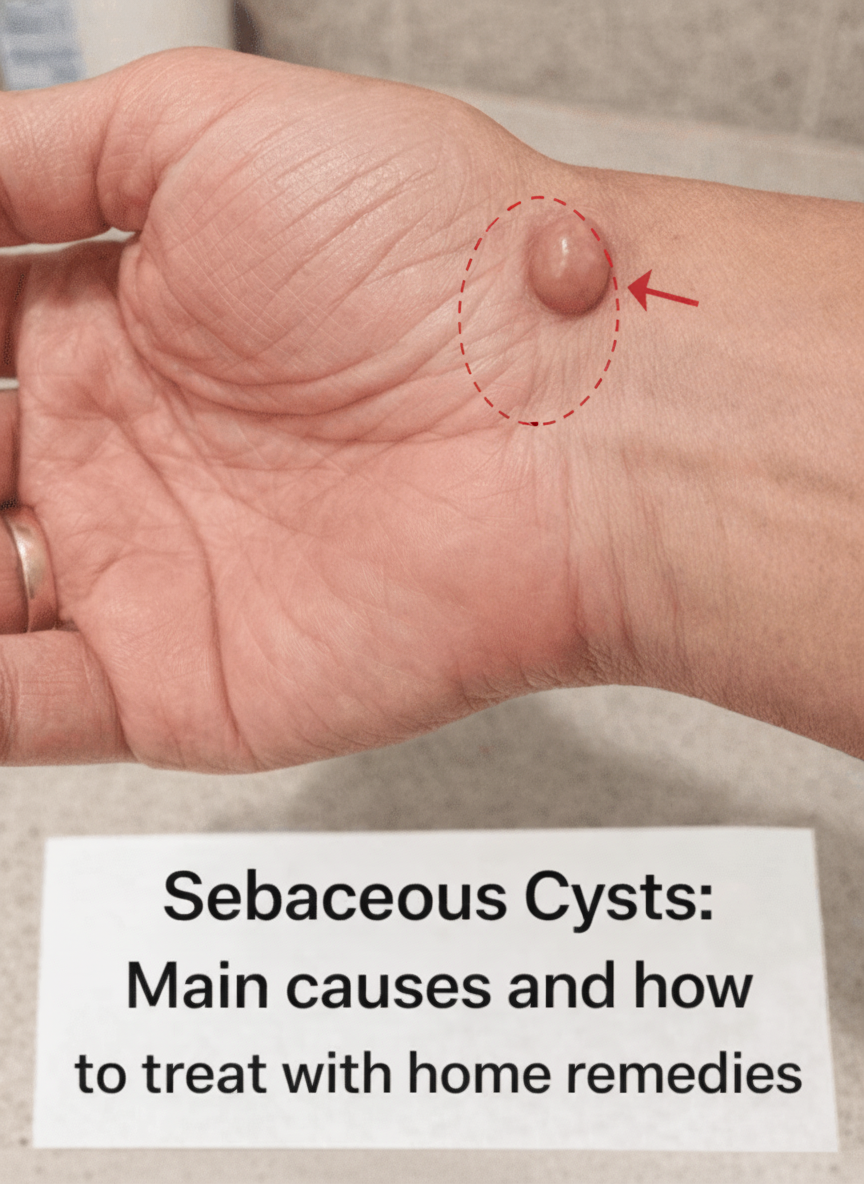
Sebaceous cysts, also called epidermoid cysts, are non-cancerous sacs that form under the skin. They typically present as smooth, round bumps, varying in size from a small pea to a golf ball. These cysts are filled with a cheesy, paste-like substance called keratin, which is made up of dead skin cells.
What sets them apart from other skin blemishes like pimples or boils? Sebaceous cysts develop deeper within the skin layers and usually don’t cause pain unless they become inflamed or infected. Medical experts, including those at the Cleveland Clinic, note that these cysts can affect anyone, though they are more prevalent in adults. Early recognition can prevent unnecessary worry, as many people initially mistake them for more serious conditions.
Common Causes of Sebaceous Cysts
Several factors can contribute to the formation of sebaceous cysts:
- Blocked Glands or Hair Follicles: This is a primary cause. Sebaceous glands produce oil (sebum) to keep skin and hair moisturized. If these glands or hair follicles become blocked, sebum and skin cells can accumulate, leading to cyst formation.
- Skin Trauma: Any injury to the skin can play a role. This includes minor scratches, surgical incisions, or even chronic sun damage that disrupts the normal shedding of skin cells. For example, scarring from past acne can trap skin cells beneath the surface.
- Ingrown Hairs: Particularly common in areas where hair removal occurs (e.g., legs, bikini line), ingrown hairs can cause a hair follicle to become inflamed or infected, leading to a cyst as the body’s protective response.
- Genetics: A family history of sebaceous cysts may increase your predisposition due to inherited skin characteristics.
- Lifestyle Factors: While more research is needed, poor hygiene or the use of harsh skincare products might exacerbate blockages, potentially contributing to cyst development.
How Sebaceous Cysts Develop
Sebaceous cysts don’t appear suddenly; they form gradually. The process begins with a small blockage, and over weeks or months, trapped skin cells and sebum accumulate within the sac. Most cysts remain stable, but some can enlarge over time. Environmental factors like sweat and dirt, especially in warm climates or during physical activity, can sometimes worsen the situation, which is why they are often found on the back or chest. Hormonal fluctuations, such as those during puberty or menopause, might indirectly influence oil production, potentially contributing to their formation.
When to Seek Medical Attention
While often benign, it’s important to monitor sebaceous cysts for changes. You should consult a healthcare professional if you notice any of the following:
- Rapid growth of the cyst.
- Redness or warmth around the cyst, indicating inflammation or infection.
- Increasing tenderness or pain.
- Discharge (pus) or an unpleasant odor.
- Changes in the cyst’s color or texture.
Regular self-checks can help you stay informed about your skin’s health.
Exploring Home Care Approaches
For minor, uninfected cysts, some individuals explore gentle home care methods to support skin comfort. These should not replace professional medical advice, especially if the cyst is inflamed or growing.
- Warm Compresses: Applying a clean, warm cloth to the affected area for 10-15 minutes, a few times a day, can help soothe the skin. The warmth may also encourage drainage if the cyst is close to the surface, though this is not guaranteed.
- Diluted Tea Tree Oil: Known for its antimicrobial properties, tea tree oil can be diluted with a carrier oil (like coconut oil) and applied sparingly. Always perform a patch test on a small skin area first to check for irritation.
- Apple Cider Vinegar: Some anecdotal reports suggest apple cider vinegar might help due to its acidic nature. However, it should be used cautiously and diluted to avoid skin irritation.
Remember, these home remedies are supportive measures. If a sebaceous cyst is bothering you, growing, or showing signs of infection, it is always best to consult a doctor for proper diagnosis and treatment options.