 By admin
 Understanding Cervical Cancer Risk: Intimate Habits Every Couple Should Be Aware Of
For many women, health concerns, particularly those that manifest silently like cervical cancer, are a significant worry. The crucial link to cervical cancer is often a persistent infection with specific types of human papillomavirus (HPV), a widespread virus primarily transmitted through intimate skin-to-skin contact. While the majority of HPV infections resolve naturally thanks to the body’s immune system, some strains can persist, potentially leading to cellular changes in the cervix over several years.
What’s less commonly understood is how certain dynamics within a couple’s intimate relationship – frequently shaped by a partner’s past or present behaviors – can heighten a woman’s susceptibility to HPV exposure and, consequently, her risk of cervical cancer. Leading health organizations such as the American Cancer Society and the CDC emphasize the significant role of sexual behaviors in this context. The encouraging news is that increased awareness and adopting informed practices can substantially mitigate these risks.
This article aims to shed light on common intimate habits that research suggests may contribute to elevated HPV exposure. We will also outline actionable steps couples can implement to prioritize their sexual health and explore comprehensive strategies for protection. Stay with us to discover valuable insights into prevention that extend beyond conventional understanding.
The Core Connection: HPV and Cervical Cancer Risk
It’s widely established that cervical cancer is predominantly caused by persistent infections with high-risk strains of human papillomavirus (HPV), notably types HPV-16 and HPV-18. Health experts confirm that nearly every sexually active individual will encounter HPV at some stage in their life; however, not everyone will develop health complications. This highly prevalent virus spreads through various forms of intimate contact, including vaginal, anal, and oral sex, as well as close skin-to-skin contact in the genital area.
Scientific studies consistently demonstrate that specific behaviors can elevate the probability of exposure to these high-risk HPV strains. Even within seemingly monogamous relationships, a partner’s sexual history—whether past or ongoing—can indirectly influence a woman’s exposure risk. For instance, research indicates that having a partner who has had multiple previous sexual partners significantly increases the likelihood of HPV transmission. This insight is not intended to assign blame but rather to foster a deeper understanding of HPV transmission dynamics within communities, empowering couples to adopt proactive, shared preventative measures.
Intimate Habits That Can Elevate HPV Exposure Risk
While no singular habit directly “causes” cervical cancer, certain behavioral patterns that facilitate HPV transmission can undoubtedly heighten a woman’s vulnerability. Based on scientific observations, here are three significant intimate habits that warrant attention:
1. A History of Multiple Sexual Partners (Past or Present)
An individual’s number of lifetime sexual partners directly correlates with an increased overall risk of HPV exposure for both individuals within a couple. Studies reveal that men with a history of multiple partners—whether prior to or during a relationship—are more likely to carry and transmit high-risk HPV types. For instance, analyses have shown elevated risks among women whose partners reported premarital and extramarital relationships. Essentially, a greater number of partners involved in one’s sexual history increases the probability of encountering diverse and persistent high-risk HPV strains.
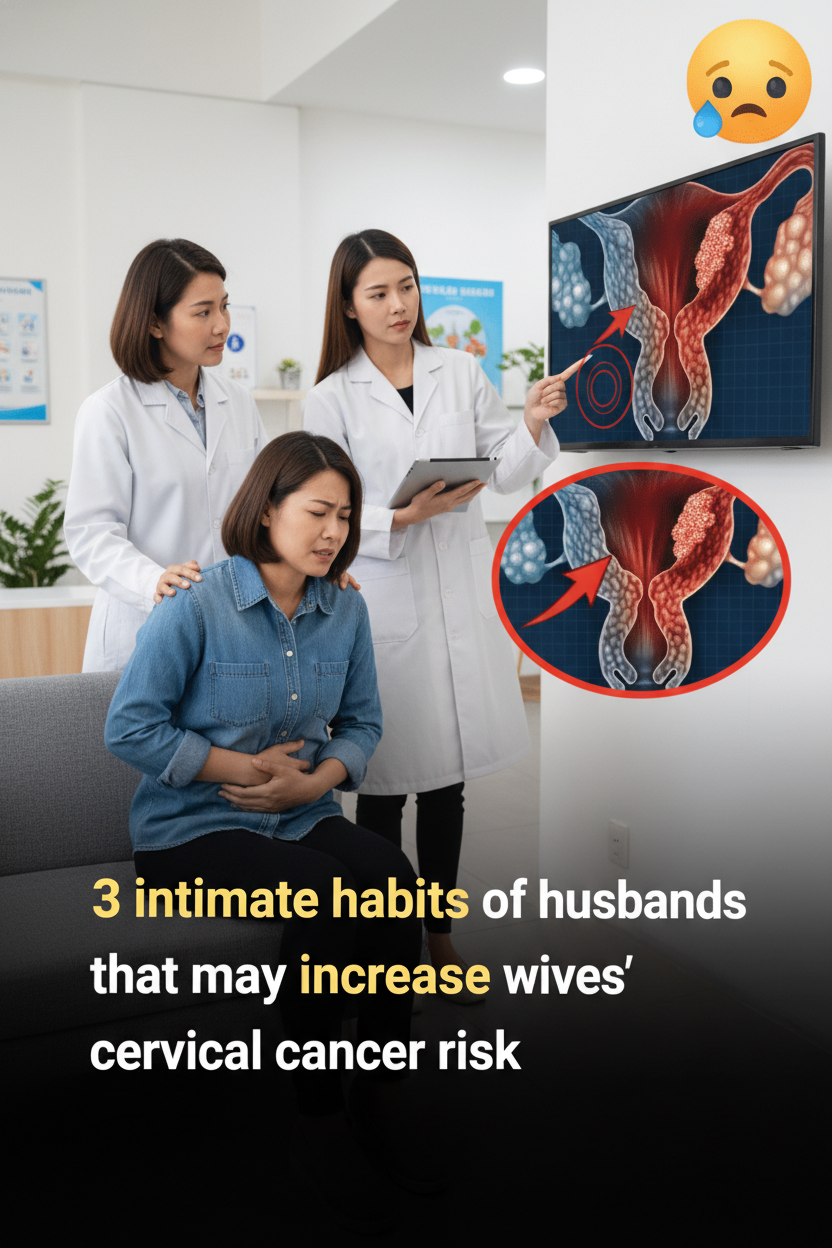
2. Inconsistent or Absent Use of Barrier Protection
Foregoing barrier methods like condoms during intimate encounters facilitates the direct skin-to-skin transmission of HPV. While condoms are highly effective in reducing the risk of many sexually transmitted infections, it’s crucial to understand they lessen, but do not entirely eliminate, HPV transmission risk since the virus can affect areas not covered by a condom. Research consistently demonstrates that couples who infrequently use barrier protection experience higher rates of HPV transmission, particularly in emerging or non-exclusive relationships.
3. Early Sexual Debut or Frequent Activity Without Open Communication
Initiating sexual activity at a younger age or engaging in frequent intimate encounters without candid discussions about sexual health can significantly amplify exposure risks. Empirical evidence connects an earlier sexual debut and a higher number of partners to an increased likelihood of HPV acquisition. Within any relationship, a lack of transparency regarding a partner’s complete sexual history, including previous infections or behaviors, can inadvertently elevate the shared risk for both individuals. However, the scope of risk factors extends beyond just these intimate habits; everyday physiological and lifestyle elements also play a crucial role in how the body manages HPV.
Beyond Intimate Habits: Other Factors Influencing Cervical Cancer Risk
While intimate behaviors are significant, several other factors can influence the persistence of HPV infections and the subsequent development of cervical cancer. Scientific research highlights the following key elements:
- Smoking: Tobacco consumption has been widely shown to compromise the body’s immune system, hindering its ability to effectively clear HPV infections.
- Multiple Full-Term Pregnancies: Some studies suggest a correlation between a higher number of full-term pregnancies (high parity) and an increased risk of cervical cancer.
- Long-Term Hormonal Contraceptive Use: Extended use of hormonal contraceptives may be associated with an increased risk of HPV persistence and progression, though more research is ongoing.
- Weakened Immune System: Individuals with compromised immune systems, such as those living with HIV or undergoing immunosuppressive treatments, are significantly more vulnerable to persistent HPV infections and cervical cancer.
Empowering Couples: Proactive Steps for Prevention
Understanding the interplay between intimate habits, lifestyle factors, and the risk of cervical cancer is paramount for every couple. While the information can seem daunting, it underscores the power of awareness and shared responsibility. Open and honest communication about sexual health, making informed choices about intimate practices, and regular health screenings (such as Pap tests and HPV tests) are critical steps.
Furthermore, one of the most effective preventative measures available today is the HPV vaccine. Recommended for adolescents and young adults, vaccination can prevent infection from the high-risk HPV types that cause most cervical cancers. By embracing education, prevention, and proactive healthcare, couples can significantly reduce a woman’s risk of cervical cancer and foster a foundation of lasting health and well-being together.