 By admin
 Understanding and Managing Burning, Tingling, or Stabbing Pain in Your Feet and Legs: Causes, Symptoms, and Relief
That persistent burning, unsettling tingling, or sudden, sharp stabbing sensation in your feet and legs can significantly disrupt daily life. Simple tasks like walking to the kitchen, standing for extended periods, or even finding restful sleep at night can transform into frustrating challenges. These uncomfortable, nerve-related feelings often emerge subtly, beginning as minor irritations before escalating into more constant and debilitating symptoms. Such discomfort can profoundly impact your mood, energy levels, and overall quality of life.
Many individuals report that this foot and leg pain intensifies during the evening hours or after a full day spent on their feet, leading to profound frustration and a desperate search for answers. The encouraging news is that gaining clarity on the potential underlying causes and adopting supportive lifestyle strategies can indeed make a substantial difference. Continue reading to explore crucial insights that medical professionals typically consider and practical habits that many find effective for alleviating nerve irritation.
Understanding What These Sensations Might Mean
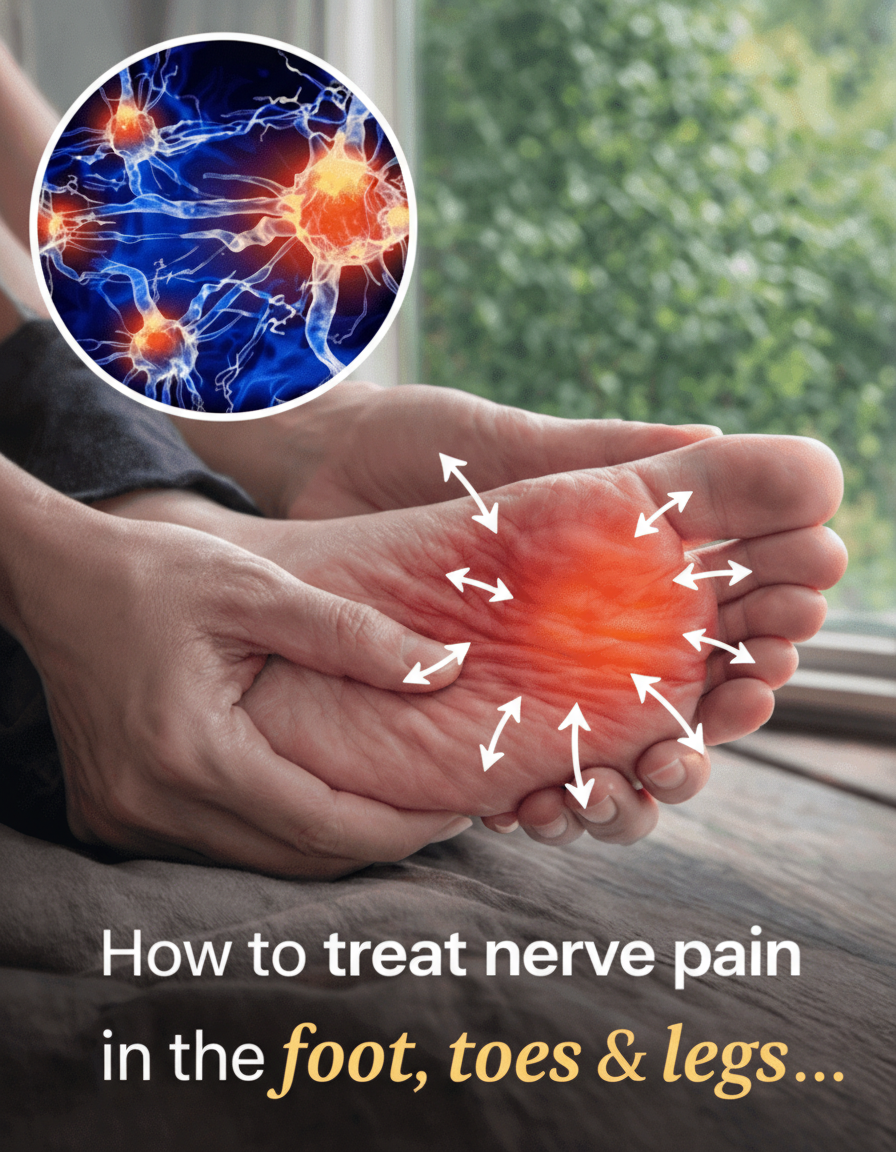
When your lower extremities experience burning, tingling, or stabbing sensations, it’s often a sign of peripheral neuropathy. This medical term refers to damage or irritation affecting the nerves located outside of your brain and spinal cord. These vital nerves are responsible for transmitting signals between your central nervous system and every other part of your body, including sending sensory information from your feet and legs.
When these peripheral nerves are compromised, their ability to transmit signals accurately can be disrupted. This can result in distorted messages, leading to a range of unusual feelings such as “pins and needles,” a sensation of intense heat without an external source, or sudden, sharp jabbing pains. Research from reputable institutions like the Mayo Clinic and the National Institute of Neurological Disorders and Stroke (NINDS) indicates that peripheral neuropathy is a widespread condition, particularly prevalent among older adults and individuals with specific health conditions. Crucially, identifying the specific underlying cause of this nerve damage is paramount, as it directly informs the most effective strategies for managing and alleviating your symptoms.
Common Causes of Nerve Pain and Initial Medical Assessments
When you consult a doctor about these symptoms, their initial approach typically involves a thorough discussion of your specific sensations and a detailed review of your medical history. They meticulously search for patterns that might indicate the most common underlying contributors to your nerve pain. Extensive research consistently identifies diabetes as a primary factor; chronically elevated blood sugar levels can progressively damage nerve fibers, especially in the feet and legs—a condition known as diabetic neuropathy.
Beyond diabetes, several other common possibilities can lead to peripheral neuropathy, including:
- Nutritional Deficiencies: Particularly inadequate levels of B vitamins, such as B12, which are crucial for optimal nerve health and function.
- Medications & Toxins: Certain prescription drugs or exposure to environmental toxins can sometimes induce nerve damage.
- Autoimmune Disorders & Infections: Conditions where the body’s immune system mistakenly attacks its own tissues, or specific infections, can trigger neuropathy.
- Chronic Alcohol Consumption: Prolonged and excessive alcohol intake is a known risk factor for nerve damage.
- Idiopathic Cases: In some instances, despite thorough investigation, no identifiable cause for the neuropathy is found.
To pinpoint the exact cause, healthcare providers often initiate a diagnostic process that includes:
- Physical Examination: Assessing your sensory perception, reflexes, and muscle strength provides key insights into nerve function.
- Blood Tests: These are vital for screening blood sugar levels, evaluating vitamin status, identifying markers of inflammation, or detecting other metabolic imbalances.
- Specialized Nerve Tests: For a more in-depth analysis, nerve conduction studies (NCS) or electromyography (EMG) may be recommended to measure how efficiently your nerves transmit electrical signals.
The overarching objective of these diagnostic steps is always to identify any treatable factors as early as possible, facilitating timely and effective intervention. However, understanding the causes is just one part of the picture…
How Nerve Discomfort Impacts Daily Living
The repercussions of nerve irritation extend far beyond mere physical discomfort. Many individuals recount how these persistent sensations severely disrupt their sleep patterns; waking up repeatedly with burning feet or experiencing restless legs can render a full night’s rest seemingly impossible. Everyday pleasures, such as enjoying a leisurely walk with loved ones or comfortably wearing a favorite pair of shoes, can become sources of significant stress and frustration.
Prolonged nerve pain often leads to a reduction in physical activity, creating a detrimental cycle where decreased movement can, paradoxically, further impair circulation and diminish essential support for nerve health. The critical takeaway is that proactive engagement with these symptoms and addressing them early can play a pivotal role in preventing their progression and substantially enhancing overall comfort and quality of life.
Practical Lifestyle Strategies to Alleviate Nerve Discomfort
While it’s true that no singular approach offers a universal cure, a wealth of research and extensive clinical experience underscore the effectiveness of several supportive strategies focused on fostering nerve-friendly living. These are actionable steps you can begin integrating into your routine today, though it’s always imperative to consult with your doctor first to ensure they align with your specific health profile and medical conditions. Here are some evidence-based suggestions that many individuals find genuinely beneficial for managing nerve pain:
- Embrace Gentle, Regular Movement: Engaging in consistent, low-impact physical activities such as walking, swimming, or seated exercises is crucial. These activities not only enhance blood circulation to your nerves but also assist in managing blood sugar levels, particularly if diabetes is a contributing factor. Strive for 20–30 minutes on most days, remembering to start gradually and adjust intensity if you are experiencing pain.
- Prioritize Balanced and Nutrient-Rich Nutrition: Adopting a diet abundant in whole, unprocessed foods is fundamental for supporting optimal nerve function. Ensure your meals include excellent sources of essential B vitamins (found in leafy green vegetables, eggs, fatty fish, and fortified cereals) and powerful antioxidants (plentiful in berries, nuts, and a wide array of vegetables). Emerging studies suggest that maintaining adequate vitamin levels can play a significant role in preserving overall nerve health.
- Maintain Optimal Blood Sugar Control (If Applicable): For individuals diagnosed with diabetes or prediabetes, consistent and diligent management of blood glucose levels is paramount. Achieving stable glucose control through a carefully planned diet, regular exercise, and adherence to prescribed medications can significantly mitigate further nerve damage and help alleviate existing diabetic neuropathy symptoms.