 By admin
 Uncovering the Best Fruits for Thyroid Health: Beyond the ‘Number One’ Myth
In the quest for optimal health, it’s common to see certain foods, especially fruits, hailed as miraculous cures or ultimate boosters for specific conditions. Thyroid health is no exception, with various online claims often spotlighting one particular fruit – be it pineapple for its anti-inflammatory bromelain, blueberries for their rich antioxidants, or apples for their detoxifying pectin – as the definitive solution.
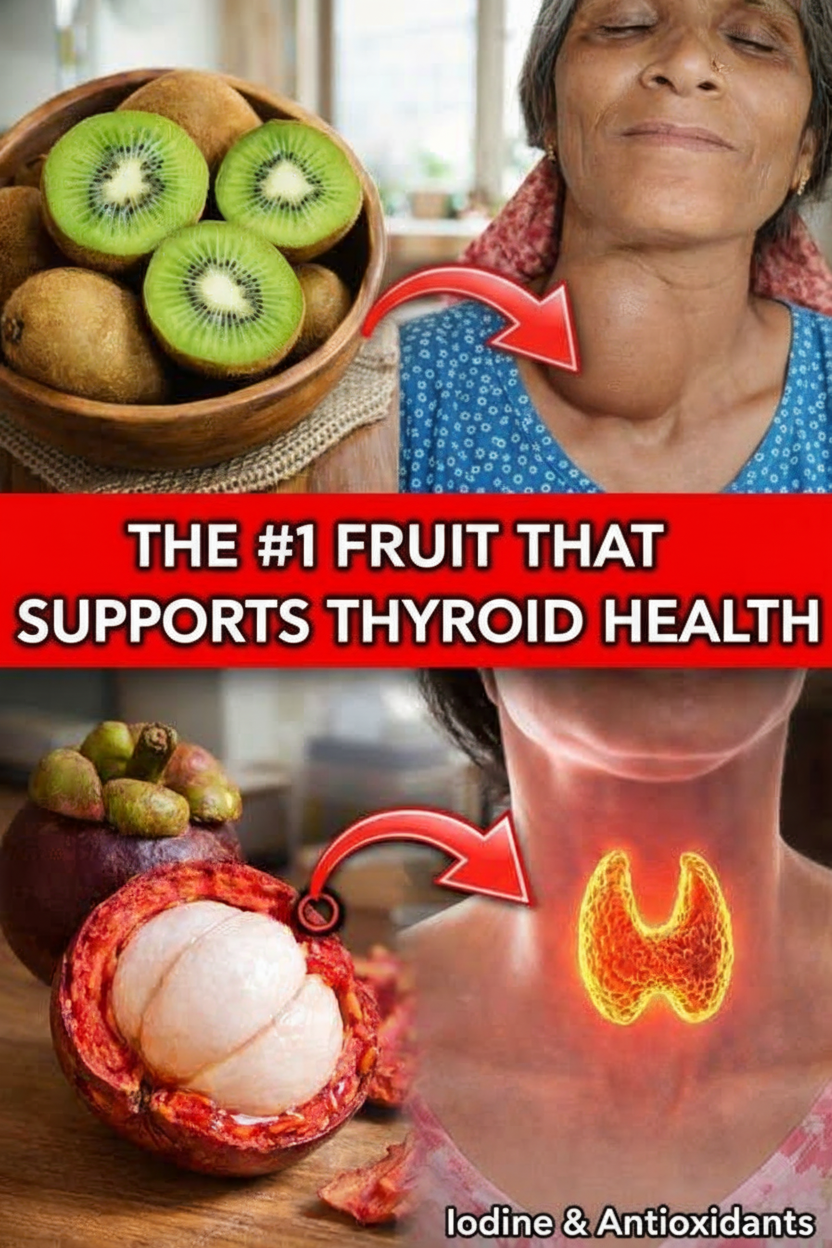
However, the truth is more nuanced. While fruits are undeniably beneficial for overall well-being, no single fruit has been scientifically proven to dramatically improve thyroid function on its own. A healthy thyroid system relies on a complex interplay of essential nutrients like iodine, selenium, and zinc, alongside a well-rounded and balanced diet. Fruits contribute significantly by providing vital vitamins, minerals, and antioxidants, which can gently support hormone balance, reduce oxidative stress, and combat inflammation – all factors that indirectly benefit thyroid health.
Based on scientific reviews and expert insights (such as those published in Nutrients and by Paloma Health), certain fruits do stand out for their potential contributions, primarily due to their high antioxidant content. Berries, particularly blueberries, frequently emerge with the strongest links to thyroid support because of their potent ability to counteract oxidative stress, a common issue in various thyroid disorders. Pineapple and apples also hold traditional popularity for their perceived benefits.
Top Fruits for Optimal Thyroid Support
While no fruit is a standalone cure, incorporating a variety of these nutrient-rich options can be a smart strategy for a thyroid-friendly diet:
Blueberries: The Antioxidant Powerhouse
- Key Support: Rich in anthocyanins, powerful antioxidants that help reduce inflammation and protect cells from damage caused by oxidative stress. They also have a low glycemic index, making them a stable energy source.
- Evidence: Ranked highly for their exceptional antioxidant capacity. Observational studies suggest a potential link between higher berry consumption and a lower risk of certain chronic conditions, including those that can impact thyroid health.
- How to Enjoy: Aim for about 1 cup daily. Enjoy them fresh, frozen, in smoothies, mixed into oatmeal, or as a vibrant topping for yogurt.
Pineapple: A Tropical Anti-Inflammatory Boost
- Key Support: Contains bromelain, an enzyme known for its mild anti-inflammatory properties and digestive aid. Reduced inflammation can indirectly benefit overall bodily functions, including the thyroid.
- Evidence: Primarily supported by traditional use and small studies focusing on its digestive and anti-inflammatory effects.
- How to Enjoy: Opt for fresh pineapple slices to maximize bromelain benefits. It’s a refreshing snack or a great addition to fruit salads.
Apples: Fiber for Gut Health and Detoxification
- Key Support: High in pectin, a soluble fiber that supports gut health by promoting beneficial bacteria and aiding in the elimination of toxins. A healthy gut is increasingly recognized for its connection to immune and endocrine system function, including the thyroid.
- Evidence: Anecdotal evidence and traditional health practices often highlight apples for their detoxifying properties. Scientific research confirms their role in digestive health.
- How to Enjoy: Eat them whole with the skin on to get the maximum fiber and nutrient content. They make a convenient and healthy snack.
Citrus Fruits (Oranges, Lemons, Grapefruit): Vitamin C for Immunity
- Key Support: Excellent sources of Vitamin C, a crucial antioxidant that supports immune system function. A robust immune system is vital, especially for those with autoimmune thyroid conditions.
- Evidence: Moderate scientific evidence supports Vitamin C’s role in immune health and antioxidant defense.
- How to Enjoy: Squeeze fresh lemon into your water, enjoy an orange as a snack, or add citrus segments to salads.
Bananas: Potassium and Energy
- Key Support: A good source of potassium, which is important for electrolyte balance and nerve function, and provides quick, sustained energy. While not directly thyroid-specific, overall nutritional balance is key.
- Evidence: Well-established nutritional profile.
- How to Enjoy: A perfect grab-and-go snack, or blended into smoothies for a creamy texture and energy boost.
Incorporating Fruits into Your Thyroid-Friendly Diet
To truly harness the wellness benefits of fruits for thyroid support and overall health, consider these practical tips:
- Daily Intake: Aim for 2-3 servings of various fruits each day. This ensures a broad spectrum of nutrients.
- Morning Boost: Start your day with a refreshing drink. Blend blueberries and pineapple with a squeeze of lemon for an antioxidant-rich, anti-inflammatory kick.
- Embrace Variety: Don’t stick to just one fruit. Rotate your fruit choices to benefit from different nutrient profiles.
- Goitrogens in Fruits: While some fruits contain goitrogens (compounds that can interfere with thyroid function), the amount found in common fruits is generally negligible and poses no risk for most people, especially when consumed as part of a varied diet. Cooking can also reduce their activity.
The Holistic Approach: Variety and Professional Guidance
In conclusion, while blueberries might lead the pack for their strong antioxidant support, it’s crucial to understand that no single fruit can dramatically “improve” or cure thyroid conditions. The most effective strategy for thyroid health involves a balanced, nutrient-dense diet rich in diverse fruits, vegetables, lean proteins, and healthy fats.
Always remember that dietary changes are complementary to, not a replacement for, professional medical care. If you have concerns about your thyroid health or are experiencing symptoms, it is essential to consult with a doctor for proper diagnosis, testing, and treatment. An endocrinologist can provide personalized advice and manage any necessary medications.
Disclaimer: This article is for informational purposes only and does not constitute medical advice. No fruit or dietary change can cure a thyroid condition. Always consult with a qualified healthcare professional, such as an endocrinologist, for any health concerns or before making changes to your diet or treatment plan. Individual results may vary.