 By admin
 Do you ever hesitate to flash a full smile, perhaps dimming your grin in photos or during conversations, because you’re conscious of yellowing teeth? Many adults quietly grapple with this common concern, especially after years of enjoying coffee, tea, or even smoking. The frustration of persistent stains that seem impervious to regular brushing is a shared experience. What if we told you that some everyday items already in your kitchen could hold a secret to supporting a naturally brighter smile, provided they’re used correctly and safely? The popular “carrot and lemon trick” might be one you’ve heard of, but its effectiveness and safety aren’t always what they seem. Before you embark on any DIY whitening journey, it’s crucial to understand the science behind teeth discoloration and how common mistakes can inadvertently harm your dental health.
Why Teeth Lose Their Natural Luster Over Time
It’s a common misconception that yellowing teeth are solely a sign of poor oral hygiene. While dental care plays a vital role, the reality behind tooth discoloration is far more intricate. Our teeth undergo natural changes as we age, and even individuals with impeccable brushing habits may observe a dulling of their enamel or the appearance of stubborn stains. Understanding these underlying causes is the first step toward achieving a brighter smile:
- Dietary Stains: Frequent consumption of dark-colored beverages like coffee, tea, and red wine, as well as certain foods, can leave extrinsic stains on the tooth surface.
- Tobacco Use: Smoking or using other tobacco products is a significant contributor to yellow or brown tooth discoloration.
- Age-Related Enamel Thinning: Over years, the protective outer layer of your teeth, known as enamel, naturally thins. This allows the yellowish dentin beneath to become more prominent.
- Plaque and Tartar Accumulation: Inadequate brushing and flossing can lead to plaque buildup, which hardens into tartar, providing a rough surface where stains can easily adhere.
- Medications and Health Conditions: Certain antibiotics (especially during childhood), antihistamines, and even specific medical treatments can impact tooth color.
- Acid Erosion: Regularly consuming highly acidic foods and drinks can erode enamel, making teeth more susceptible to staining and revealing the dentin.
Beyond surface stains, scientific dental research highlights a crucial factor: the gradual wear of tooth enamel. As this robust outer layer diminishes, the softer, naturally yellow dentin situated underneath becomes increasingly visible. This fundamental understanding reveals that effective tooth whitening isn’t merely about scrubbing away stains; it’s equally about safeguarding and strengthening your enamel. This is precisely where thoughtful, natural approaches, when applied with caution, can offer significant support for your long-term oral health.
The Carrot and Lemon Trick: Separating Fact from Fiction
Online, you might encounter viral videos enthusiastically promoting carrots and lemons as instant teeth whitening solutions. While these natural ingredients do possess properties that can contribute to oral cleanliness, it’s crucial to approach such claims with a balanced perspective. Here’s a truthful breakdown:
- Carrots: Rich in natural fiber, carrots offer a mild abrasive quality. When chewed thoroughly or gently applied, their fibrous texture can help physically dislodge surface debris and plaque from your teeth, contributing to a cleaner feel.
- Lemons: These citrus fruits are known for their high concentration of citric acid. Citric acid has the potential to help break down certain superficial stains on tooth enamel.
However, the critical detail often overlooked in sensationalized content is the significant risk associated with improper use. Dentists frequently issue strong warnings: excessive or prolonged exposure to the high acidity of lemon juice can severely erode tooth enamel, leading to irreversible damage, increased sensitivity, and even *more* pronounced yellowing over time. Therefore, any DIY whitening method involving acidic ingredients must be used with extreme caution and very sparingly.
When applied with diligence and infrequency, this combination *might* offer a supportive boost to a cleaner, brighter-looking smile. For those interested in trying this method safely, here’s a recommended approach:
A Cautious Kitchen Whitening Routine:
- Prepare the Carrot: Thoroughly wash and peel one fresh, medium-sized carrot.
- Grate the Carrot: Grate a small quantity of the carrot into a clean bowl.
- Add Lemon Juice Sparingly: Introduce *only a few drops* of freshly squeezed lemon juice to the grated carrot. Mix well.
- Gentle Application: Using your fingertip or a soft cloth, gently rub this mixture onto your teeth for approximately one minute. Avoid aggressive scrubbing.
- Thorough Rinse and Brush: Immediately after application, rinse your mouth thoroughly with water to remove all traces of the mixture. Follow up by brushing your teeth with your regular fluoride toothpaste.
Crucial Safety Note: This routine is NOT suitable for daily use. Due to the acidic nature of lemon, dental professionals typically advise limiting such applications to a maximum of once or twice per week to prevent enamel damage. Always prioritize your enamel health above quick-fix solutions.
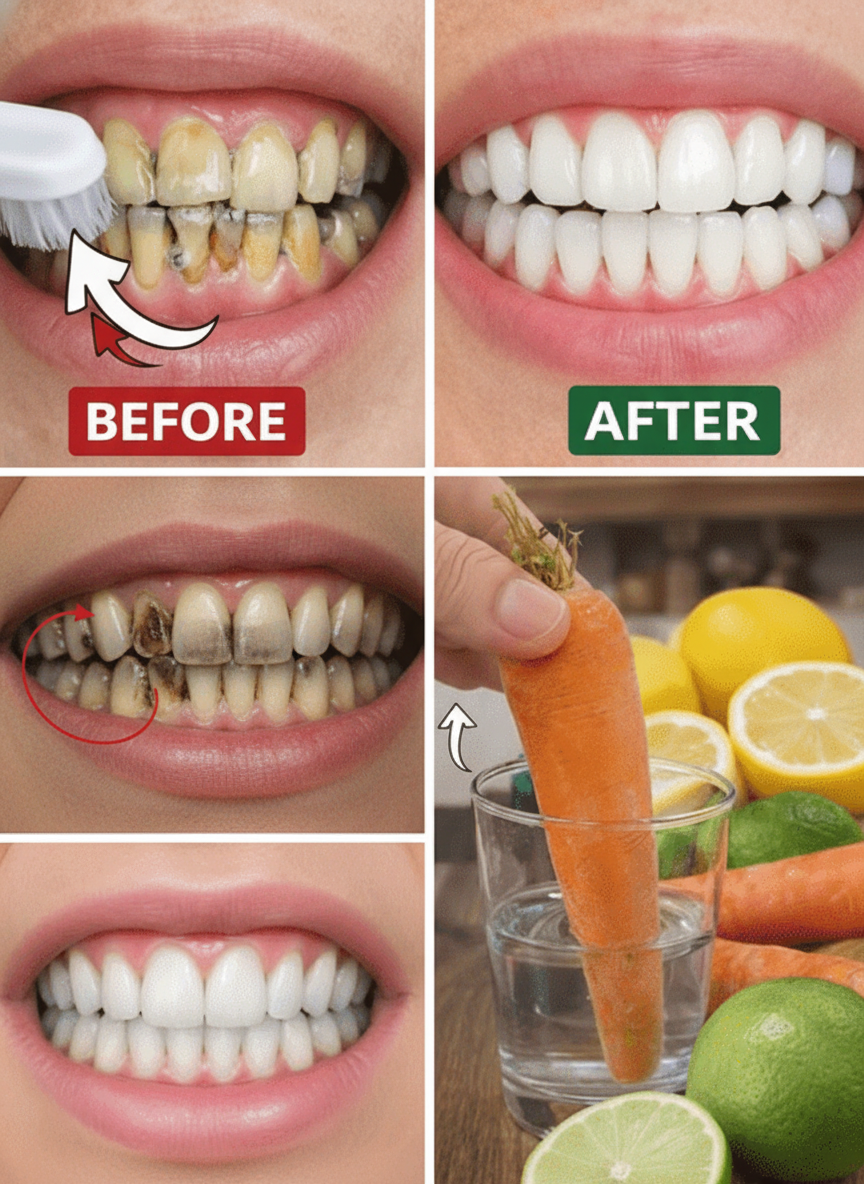
While the carrot and lemon method offers a cautious, occasional approach, there’s an even more impactful habit for dental health that many individuals often overlook, and it can work wonders for maintaining a naturally brighter smile.
Everyday Foods That Naturally Boost Oral Hygiene and Tooth Brightness
Beyond specific tricks, integrating certain everyday foods into your diet can act as natural allies for your oral health. These “dental-friendly” foods work by stimulating saliva production and providing a gentle scrubbing action, both crucial for keeping teeth clean and supporting a brighter appearance. Consider incorporating more of these into your daily routine:
- Apples: Their crisp texture and high water content help clean teeth and stimulate saliva flow.
- Carrots: Similar to apples, carrots are crunchy and fibrous, acting as a natural abrasive to scrub away food particles.
- Celery: Chewing celery requires effort, which helps produce saliva and its stringy fibers can act like a natural floss.
- Cucumbers: High in water, cucumbers help rinse away food debris and neutralize acids.
- Leafy Greens: Spinach, kale, and other leafy greens are rich in minerals that can support enamel health.
The role of saliva in maintaining optimal oral health is often underestimated. Scientific studies underscore its remarkable ability to neutralize harmful acids in the mouth, thereby protecting precious tooth enamel from erosion and decay. Furthermore, the act of chewing crunchy vegetables provides a gentle, natural scrubbing action across tooth surfaces, helping to dislodge food particles and surface stains. It’s vital to remember, however, that while these foods are powerful contributors to dental hygiene, they are not substitutes for fundamental practices like daily brushing, flossing, or regular professional dental check-ups. Nevertheless, consistently including them in your diet can yield a noticeable and positive difference in your overall oral health and the natural radiance of your smile over time.
Comparing Natural Approaches with Professional Teeth Whitening Solutions
When considering options to enhance your smile, it’s helpful to understand the spectrum of choices available, from at-home natural remedies to professional dental treatments. This quick comparison outlines the key aspects of each, enabling you to make an informed decision based on your personal needs, desired speed, and budget:
| Method | Cost | Speed of Results | Safety Profile |
|---|---|---|---|
| Natural Food Methods (e.g., crunchy vegetables) | Minimal to Very Low | Gradual, supportive | Generally very safe when incorporated into a balanced diet and used gently. |
| Whitening Toothpastes | Low | Moderate improvement over time | Safe for daily use as directed, typically by removing surface stains. |
| Over-the-Counter Whitening Strips | Moderate | Faster, noticeable results | Generally safe if package instructions are meticulously followed; potential for temporary sensitivity. |
| Professional Dental Whitening (e.g., in-office treatments) | Higher | Fastest, most dramatic results | Performed under strict dental supervision, ensuring maximum safety and effectiveness. |
Each of these options offers distinct advantages, catering to varying preferences and financial considerations. Many individuals successfully combine several approaches, such as maintaining a dental-friendly diet while occasionally using whitening toothpaste or opting for professional treatment for significant results. However, one fundamental truth often gets overlooked: your consistent daily habits wield far greater influence over the long-term brightness and health of your smile than any single whitening method alone.
Everyday Habits That Stealthily Darken Your Smile
Let’s take a straightforward look at reality: countless individuals actively seek out quick-fix whitening solutions, yet often continue engaging in daily habits that are the primary culprits behind tooth discoloration. To truly achieve and maintain a radiant smile, it’s essential to address these underlying behaviors. Some of the most significant contributors to a duller smile include:
- Constant Coffee and Tea Consumption: Sipping dark beverages like coffee and tea throughout the day exposes your enamel to staining agents for extended periods.
- Tobacco Use: Smoking cigarettes or using other tobacco products is one of the fastest ways to cause severe and persistent tooth staining.
- Neglecting Flossing: