 By admin
 Unconventional Pest Control? Exploring Vicks VapoRub as a Home Deterrent
There’s nothing quite as unsettling as discovering a parade of ants across your kitchen counter, the persistent buzz of mosquitoes at night, or an unwelcome spider lurking in a corner. These common household pests can quickly transform a comfortable living space into a source of constant irritation, especially when they seem to materialize out of thin air and prove difficult to dislodge. The strong odors and sticky trails they leave behind diminish daily comfort, and often, reaching for harsh chemical sprays feels like an excessive response for minor intrusions.
In the vast realm of online home remedies, one surprising suggestion frequently emerges: using a familiar blue jar from the medicine cabinet. But can this everyday product truly help keep undesirable visitors at bay? In this article, we’ll delve into the popular notion of employing Vicks VapoRub as a potential pest deterrent. We’ll examine its widespread appeal, illustrate practical application methods favored by some homeowners, and importantly, maintain realistic expectations regarding its effectiveness. The simplicity of its ingredients makes this approach particularly intriguing. Let’s explore what people are reporting!
Why Vicks VapoRub Captures Interest as a Pest Deterrent
For generations, Vicks VapoRub has been a household staple, primarily recognized for its role in alleviating minor cold symptoms through its aromatic vapors. The ointment features a distinctive blend of menthol, camphor, and eucalyptus oil, which together create a potent, medicinal fragrance. These specific components produce an intense scent that various insects and small animals appear to avoid. Menthol contributes a cooling, sharp aroma; camphor adds a deep, woody undertone; and eucalyptus oil provides a fresh, herbal note. Collectively, they form an overwhelming scent profile that can be disruptive to sensitive olfactory senses.
Many proponents of home remedies highlight these natural oils as the key to any potential repellent effect. Anecdotal accounts suggest that the strong aroma interferes with how pests navigate their environment or detect food sources, rendering certain areas less appealing to them. However, it’s crucial to note a significant point: while some ingredients, such as eucalyptus oil, have demonstrated repellent qualities against specific insects in laboratory studies, their concentrations within Vicks VapoRub are relatively low compared to specialized pest control products. This means that outcomes can vary considerably depending on the type of pest, environmental conditions, and the application technique used. Nevertheless, its affordability, easy accessibility, and generally non-toxic composition make it an attractive initial option for those seeking a simple solution.
Common Applications of Vicks VapoRub for Household Pest Control
Homeowners who experiment with this unconventional method typically apply small quantities in targeted locations rather than spreading it indiscriminately. The core idea is to establish scent barriers in areas where pests are known to enter or travel. Here are some popular ways people attempt to use it:
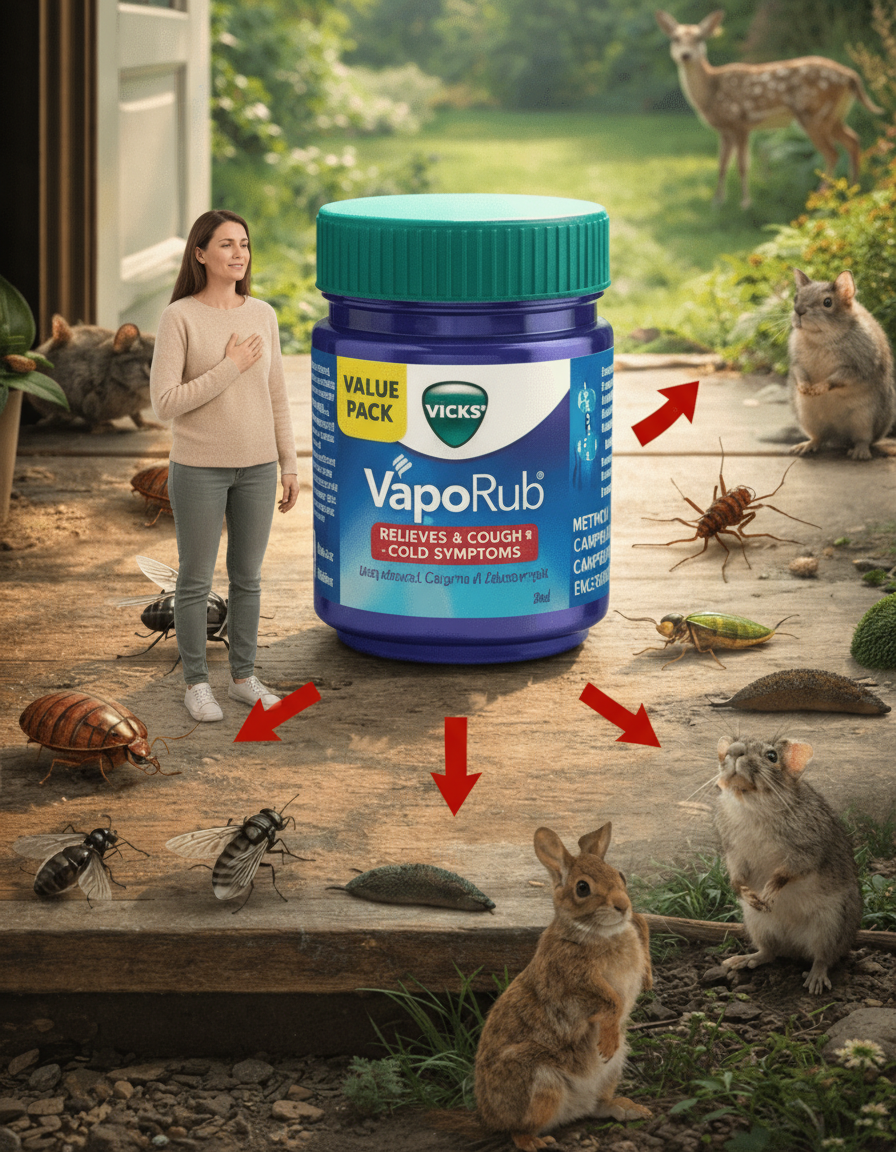
- For Ants: Apply a thin layer along windowsills, door frames, or baseboards where ant trails are observed. The powerful menthol scent may disrupt their pheromone pathways.
- For Mosquitoes: Dab a small amount on exposed skin (such as ankles or arms) before venturing outdoors into buggy environments, or place open containers near patio areas (though skin application should always adhere to product guidelines).
- For Spiders and Cockroaches: Place tiny dots in corners, beneath sinks, or along cracks where these pests tend to hide. The strong aroma might encourage them to seek alternative shelter.
- For Rodents like Mice: Smear it near suspected entry points, inside cabinets, or along walls where droppings indicate activity. Some users claim the smell deters curious nibblers.
- For Flies or Gnats: Apply a small amount to cotton balls and strategically place them near problem areas, refreshing them as the scent dissipates.
These applications rely on the product’s volatile compounds gradually releasing their potent scent over time. A modest amount is often sufficient; overapplying can lead to a greasy mess or an excessively strong odor indoors.
Step-by-Step Guide: Safely Trying This Home Remedy
If you’re curious to test this method for yourself, here’s a straightforward approach commonly adopted by many:
- Identify Target Areas: Pinpoint entry points, established pest trails, or known hiding spots (e.g., cracks, corners, windowsills).
- Prepare Small Amounts: Use a cotton swab or your finger to scoop out a pea-sized dab of Vicks VapoRub.
- Apply Thinly: Gently rub or dot the ointment directly onto surfaces. Avoid creating thick globs that could potentially stain or attract dust.
- Reapply as Needed: Check the treated spots every few days; the scent naturally fades over time, so refresh the application when it weakens.
- Combine with Prevention: For optimal overall results and enhanced effectiveness, integrate this method with standard pest prevention practices, such as sealing cracks, storing food in airtight containers, and eliminating sources of standing water.
It’s important to remember that this is not typically a permanent or comprehensive solution. Consistency in application and combining it with other preventative measures often lead to the most positive homeowner experiences. However, the full picture regarding its efficacy extends beyond anecdotal reports…
What Does the Scientific Evidence Actually Suggest?
While numerous online testimonials enthusiastically endorse this home hack, robust scientific backing remains largely limited. Some laboratory tests on specific ingredients, like eucalyptus oil, have indeed shown repellent properties against certain insects. However, the concentration of these active compounds in Vicks VapoRub is considerably lower than in commercially formulated, dedicated insect repellents. This disparity means that while it might offer some mild, temporary deterrence for certain pests in specific situations, it is generally not considered a reliable or long-term solution for significant infestations. For serious pest problems, consulting professional pest control services or utilizing scientifically proven products is always recommended.