 By admin
 Living with dry, cracked heels can turn simple daily routines into a source of discomfort. Whether it’s the sting of walking barefoot or the snagging sensation when putting on socks, these painful fissures can significantly impact your quality of life. Over time, the skin on your heels can become thick and brittle, leading to those frustrating splits that not only cause discomfort but also often make individuals feel self-conscious about their feet. This common issue affects countless people globally, particularly in arid environments or after prolonged periods of standing.
The encouraging news is that achieving noticeably softer, smoother, and more comfortable heels is entirely within reach. By adopting a consistent regimen of gentle care, utilizing accessible ingredients and practical habits, you can make a significant improvement. The secret to truly effective heel care often lies in a synergistic approach: combining targeted soaking, careful exfoliation, and intensive moisturizing. These steps can be seamlessly integrated into your daily life, and as you read on, you’ll discover a powerful, yet often overlooked, habit that could revolutionize your foot health.
What Causes Dry, Cracked Heels?
To effectively address and prevent cracked heels, it’s crucial to understand their underlying causes. Unlike other parts of your body, the skin on your feet has fewer sebaceous (oil) glands, making it naturally prone to dryness and highly dependent on external hydration. When this essential moisture is lost or not adequately replenished, the skin loses its elasticity, becomes parched, and begins to thicken, forming protective calluses.
These hardened areas, when subjected to constant pressure from standing, walking, or wearing unsupportive footwear, eventually lose their flexibility and can split, leading to painful cracks and fissures. Several common factors exacerbate this condition:
- Environmental Conditions: Cold, dry climates can strip moisture from the skin.
- Footwear Choices: Regularly walking barefoot or wearing open-back shoes like sandals or flip-flops can increase pressure and exposure.
- Bathing Habits: Prolonged hot showers or baths can deplete the skin’s natural protective oils.
- Internal Factors: Insufficient water intake (dehydration) or certain medical conditions, such as diabetes, can compromise overall skin hydration.
Dermatological research consistently emphasizes that proactive measures against dryness are vital for preventing the development of deeper, more severe fissures. Experts widely advocate for consistent moisturizing and diligent protection of the skin’s natural barrier as primary strategies for maintaining healthy feet.
Everyday Habits for Healthier, Softer Heels
Cultivating these fundamental habits can significantly contribute to improved heel health. Though seemingly simple, their impact is profound when adopted consistently.
- Prioritize Internal Hydration: Ensure you drink an adequate amount of water throughout the day. Optimal internal hydration is crucial for supporting skin elasticity and moisture retention from within, as various studies indicate.
- Select Supportive Footwear: Whenever possible, choose shoes that offer a closed back and ample cushioning. This helps distribute pressure evenly across your feet and reduces strain on your heels. If you’re prone to cracked heels, minimize prolonged use of flip-flops or open-backed sandals.
- Optimize Your Shower Routine: Restrict your bath or shower time to 10-15 minutes, using lukewarm rather than very hot water. Excessive heat and extended exposure can strip your skin of its natural, protective oils. After washing, gently pat your feet dry with a towel instead of vigorous rubbing.
These foundational steps lay the groundwork for better foot care, but they are just the starting point. Next, we’ll explore specific at-home routines designed to deliver visibly smoother and more comfortable heels.
Effective At-Home Routines for Heel Care
These targeted yet gentle methods are designed to effectively soften hardened skin, safely remove dry buildup, and deeply lock in essential moisture. Before trying any new product or technique, it’s always wise to perform a patch test on a small area to ensure no adverse reactions.
1. Warm Foot Soak for Optimal Softening
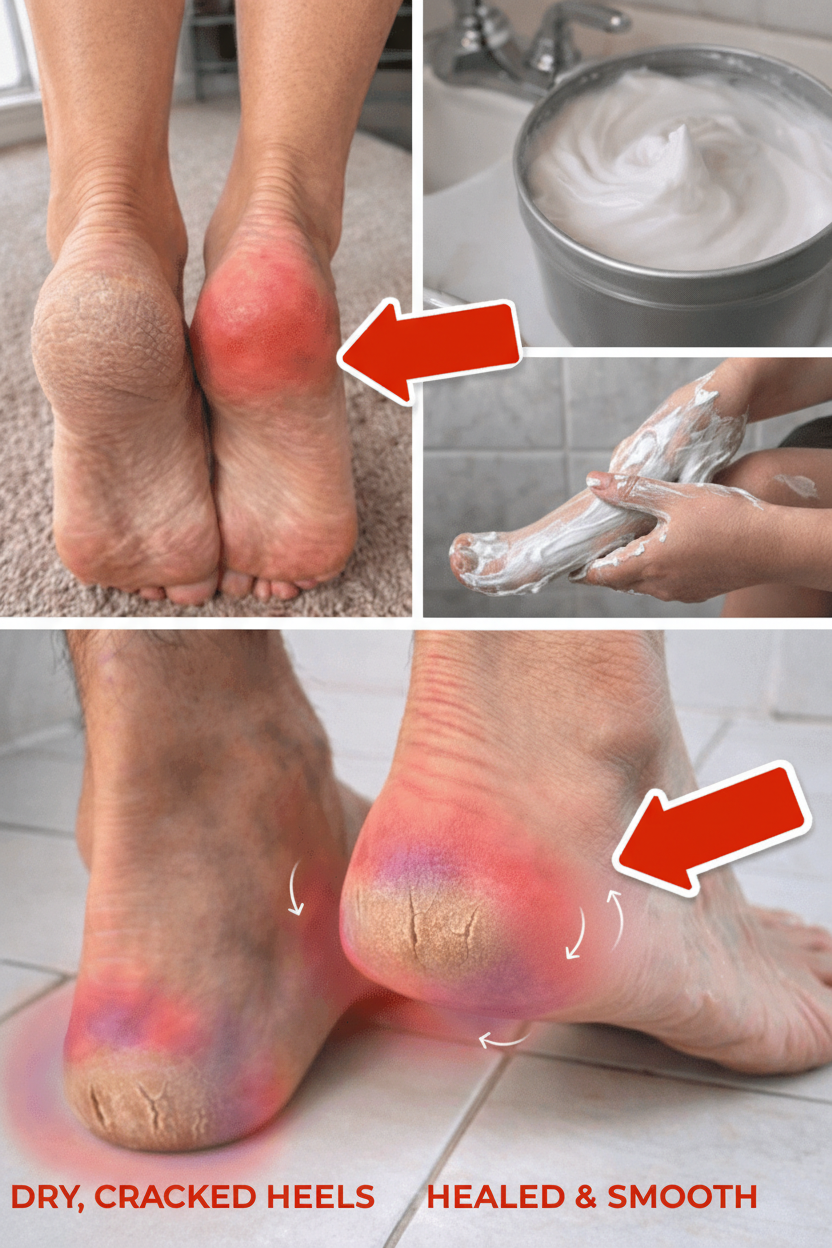
A warm foot soak is an excellent preparatory step, making your heels more receptive to subsequent treatments. It’s a simple, relaxing way to begin your cracked heel treatment.
Step-by-step guide:
- Fill a basin with comfortably warm (not scalding hot) water.
- Immerse your feet for 10-20 minutes to thoroughly soften the toughened skin.
- For added benefits, consider adding a handful of Epsom salts for their soothing properties or a small amount of mild liquid soap.
- Gently pat your feet dry afterward.
As supported by dermatological guidelines, this initial softening phase significantly enhances the safety and efficacy of any subsequent exfoliation.
2. Gentle Exfoliation to Remove Dry Skin Buildup
Once your skin is softened, it’s the ideal time to carefully remove the accumulated layers of dry, dead skin. This step is crucial for revealing smoother skin underneath.
Using a pumice stone or soft foot file:
- After soaking, gently rub the tool over your heels in circular motions. Avoid excessive pressure or vigorous scrubbing, as this can cause irritation or damage.
- Concentrate on the callused areas of your heels and the sides of your feet, carefully avoiding any open cracks or sensitive spots.
- Rinse your feet thoroughly and pat them dry.
Many dermatologists recommend gentle exfoliation to promote a smoother skin texture without over-stripping. Here’s a brief overview of popular exfoliation tools:
- Pumice stone: A natural, cost-effective option, particularly effective on well-soaked dry skin.
- Foot file: Often preferred for its gentler action, making it suitable for regular maintenance.
- Sugar or salt scrub: A DIY option (mix with an oil like coconut or olive oil) for mild abrasion; use sparingly and gently.
3. Intensive Moisturizing to Seal in Hydration
This is arguably the most critical stage in your heel care routine. Applying a rich moisturizer immediately after soaking or bathing, while your skin is still slightly damp, helps to lock in maximum hydration. Look for formulations containing ingredients known for their hydrating and emollient properties:
- Urea: A powerful humectant that attracts and retains moisture, while also helping to soften thickened skin.
- Petroleum jelly: An excellent occlusive agent that creates a protective barrier, preventing moisture loss.
- Natural oils (e.g., coconut oil, olive oil): Provide deep nourishment and emollient benefits, leaving skin supple.
A highly effective nighttime routine:
- Before bed, apply a generous layer of a thick cream, balm, or ointment specifically designed for dry feet to your heels.
- Immediately slip on a pair of clean cotton socks. This “occlusive therapy” helps to trap the moisture, enhancing absorption and preventing evaporation overnight.
- For optimal results, make this a consistent daily practice.
Research consistently supports that occlusive methods, such as wearing socks over a thick moisturizer, significantly boost skin hydration by minimizing transepidermal water loss. But there’s one more simple yet incredibly impactful step that can truly elevate your foot health journey!
Bonus: Simple DIY Moisturizing Mask
For an extra boost of hydration and healing, consider incorporating a weekly DIY moisturizing mask into your routine:
- Mash one ripe banana with two tablespoons of honey and a few drops of lemon juice.
- Apply this mixture generously to your heels.
- Cover your feet with plastic wrap or old socks for 15-20 minutes.
- Rinse off with lukewarm water.
Bananas are rich in vitamins, honey is a natural humectant, and lemon has mild exfoliating properties, making this a powerful combination for soothing dry feet and promoting softer skin.