 By admin
 Traditional Wisdom: Harnessing Papaya Seeds and Green Papaya for External Soothing
Many individuals experience occasional stiffness or general discomfort in their joints and muscles, whether after a demanding day or as a natural part of aging. This persistent sensation can make everyday movements challenging, impacting overall well-being and daily routines. Across diverse traditional cultures worldwide, people have long explored natural solutions from their immediate environment to alleviate these feelings. One such age-old approach involves applying specific parts of the papaya fruit—its seeds and unripe (green) papaya—directly to the skin in areas experiencing tightness or unease. Could a familiar tropical fruit you already enjoy hold a surprising place in your self-care regimen?
Let’s delve deeper into these folk-inspired methods, explore anecdotal reports, and examine some of the scientific understanding behind papaya’s various compounds. Our aim is to provide insightful information, not to make definitive promises.
Why Papaya Parts Have Captured Attention in Home Remedies
Papaya, scientifically known as Carica papaya, is a remarkable tropical fruit celebrated for its rich profile of enzymes, antioxidants, and other bioactive compounds. Both its distinct black, peppery-tasting seeds and its firm, green, unripe fruit are particularly noted in traditional applications. They contain key elements such as papain—a potent enzyme renowned for its protein-digesting capabilities—alongside a variety of beneficial polyphenols and flavonoids.
Scientific inquiry has begun to investigate papaya’s potential in areas like mitigating oxidative stress and contributing to overall physical comfort. For instance, studies have indicated that extracts derived from papaya seeds exhibit anti-inflammatory properties in controlled laboratory and animal models. These observations include a reduction in irritant-induced edema in rat paws. Furthermore, aqueous extracts of the seeds have demonstrated membrane-stabilizing effects and free radical-scavenging activity in cell-free assays. Similarly, unripe papaya has been historically utilized in folk medicine for wound care and soothing applications, with some preclinical observations suggesting accelerated tissue recovery.
However, it’s crucial to understand that most of this supporting evidence stems from isolated lab studies, animal research, or historical traditional accounts. There’s currently a lack of extensive, large-scale human clinical trials specifically focused on the external application of papaya parts for everyday discomfort. Nevertheless, the presence of compounds like vitamin C, alkaloids, and various enzymes continues to fuel curiosity about their integration into simple home-based self-care practices. Now, let’s explore the two primary components people utilize externally.
Papaya Seeds: A Time-Honored External Application
Often discarded, papaya seeds hold significant value in certain cultures, where they are meticulously collected, dried, or crushed for topical use. Traditionally, people might mash these seeds into a fine paste or blend them with other natural ingredients before applying them to areas feeling stiff or strained.
- Rich in Antioxidants: The seeds are packed with compounds such as polyphenols and flavonoids, which are believed to help counteract oxidative stress—a factor often associated with general wear and tear on the body.
- Potential Soothing Properties: Animal studies have provided insights, showing that seed extracts can reduce markers of inflammation in models like those induced by carrageenan.
- Naturally Accessible: Since these seeds are readily available inside the fruit you consume, incorporating them into a routine is a relatively low-effort endeavor.
In many folk practices, the seeds are typically dried first to eliminate moisture, then ground into a powder or paste for more effective application.
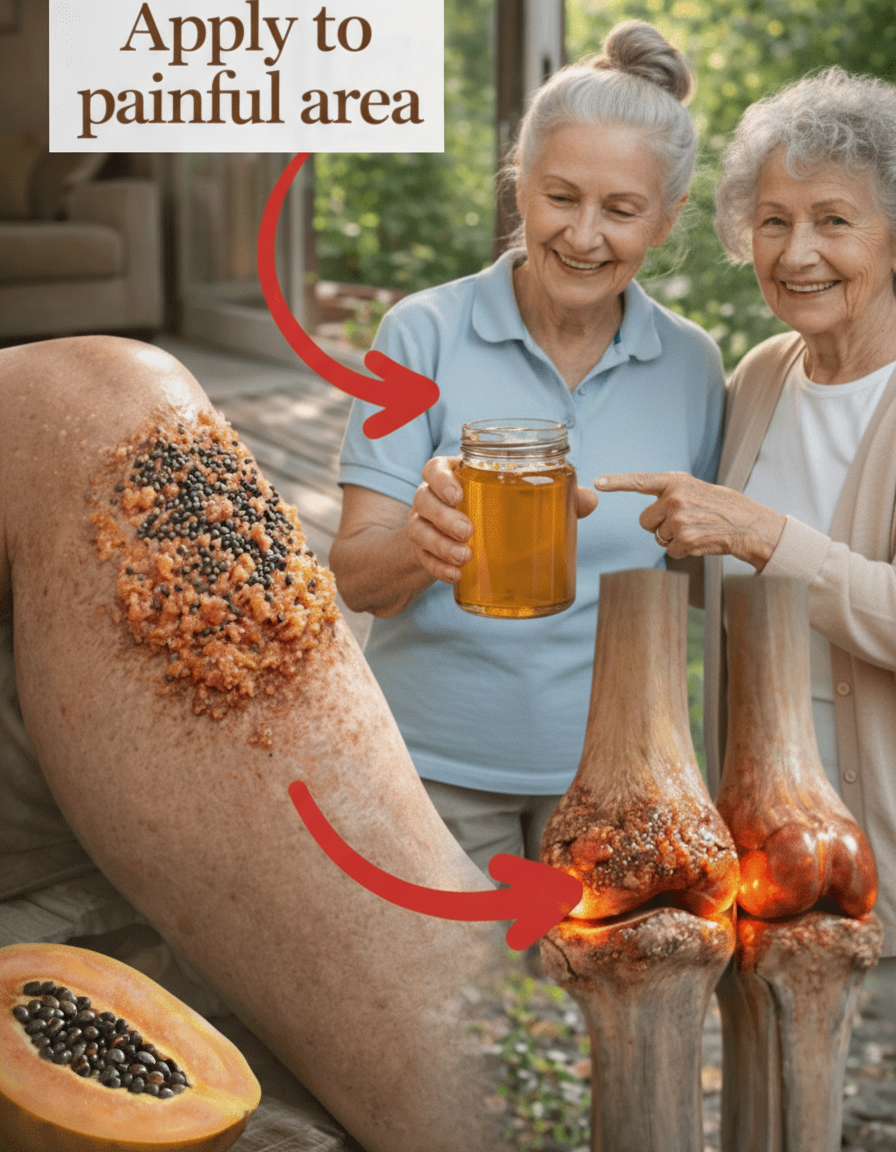
Green Papaya: The Unripe Fruit’s Soothing Role
Unripe, green papaya contains significantly higher concentrations of the enzyme papain compared to its ripe counterpart. In traditional settings, it is frequently grated or blended to create a poultice, which is then applied externally to the skin or areas experiencing discomfort. Studies have highlighted papain’s role in supporting the natural breakdown and renewal of tissues, which explains why unripe papaya has been observed in wound care applications in various regions. One review specifically noted faster healing times in animal models when extracts of unripe fruit were applied topically.
- Enzyme-Rich Powerhouse: The high papain content may gently facilitate natural enzymatic processes on the skin’s surface.
- Beneficial Nutrient Profile: Green papaya also contains vitamins and antioxidants that contribute to broader discussions around skin health and vitality.
- Versatile Preparation: It is often used fresh, either grated or mashed, for direct topical contact.
While ripe papaya is predominantly enjoyed for its sweet flavor, the green version garners particular attention in traditional external applications due to its concentrated bioactive compounds.
Simple Ways People Prepare and Apply These at Home
If you’re considering integrating these methods into a gentle self-care regimen, it’s absolutely essential to perform a patch-test first. The following steps outline common folk-inspired preparations. Please remember, this information is purely for educational purposes. Always consult a healthcare provider before embarking on any new routine, especially if you have sensitive skin, allergies, or underlying health conditions.
Preparing Papaya Seeds for Topical Use:
- Gather Fresh Ingredients: Begin by selecting organic papaya to ensure cleaner seeds and, if desired, green fruit.
- Extract and Clean Seeds: Scoop out the seeds from a ripe papaya. Rinse them thoroughly under running water to remove any jelly-like coating.
- Dry Thoroughly: Spread the cleaned seeds on a tray and dry them in the sun or a low-temperature oven for several days until they are completely crisp and moisture-free. This prevents mold and makes grinding easier.
- Grind into Powder: Once fully dried, grind the seeds using a mortar and pestle or a spice grinder until you achieve a fine powder.
- Form a Paste: Mix the papaya seed powder with a small amount of water, aloe vera gel, or a carrier oil (like coconut or olive oil) to form a thick, manageable paste.
Preparing Green Papaya for Topical Use:
- Clean and Peel: Wash the green papaya thoroughly. Carefully peel off the tough outer skin.
- Grate or Blend: Grate the peeled green papaya using a fine grater, or cut it into small pieces and blend it into a pulp.
- Form a Poultice: You can apply the fresh grated or blended green papaya directly to the skin, or for easier application and removal, spread it onto a clean cloth or gauze to create a poultice.
General Application Tips:
- Patch Test: Before applying to a larger area, test a small amount of the prepared mixture on an inconspicuous patch of skin (e.g., inner forearm) and wait 24 hours to check for any adverse reactions.
- Apply to Discomfort Area: Gently apply the papaya seed paste or green papaya poultice to the desired area.
- Duration: Leave it on for a short period, typically 15-30 minutes, as suggested in some traditional practices.
- Rinse Off: After the desired time, rinse the area thoroughly with lukewarm water.
- Observe: Pay attention to how your skin reacts and discontinue use if any irritation occurs.