 By admin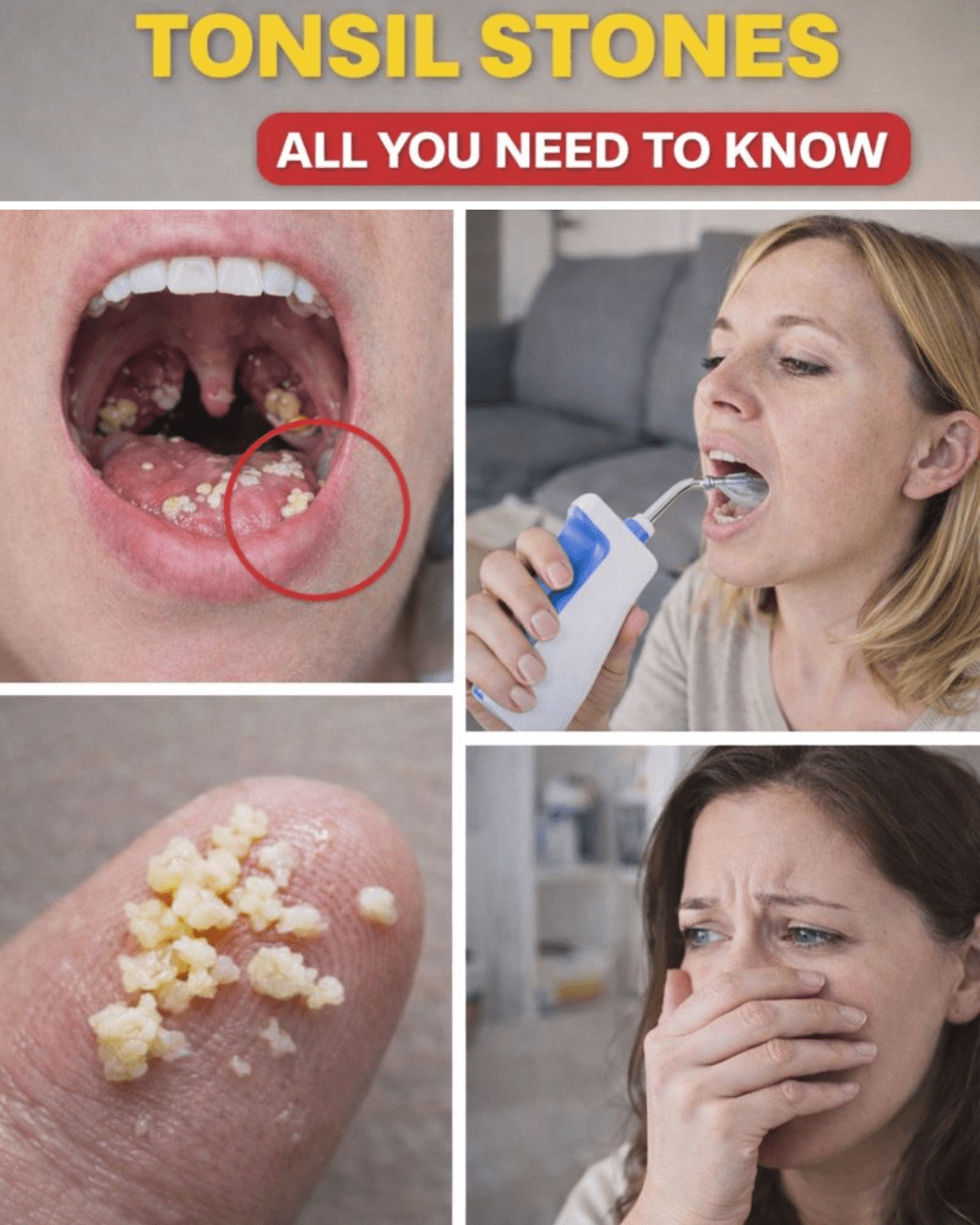
You brush twice a day, floss religiously, and reach for mints before important conversations—yet that persistent foul taste or subtle worry about your breath keeps returning. It’s frustrating when standard oral hygiene seems to fall short, leaving you second-guessing your confidence in close interactions. Many adults face this exact struggle without realizing the source could be small, calcified deposits tucked in the back of the throat. These are tonsil stones, and they often explain why bad breath lingers despite your best efforts. The good news? Practical, everyday adjustments can make a real difference—and the most effective approaches might surprise you.

Why Tonsil Stones Feel So Frustrating (and Personal)
Bad breath from tonsil stones isn’t just about hygiene—it’s deeply tied to self-confidence. It creates hesitation before leaning in during conversations, subtle head turns during meetings, or quiet anxiety in social settings. Research shows that tonsil stones contribute to halitosis in a significant number of cases, with studies linking them to persistent odor from bacterial activity in the throat.
Tonsil stones, or tonsilloliths, form when food particles, dead cells, mucus, and bacteria get trapped in the natural crevices (called crypts) of the tonsils. Over time, this debris hardens, often producing volatile sulfur compounds—the same ones responsible for that distinctive sour or rotten smell. Even with excellent dental care, these can develop because the issue originates in the tonsils, not the teeth or gums.
But here’s the encouraging part: many people manage symptoms effectively with consistent, gentle habits that support natural oral balance.

What Exactly Are Tonsil Stones?
Think of your tonsils as natural filters at the back of your throat, full of small pockets designed to trap harmful particles. Sometimes those pockets collect more than intended: bits of food, shed cells, thick mucus from postnasal drip, and bacteria. When the mixture calcifies, it forms small, white or yellowish lumps—tonsil stones.
Common signs include:
- Persistent bad breath that doesn’t improve with brushing
- A sour or metallic taste in the mouth
- A scratchy or “something stuck” feeling in the throat
- Occasional coughing up of small, hard pieces
- Visible specks on the tonsils (though many go unnoticed)
Studies indicate these formations are quite common, especially in people with deeper tonsil crypts, and they’re usually harmless—but the discomfort and odor they cause can feel anything but minor.

The Real Impact on Daily Life
Imagine mid-conversation when a sudden foul taste hits, or that nagging lump sensation distracts you during a presentation. These moments chip away at ease and presence. The bacteria in tonsil stones produce compounds that contribute to halitosis, and unlike surface-level issues, they require targeted care beyond standard brushing.
The silver lining? Awareness is powerful. Recognizing the source empowers you to focus on strategies that address the root rather than just masking symptoms.
10 Practical Strategies to Help Manage Tonsil Stones
Consistency matters more than intensity. Start with one or two habits that fit your routine, then build from there. Here’s a realistic lineup based on common recommendations from health experts.
- Daily Salt Water Gargles
Mix a half-teaspoon of salt in warm water and gargle for 20-30 seconds after brushing. This simple step can help loosen debris and create a less favorable environment for bacteria. Many report reduced odor and irritation within days. - Stay Well-Hydrated
Adequate water intake keeps saliva flowing, which naturally helps flush the mouth and throat. Aim for steady sips throughout the day—dry mouth can make debris stickier and symptoms worse. - Gentle Tongue Cleaning
Use a soft brush or tongue scraper to clean the back of your tongue daily. Bacteria buildup here can contribute to overall oral odor, and addressing it amplifies other efforts. - Warm Water Rinse in the Morning
Start your day with a gentle warm-water rinse or sip. It can reduce overnight dryness and make subsequent care more effective. - Careful Coughing or Swallowing Techniques
After a warm drink, try gentle, controlled coughing to dislodge small stones naturally. Avoid forceful actions that could irritate tissues. - Manage Postnasal Drip
If allergies or congestion contribute mucus, consider saline nasal rinses or allergen reduction. Less mucus means less material for stones to form from. - Alcohol-Free Mouthwash
Opt for alcohol-free formulas to avoid drying the mouth, which can worsen issues. Use sparingly as a supportive step. - Incorporate Probiotic-Rich Foods
Foods like plain yogurt may help support a balanced oral microbiome, potentially reducing odor-producing bacteria over time. - After-Meal Rinsing
Swish with plain water after eating to clear residue before it settles deeper. - Monitor Diet Triggers
Some notice more mucus or issues with dairy or sugary foods. A short trial of adjustments can reveal personal patterns.

Quick Comparison Table: Common Fixes vs. Better Approaches
| Common Problem | Typical Quick Fix | Why It Often Falls Short | More Helpful Approach |
|---|---|---|---|
| Bad breath spikes | Mints or gum | Masks odor temporarily | Salt gargles + tongue cleaning |
| Throat lump sensation | Lozenges | Soothes but doesn’t address source | Hydration + mucus management |
| Frequent recurrence | Random remedies | Lacks consistency | Habit stacking (2-3 daily steps) |
| Dry mouth contribution | Strong mouthwash | Can increase dryness | Alcohol-free + steady water intake |
When to Seek Professional Guidance
If symptoms persist—frequent stones, significant pain, swelling on one side, recurrent infections, or difficulty swallowing—consult an ENT specialist. They can evaluate properly and discuss options like professional cleaning or, in select cases, procedures to reduce crypt depth.
Professional input brings clarity and prevents unnecessary worry.
Your Simple Starting Plan
Pick one habit tonight—perhaps salt water gargling—and commit for a week. Track how your throat comfort and breath confidence feel. Add another next week. Small, steady changes often yield the biggest shifts.
In 30 days, many notice less hesitation in conversations and more overall ease. It’s not about perfection—it’s about progress and reclaiming comfort.
FAQ
What causes tonsil stones to keep coming back?
They often recur due to deep tonsil crypts, ongoing mucus from allergies or postnasal drip, or inconsistent oral care. Consistent habits like gargling and hydration can help reduce frequency for many.
Can tonsil stones go away on their own?
Small ones sometimes dislodge naturally or reduce with better hygiene and mucus management. Larger or persistent ones may need extra attention.
Are tonsil stones dangerous?
They’re usually harmless and not a sign of serious illness, though they can cause discomfort and bad breath. See a doctor if you experience severe pain, swelling, or infection signs.
This article is for informational purposes only and is not a substitute for professional medical advice. Always consult a healthcare provider for personalized guidance regarding your symptoms or health concerns.