 By admin
 Tonsil Stones: Understanding Their Formation and Link to Persistent Bad Breath
Have you ever experienced that moment of discomfort, perhaps after a mild cough or clearing your throat, when a small, firm, and often off-white or yellowish lump unexpectedly appears? This tiny intruder, often accompanied by an overwhelmingly foul odor that can make you recoil, is likely a tonsil stone. This common yet often embarrassing issue can leave you feeling self-conscious about your breath, even after diligently brushing and using mouthwash. The culprit behind this frustrating and persistent problem is frequently tonsilloliths, or tonsil stones, and gaining an understanding of them is the first step toward finding lasting relief.
What Exactly Are Tonsil Stones (Tonsilloliths)?
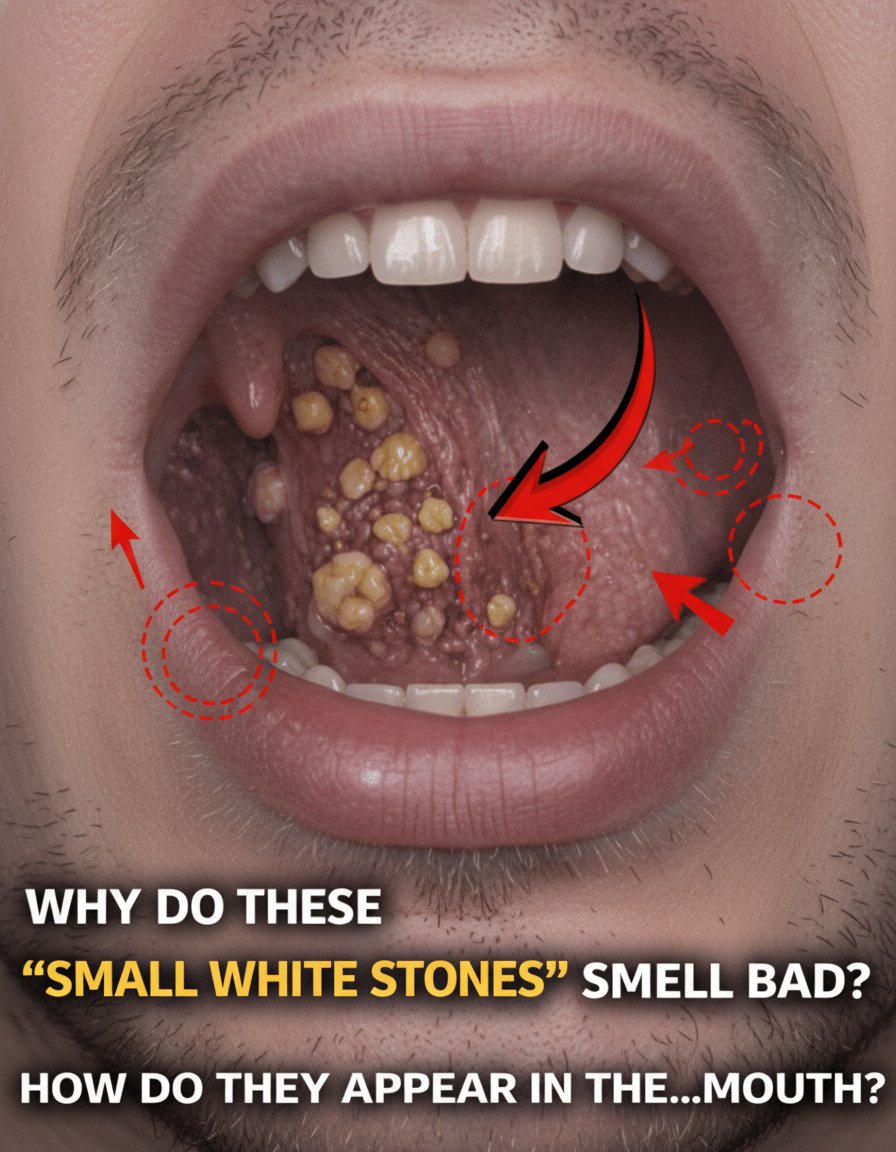
Tonsil stones, medically known as tonsilloliths, are small, calcified formations that develop within the natural folds and crevices (known as crypts) of your tonsils. These stones begin to form when various types of debris—including food particles, dead cells, mucus, and bacteria—become trapped and accumulate in these tonsillar crypts. Over time, minerals present in saliva, such as calcium and magnesium, bind this soft organic material together, causing it to harden into the firm, often visible, tonsil stones.
For many individuals, the presence of tonsil stones leads to ongoing anxiety about bad breath, which can significantly impact social interactions and overall confidence. The problem often feels relentless because standard oral hygiene practices simply cannot reach the deep pockets in the throat where these tonsil stones reside. However, there’s positive news: once you recognize what tonsil stones are, implementing simple lifestyle adjustments can yield substantial improvements. Research indicates that tonsil stones affect up to 10% of the population at some point in their lives, with a higher incidence among those who possess deeper tonsil crypts.
Why Do Tonsil Stones Cause Such Offensive Bad Breath?
The potent and unpleasant odor emanating from tonsil stones stems from the activity of anaerobic bacteria that thrive in the oxygen-deprived environment within these formations. These bacteria break down the trapped organic material, releasing volatile sulfur compounds (VSCs). These are the same malodorous gases responsible for the smell of rotten eggs. Even a single, small tonsil stone can generate breath odor more intense than that caused by strong foods like garlic or coffee, with effects lasting for hours. This phenomenon explains why conventional mouthwash often proves ineffective against tonsil stones: it simply cannot penetrate the deep tonsil crypts where these odor-producing bacteria flourish.
Individuals afflicted with tonsil stones frequently experience embarrassment during close conversations or may even avoid social engagements altogether. A persistent metallic taste or a sensation of throat irritation often accompanies the daily frustration of managing tonsil stones. Studies in oral microbiology consistently confirm that VSCs produced by tonsilloliths are a primary contributor to chronic halitosis that does not respond to routine brushing and flossing.
Key Indicators You Might Have Tonsil Stones
Many people live with tonsil stones for extended periods without even realizing their presence. Here are several common signs and symptoms that could suggest you have tonsilloliths:
- Persistent Bad Breath: Oral malodor that does not resolve with regular brushing, flossing, or mints.
- Unpleasant Taste: A foul or metallic taste, often originating from the back of the throat.
- Foreign Body Sensation: A feeling that something is lodged or stuck in your throat.
- Visible Spots: Small white or yellowish specks discernible on or around your tonsils.
- Ear Pain: Discomfort in the ear without an underlying ear infection, due to shared nerve pathways.
- Recurrent Sore Throats: Frequent episodes of mild throat irritation or soreness.
- Coughing Up Lumps: Occasionally expelling small, hard, and often foul-smelling particles.
- Chronic Throat Clearing: A constant urge to clear your throat or minor difficulty swallowing.
If several of these indicators resonate with your experience, tonsil stones could very well be the underlying cause of your discomfort and self-consciousness.
Factors Increasing Your Risk of Developing Tonsil Stones
While anyone can develop tonsil stones, certain predispositions and conditions can increase your likelihood:
- Tonsil Anatomy: Individuals with naturally large tonsils or those possessing deep, numerous tonsillar crypts (crevices) are more susceptible.
- Age Group: Teenagers and young adults often experience higher rates, as tonsil activity tends to be more pronounced during these years.
- Chronic Post-Nasal Drip: Conditions like allergies or sinus issues leading to persistent post-nasal drip can provide a continuous source of mucus for stone formation.
- History of Tonsillitis: Those who experienced frequent tonsillitis during childhood may have more pronounced tonsillar crypts.
- Dry Mouth: Insufficient saliva production can contribute to the accumulation and hardening of debris.
It is crucial to understand that tonsil stones are generally not a reflection of poor oral hygiene. Instead, anatomical factors and the immune system’s activity play significant roles. Many individuals who maintain excellent oral hygiene still contend with tonsil stones purely due to their unique tonsil structure.
Safe and Effective Home Management Strategies for Tonsil Stones
Fortunately, many individuals find success in reducing the occurrence of tonsil stones and alleviating associated symptoms through consistent, gentle daily practices. Here are some widely effective strategies:
- Warm Salt Water Gargles: Vigorously gargle with warm salt water every evening. This helps to dislodge trapped debris and reduces bacterial populations in the throat.
- Maintain Hydration: Drinking plenty of water throughout the day helps prevent dry mouth, an environment conducive to tonsil stone formation.
- Low-Pressure Water Irrigation: Gently direct a low-pressure water irrigator (like a dental water flosser on its lowest setting) near, but never directly into, the tonsils to help flush out debris.
- Daily Tongue Scraping: Incorporate daily tongue scraping into your oral hygiene routine to remove bacteria that can contribute to overall oral malodor and potentially to tonsil stone formation.
- Nasal Rinsing: If post-nasal drip is a known trigger for you, regular nasal rinsing with a saline solution can help reduce mucus accumulation.
Consistency is paramount for these methods. Many users report a noticeable reduction in tonsil stones and a significant improvement in breath freshness within just a week of adopting a regular routine. For visible tonsil stones, some individuals gently attempt to remove them with a clean cotton swab, but extreme caution is advised. Never apply excessive force, as this risks irritation or injury to the delicate tonsil tissue.
A Popular Natural Throat Spray Recipe
Many individuals find a homemade throat spray beneficial for loosening tonsil stones and refreshing the throat area. Here’s a simple recipe:
- Combine 200 ml (approximately 7 fl oz) of warm water.
- Stir in 1 teaspoon of table salt until dissolved.
- Optionally, add 3–4 drops of food-grade peppermint essential oil or grapefruit seed extract for added freshness and antimicrobial properties.
Lightly spray this solution towards the back of your throat 3–4 times daily. Anecdotal reports suggest that this spray can help soften tonsil stones, making them easier to dislodge naturally.