 By admin
 Have you ever found yourself battling persistent bad breath that seems immune to brushing or mouthwash? Or perhaps an irritating sensation deep in your throat makes swallowing uncomfortable and social interactions awkward? These frustrating issues can quietly undermine your confidence, especially when their cause remains a mystery. Many individuals experience these problems without realizing that tonsil stones—small, hardened deposits within the tonsils—could be the culprit. While common and generally harmless, tonsil stones can certainly lead to discomfort and self-consciousness. The encouraging news? Most cases are manageable with gentle methods right at home. Join me as we explore exactly what tonsil stones are, how to identify them, and simple, safe strategies to address them effectively.
What Exactly Are Tonsil Stones?
Tonsil stones, medically termed tonsilloliths, develop when a mixture of food particles, dead cells, mucus, and bacteria becomes trapped in the natural indentations (crypts) found on your tonsils. Over time, this accumulated debris can solidify or calcify into distinct small white or yellowish formations. These tonsilloliths vary in size, ranging from tiny, almost invisible specks to larger deposits comparable to a pea. They frequently remain hidden deep within the tonsil folds, making them easy to overlook. Although tonsil stones themselves are not an infection, the bacteria they harbor can emit an unpleasant odor, significantly impacting your breath. The embarrassment associated with concerns about bad breath or throat irritation is very real, but gaining a clear understanding of tonsil stones is the essential first step toward feeling more at ease.
Why Tonsil Stones Can Affect Your Daily Comfort
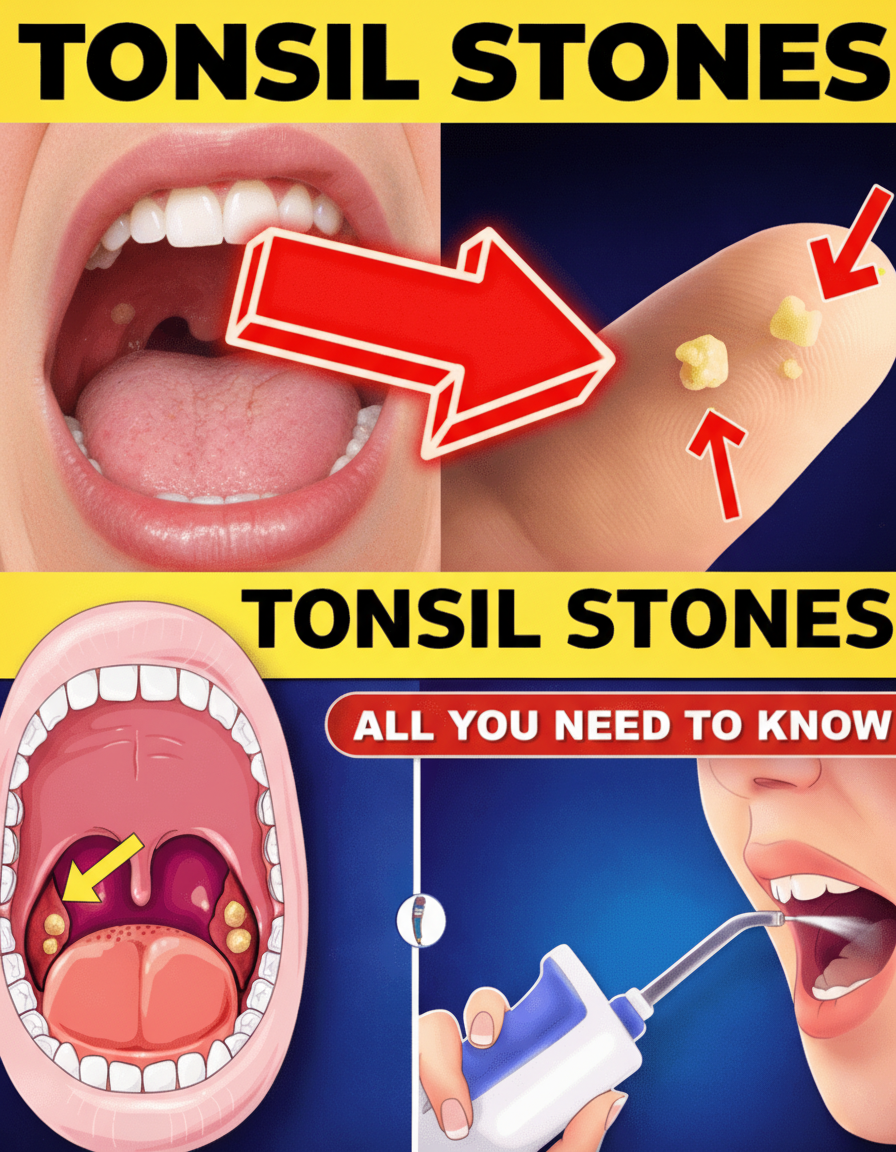
Tonsil stones are more prevalent than many people realize, particularly among adults with naturally deeper tonsil crypts or those who frequently experience post-nasal drip. According to ear, nose, and throat (ENT) specialists, these deposits can be a contributing factor to persistent bad breath in certain individuals. While tonsil stones are rarely a serious health threat, neglecting them can lead to ongoing throat discomfort, mild localized inflammation, or a larger accumulation over time. The constant awareness of a “foreign object” sensation can detract from the enjoyment of meals and social occasions. Fortunately, tonsil stones often respond well to careful home care, helping many regain a sense of freshness and comfort. What’s your primary concern—lingering bad breath or that persistent throat irritation? Continue reading to discover the clear indicators that tonsil stones might be present.
10 Common Signs You Might Have Tonsil Stones
- 🔍 Sign #10: Persistent Throat Tickle or Irritation
That incessant scratchy or itchy sensation deep in your throat, which no amount of coughing or lozenges seems to alleviate, can be an early indicator. Tonsil stones can irritate nearby nerve endings, causing a feeling often described as having “something stuck.” This subtle yet bothersome annoyance can gradually worsen, impacting your comfort when speaking or swallowing. - 🔍 Sign #9: Bad Breath That Doesn’t Go Away
Even with diligent oral hygiene practices, a stubborn, sulfur-like odor may persist. Tonsil stones create an anaerobic environment where bacteria thrive, releasing volatile sulfur compounds—frequently the hidden source behind breath concerns that mints or mouthwash cannot truly mask. - 🔍 Sign #8: Unexplained Ear Pain
Unexpected ear discomfort without any apparent infection can be another potential sign. Tonsil stones are capable of referring pain along shared neural pathways, leading to an ache that often puzzles individuals until they examine their tonsils. - 🔍 Sign #7: Mild Difficulty Swallowing
A sensation that food momentarily catches, or that swallowing requires additional effort, can suggest the presence of tonsil stones. Larger deposits might subtly impede the throat, making meals feel less smooth or comfortable. - 🔍 Sign #6: Visible White or Yellow Spots on Tonsils
Shining a flashlight into your mouth and observing in a mirror often reveals the most classic symptom: small white or yellowish flecks embedded within the tonsil craters. Many people first become aware of tonsil stones this way. - 🔍 Sign #5: Metallic or Unusual Taste
A lingering strange or metallic taste, particularly after eating, can occur when tonsil stones release their breakdown products. This subtle alteration in taste can diminish the enjoyment of your favorite foods. - 🔍 Sign #4: Occasionally Coughing Up Small Lumps
Expelling a small, chalky, and often foul-smelling fragment while coughing or clearing your throat is a distinct telltale experience. Tonsil stones sometimes dislodge naturally, frequently surprising those who were unaware of their presence. - 🔍 Sign #3: Sore Throat Without Other Cold Symptoms
An isolated raw or irritated throat, without accompanying fever or body aches, might indicate tonsil stones causing local inflammation. This specific discomfort can appear and subside unpredictably. - 🔍 Sign #2: Swollen or Tender Tonsils
One or both tonsils might appear slightly enlarged or feel sensitive to the touch. Tonsil stones can trigger a mild immune response, leading to noticeable swelling and tenderness. - 🔍 Sign #1: A Combination of Symptoms Affecting Confidence
Ultimately, it’s often the cumulative effect of several of these symptoms—like persistent bad breath, throat irritation, and the general awareness of something being amiss—that truly impacts one’s self-assurance. When these issues combine, they can significantly affect social interactions and overall comfort, highlighting the importance of addressing tonsil stone home removal.